


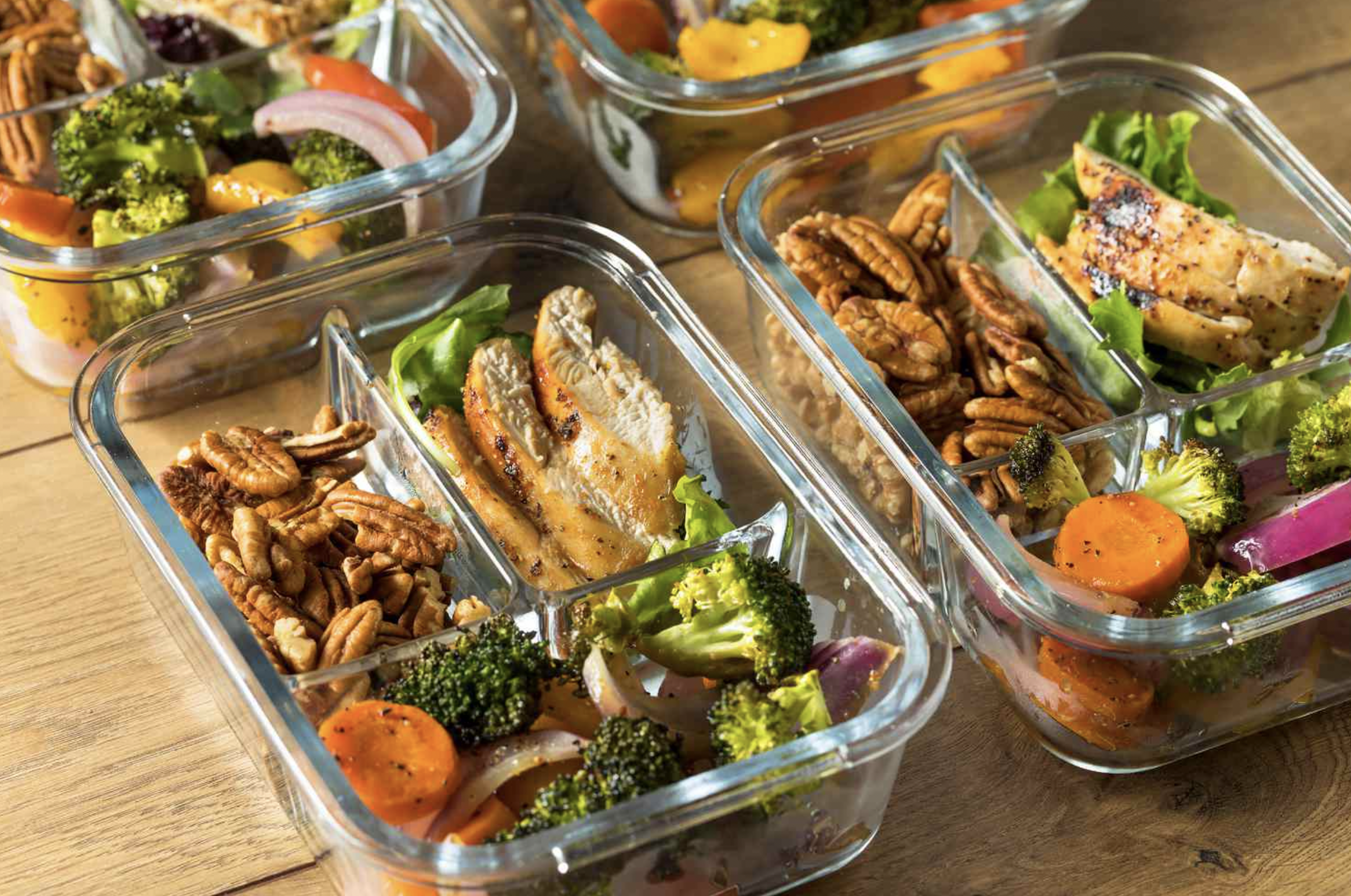
Weeknights have a way of falling apart the moment hunger shows up before a plan does. Meal prepping is the fix that most home cooks reach for eventually, not because it is trendy, but because it turns five or six small decisions into one longer session that happens on a day when you have real bandwidth.
Done well, a week of prepped meals means fewer dishes piling up, less food wasted, and a lot less takeout ordered out of sheer exhaustion. Done poorly, it means a fridge full of sad containers nobody wants to open by Thursday. The difference almost always comes down to system, not skill, and that system is what this guide walks through from the ground up.
Building a Weekly Prep Routine That Sticks
The biggest reason meal prep fails isn’t bad recipes, it’s a routine that asks too much of a person who already has a full week ahead of them. A routine that sticks starts small and treats the first few weeks as a test run rather than a lifestyle overhaul.
Pick one day that is reliably free, even if it’s only ninety minutes, and anchor your prep to that slot the way you would a recurring appointment. Sunday afternoon works for a lot of households, but a quiet Monday evening or even a Wednesday night reset can work just as well if that’s when your schedule opens up for real. The anchor matters more than the specific day.
From there, break the session into three phases: shopping, prepping, and packing. Trying to do all three in one unbroken block is where people burn out, especially in the first month. Separating grocery shopping from the cooking itself, even by just an hour, gives you a mental reset and keeps the kitchen from feeling like a marathon.
Starting With a Realistic Scope
New preppers tend to plan seven breakfasts, seven lunches, and seven dinners from scratch, then quit by week two. A more sustainable starting point is prepping four or five lunches and three or four dinners, leaving a couple of nights open for leftovers, a quick throw-together meal, or eating out without guilt.
Building in Room for a Changed Schedule
Life rarely cooperates with a tidy seven-day plan, and a routine that can’t bend around a canceled dinner plan or an unexpected late night at work tends to collapse the first time something shifts. Leaving one or two meal slots intentionally open, rather than scheduling every single bite of the week, gives the plan somewhere to absorb the inevitable surprise.
A prepped lunch that goes uneaten on a Tuesday because plans changed isn’t a failure if there was already room built in for it to simply roll over to Wednesday instead. Treating the weekly plan as a loose framework rather than a locked schedule is often what separates people who keep meal prepping for years from people who quit after a single disrupted week.
Choosing the Right Containers and Tools
Containers are the unglamorous backbone of a prep routine, and the wrong ones will sabotage even a perfectly planned menu. Glass containers that go from fridge to microwave to dishwasher without drama tend to outlast plastic ones that stain, warp, or hold onto odors after a few uses.
- Glass containers with locking lids: these handle reheating without leaching anything into your food and resist staining from tomato-based sauces.
- Divided compartment trays: useful for portion control and for keeping sauces or wet ingredients separate from grains until you’re ready to eat.
- Mason jars: ideal for layered salads, overnight oats, or soups, since the shape keeps dressing away from greens until the lid comes off.
- Freezer-safe bags: flat-packed and labeled, these save enormous amounts of space for soups, stews, and marinated proteins.
- A reliable set of sharp knives: cutting through a week’s worth of vegetables with a dull blade is the fastest way to make prep feel like a chore.
A permanent marker and some masking tape for labeling dates might be the cheapest tools on this list, and they’re also the ones that prevent the most waste, since a container without a date is a container that gets forgotten.
Matching Container Size to Real Portions
A common container mistake has nothing to do with material or shape and everything to do with size. Buying a single uniform container for every meal means either overpacking a small lunch or cramming a hearty dinner into something too shallow to hold it without spilling on the drive home.
A mixed set, with a few smaller containers for snacks or sides and a few larger ones for full dinners, fits the actual range of meals most people prep rather than forcing every dish into the same mold. It also makes the fridge easier to pack efficiently, since mismatched sizes tend to leave awkward gaps that smaller, uniform shapes can fill instead.
Planning a Menu With Variety Built In
Eating the same chicken and rice bowl five days running is a fast route to abandoning the whole project. Variety doesn’t require five completely different recipes; it requires a base that can be dressed differently each day. Think in terms of categories rather than fixed meals, then mix and match across the week:
- A grain base: rice, quinoa, farro, or roasted potatoes that can anchor almost any bowl or plate.
- A protein: baked chicken thighs, seasoned ground turkey, baked tofu, or a pot of lentils that reheats cleanly.
- Two vegetables with different textures: something roasted, like broccoli or carrots, paired with something raw or quick-pickled for crunch.
- A sauce or dressing: made separately and stored on the side so it doesn’t turn everything soggy by midweek.
- A flavor swap: the same grain-protein-vegetable combination can taste completely different with a swap from a lime-cumin dressing to a soy-ginger one.
This approach lets you cook three or four components once and recombine them into meals that don’t feel repetitive, even though the shopping list and the cooking time barely change.
Prepping for a Household With Mixed Dietary Needs
Prepping shared base components, like a grain, a vegetable, and a neutral protein, then letting each person customize with their own sauce, topping, or substitution, is usually easier than cooking entirely separate meals for each person. A household with one vegetarian and several meat-eaters, for example, can share the same roasted vegetables and grain while swapping in tofu or lentils for one portion and chicken for the rest, keeping the shopping list and cooking time close to what a single-diet household would need.
This same approach works for allergies, kids with picky preferences, or anyone cutting back on a specific ingredient, since the shared base absorbs most of the cooking effort while the customization happens in the final few minutes of assembly.
Pulling Recipes From What’s Already in Season
Menus built around whatever produce is in season tend to taste better and cost less than menus assembled from a rigid recipe list chosen months in advance. Grocery stores typically mark down seasonal produce, and a quick glance at what’s abundant and cheap that week can shape the vegetable half of the plan before anything else is decided.
This also naturally builds rotation into the routine, since a summer plan built around zucchini and corn will look nothing like a winter plan built around squash and root vegetables, which keeps the weekly menu from ever feeling like it’s stuck on repeat for months at a time.
Cooking in Batches Without Losing a Saturday
Efficient batch cooking is about sequencing, not speed. The goal is to have the oven, the stovetop, and maybe a slow cooker all working at once instead of one after another.
- Start the oven first: roasting vegetables or baking a tray of chicken takes the longest and needs the least hands-on attention, so get it going before anything else.
- Use the stovetop for grains and sauces: rice or quinoa can simmer unattended while you chop vegetables for the next step.
- Prep raw ingredients while things cook: wash and chop produce for the following week while the oven and stovetop are occupied.
- Clean as you go: a sink full of dishes at the end is what makes people dread the next prep session, so rinse bowls and cutting boards between tasks.
A two-hour session using this layered approach can produce four to six meals’ worth of components, which is substantially more than cooking one dish at a time would allow in the same window.
A slow cooker or a pressure cooker can run a third track alongside the oven and stovetop, handling something like a pot of beans, a batch of pulled chicken, or a simmered sauce with almost no attention required beyond an initial setup.
This third track is where a lot of the real time savings come from, since it lets one component cook for ninety minutes without occupying a single burner or oven rack that the rest of the menu needs. Households without a slow cooker or pressure cooker can approximate the same effect with a covered pot on the back burner over low heat, checked only occasionally while everything else moves forward.
Storing and Reheating Meals Safely
Food safety is where meal prep can quietly go wrong, especially with proteins and sauces that sit in the fridge for days. Cooked food should cool to room temperature within about two hours before it goes into the fridge, since leaving hot containers to cool slowly on the counter gives bacteria a longer window to grow.
- Refrigerate for three to four days: most cooked proteins, grains, and vegetables hold their quality and safety within this window.
- Freeze anything you won’t eat within four days: soups, stews, and marinated raw proteins all freeze well and buy you another month or more.
- Store sauces and dressings separately: this keeps salads and grain bowls from turning mushy before you’re ready to eat them.
- Reheat to a safe internal temperature: proteins should reach 165 degrees Fahrenheit when reheated, and a food thermometer removes the guesswork.
Labeling each container with the date it was cooked turns the “is this still good” guessing game into a quick glance at a piece of tape.
Reading Your Fridge’s Hot and Cold Zones
Not every shelf in a refrigerator holds the same temperature, and knowing which spots run coldest helps protect the meals that need it most. The back of the bottom shelf tends to stay the coldest and most consistent, making it the best spot for proteins and anything prepped early in the week, while door shelves swing in temperature every time the door opens and are better reserved for condiments and items with a longer shelf life on their own.
Packing prepped meals toward the back and center of the fridge, rather than the front where they’re first to feel a warm kitchen or a frequently opened door, adds an extra layer of protection beyond the container itself.
Avoiding the Mistakes That Derail Meal Prep
Even organized people fall into predictable traps, and recognizing them ahead of time makes them easier to sidestep.
- Overestimating portions: cooking family-sized batches for one or two people leads to waste, so scale recipes to your actual household size.
- Ignoring texture changes: some foods, like fried items or delicate greens, don’t hold up well after a few days in the fridge, so save those for fresh meals instead.
- Skipping the taste test: seasoning tends to mellow after refrigeration, so a dish that tasted perfect fresh might need a dash more salt or acid once reheated.
- Forgetting variety in color and texture: an all-beige meal of chicken and rice gets old fast, even if the flavors are good.
- Prepping meals you don’t like eating four days in a row: enthusiasm for a recipe on cooking day doesn’t guarantee enthusiasm by Thursday lunch.
Building in a short review at the end of each week, even just a mental note of what got eaten and what got tossed, helps the next week’s plan improve on its own. Mental fatigue is a quieter mistake that rarely gets named directly.
Deciding what to cook, how much to make, and how to combine ingredients requires real decision-making energy, and trying to make all of those calls fresh every single week eventually wears a person down even if the cooking itself goes smoothly. Keeping a running list of four or five combinations that have worked well in the past, and rotating through them instead of reinventing the plan from scratch each time, removes a surprising amount of that weekly friction.
Final Thoughts
Meal prepping works best when it’s treated as a flexible system rather than a rigid set of rules. Start with a scope you can realistically manage, invest in containers that make reheating and storage simple, and build menus around interchangeable components instead of fixed recipes. Food safety habits like cooling food properly and labeling dates will save you from waste and worry, while a little attention to where things sit in the fridge adds one more layer of protection.
Most importantly, let the plan evolve based on what you enjoy eating by the fourth day, not just what looked appealing on prep day, and give yourself permission to repeat combinations that already work rather than reinventing the menu from scratch every single week. A realistic, adaptable routine will outlast an ambitious one every time, and that staying power is the entire point of prepping in the first place.
Frequently Asked Questions
How long does meal prepped food last in the fridge?
Most cooked meals stay safe and tasty for three to four days when stored properly in airtight containers. After that window, quality drops and the risk of spoilage rises, so anything you won’t eat by day four is better off in the freezer. Dishes with a lot of moisture, like soups and stews, often hold up a little longer than dry proteins or rice, which tend to dry out or turn gummy sooner.
Can I meal prep if I only have a microwave at work?
Yes, and it’s one of the most common setups people prep around. Favor dishes that reheat evenly in a microwave, like grain bowls, soups, and casseroles, and avoid anything breaded or fried, since those textures suffer the most without an oven.
Is it cheaper to meal prep than to buy groceries day by day?
Generally yes, because buying in bulk and cooking in batches reduces both food waste and the temptation to order takeout on busy nights. The savings grow the more consistently you stick with the routine, since one-off grocery runs tend to cost more per meal, and a single takeout order on a busy night can easily cost more than an entire day’s worth of prepped meals combined.
What’s the best way to prep if I don’t like eating leftovers?
Cook components rather than finished meals. Roast a protein, cook a grain, and prepare vegetables separately, then assemble them fresh each day with a different sauce or seasoning so it feels less like reheated leftovers and more like a new meal.
How many containers do I need to get started?
Somewhere between eight and twelve mid-size containers covers most single-person or two-person households for a full week of lunches and dinners. You can always add more once you know which sizes and shapes fit your actual meals.
Should I prep breakfast too, or just focus on lunch and dinner?
Breakfast is often the easiest meal to prep, since things like overnight oats, egg muffins, and yogurt parfaits hold up well for four to five days. Starting with breakfast prep is a low-effort way to build the habit before tackling full lunches and dinners, and the quick morning win it provides can build confidence before moving on to more involved batch-cooked meals later in the week.
