


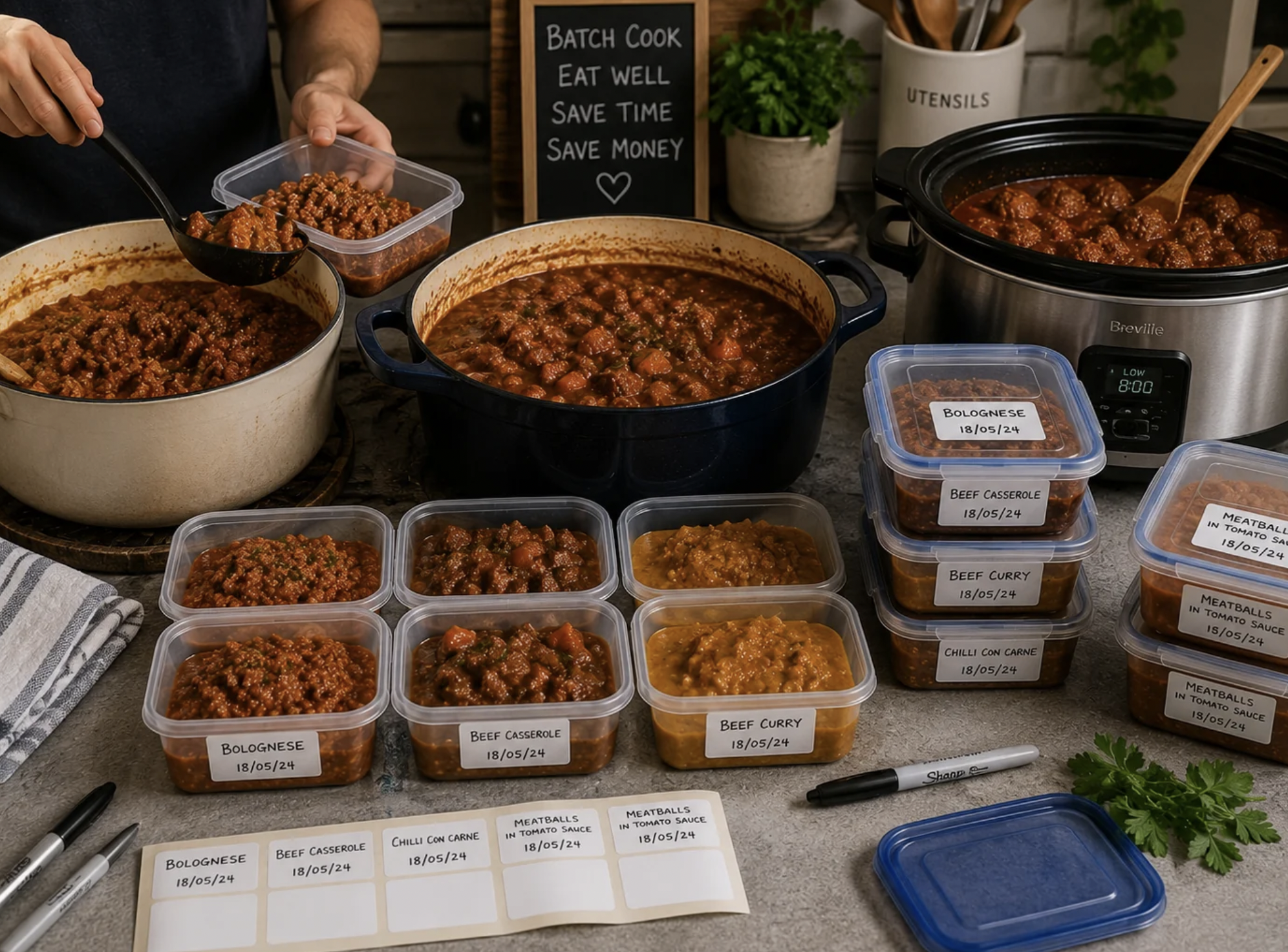
There’s a particular kind of relief in opening the freezer on a chaotic weeknight and finding a fully cooked meal waiting, ready to go in twenty minutes instead of the hour or more a dinner started from scratch would need. Freezer cooking makes that possible, but it only really works if the meals chosen, packed, and labeled are the kind that hold up well after weeks sitting in the cold.
Some dishes freeze beautifully and taste nearly identical once reheated; others turn watery, grainy, or just plain disappointing by the time they make it back to the table. The difference comes down to ingredient choice, packing technique, and a little bit of planning before the cooking even gets started.
Choosing Recipes That Hold Up in the Freezer
Not every dish is a good candidate for the freezer, and picking the wrong ones is the fastest way to end up with a freezer full of meals nobody wants to eat, defeating the entire purpose of spending a weekend cooking in the first place.
Dishes with a high liquid or sauce content, like stews, soups, chilis, and braises, tend to freeze and reheat the most reliably, since the moisture protects the texture of the other ingredients.
Dishes That Hold Up Well
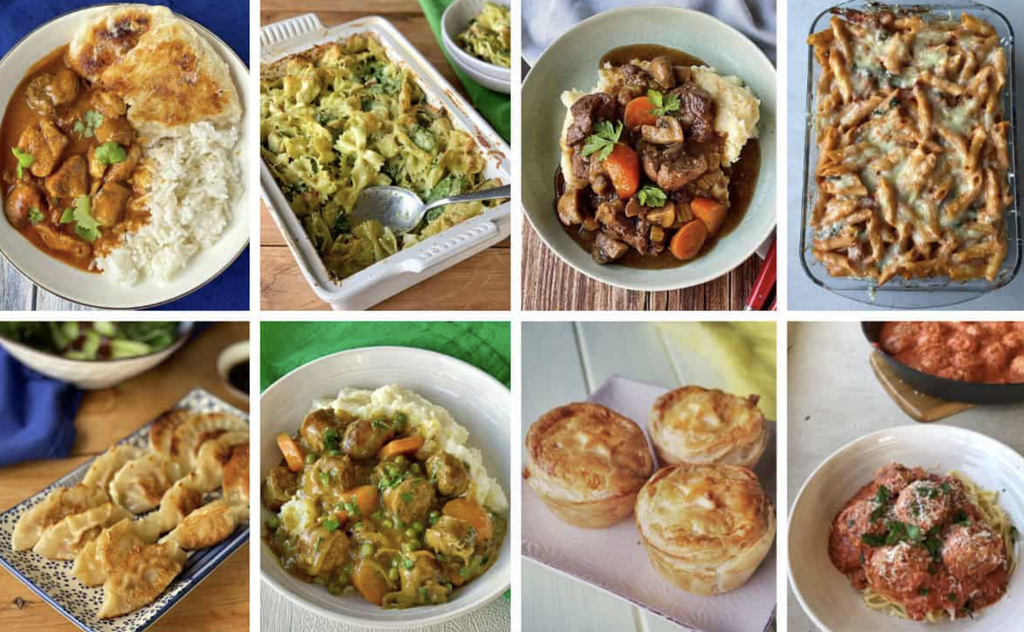
Casseroles, meatballs, cooked ground meat dishes, and marinated raw proteins all freeze with minimal quality loss and reheat close to how they tasted on the day they were made. Baked goods like muffins, bread, and some pastries also freeze well when wrapped properly.
Dishes to Avoid Freezing
Fried foods lose their crispness entirely and turn soggy once thawed. Dishes with a dairy-based cream sauce can separate and turn grainy, and raw vegetables with high water content, like lettuce, cucumber, or whole potatoes, break down into a mushy texture that’s unpleasant once thawed.
Adjusting Recipes That Sit Between the Two Categories
Some dishes aren’t firmly in either camp, and a small adjustment can move them from the “avoid” list to the “hold up well” list. A cream-based soup, for example, often freezes fine if the dairy is swapped for a splash of coconut milk or added fresh after reheating rather than during the original cooking.
A stir-fry with crisp vegetables can be frozen successfully if the vegetables are blanched and slightly undercooked first, since fully cooked vegetables lose far more structure in the freezer than ones with a bit of bite left in them. Thinking through which specific ingredient is causing the problem, rather than writing off an entire dish, often rescues a recipe that would otherwise be left off the freezer rotation entirely.
Prepping Ingredients for Maximum Freezer Success
Small adjustments during the cooking process make a noticeable difference in how well a meal holds up in the freezer and how close it tastes to fresh once it’s finally reheated weeks later.
- Undercook pasta and rice slightly: these continue to soften during reheating, so cooking them just short of fully done prevents mushiness later.
- Cool food completely before freezing: packing hot food directly into the freezer raises the temperature of everything around it and encourages ice crystals.
- Add fresh herbs after reheating, not before freezing: delicate herbs lose flavor and turn dark during frozen storage, so holding them back preserves brightness.
- Slightly underseason dishes meant for the freezer: flavors can intensify over frozen storage, so a lighter hand with salt and spice at cooking time leaves room to adjust later.
- Portion meals before freezing, not after: pre-dividing into single or family-sized portions means you only thaw exactly what you need.
Choosing the Right Cut and Cook Method for Freezer Success
Not every cooking method produces a dish that holds up equally well. Braising and slow-cooking tend to break down tougher cuts of meat in a way that only improves after a stint in the freezer, since reheating continues to tenderize connective tissue in a way that works in the dish’s favor.
Quick-seared or grilled meats, on the other hand, can turn noticeably tougher after freezing and reheating, since the fast, high-heat cooking method that made them tender the first time doesn’t hold up through a second round of heat. Choosing recipes built around a slow-cook or braise, rather than a quick sear, tends to produce more reliable results across the whole freezer rotation.
Batching Sauces and Bases Separately From the Rest of a Dish
Freezing a sauce or flavor base on its own, separate from the protein or vegetables it will eventually accompany, adds a surprising amount of flexibility to a freezer stock. A single batch of tomato sauce, pesto, or a curry base can be portioned into smaller containers and paired with whatever protein or grain happens to be on hand that week, rather than being locked into one specific combination decided weeks earlier.
This approach also means defrosting only the specific component needed for a given meal rather than an entire pre-assembled dish, which can help portion control and reduce waste from thawing more than necessary.
Packing and Labeling for Long-Term Storage
How a meal is packed matters nearly as much as what was cooked and goes into it in the first place. Air exposure is the main enemy of frozen food quality, causing freezer burn that dries out and discolors anything left improperly sealed.
- Use flat, freezer-safe bags: laying bags flat to freeze saves significant space and allows for faster, more even thawing later.
- Remove as much air as possible before sealing: pressing out excess air, or using a vacuum sealer if available, dramatically slows freezer burn.
- Label with the dish name, date, and reheating instructions: a label written at the time of freezing saves time and guesswork weeks later.
- Use rigid containers for liquid-heavy dishes: soups and stews expand as they freeze, so leaving headspace in a rigid container prevents cracking or overflow.
- Freeze in a single layer before stacking: this keeps portions from fusing into one giant block that’s hard to separate later.
Choosing Between Glass, Plastic, and Bags for Different Dishes
The right container isn’t the same for every dish. Rigid glass containers handle reheating directly in the oven without worry, but take up more freezer space and run the risk of cracking if filled too close to the top before expansion.
Freezer bags save space and are ideal for anything that will be thawed and transferred to a pot or pan rather than reheated in the container itself, though they’re a poor fit for delicate items that could get crushed under other frozen items stacked on top. Matching the container to how the dish will really be reheated, rather than defaulting to whatever’s on hand, avoids a mismatch that shows up only once you’re trying to get dinner on the table.
Building a Rotation So Nothing Gets Forgotten
A freezer stocked with meals is only useful if those meals get eaten before quality declines, which means building a simple system to track what’s inside.
Keeping a running list, whether on paper taped to the freezer door or in a simple notes app on a phone, of what’s stored and when it was frozen prevents the all-too-common problem of forgotten containers buried way at the very back.
Most cooked freezer meals are best used within two to three months for the best taste and texture, even though they often remain technically safe to eat well beyond that window if stored at a steady temperature.
Organizing the Freezer Itself
Grouping meals by type, like soups on one shelf and casseroles on another, makes it far easier to find what you’re in the mood for without digging through everything else. A first-in, first-out approach, moving newer items to the back and older ones to the front, keeps the rotation moving naturally.
Keeping an Inventory Sheet Taped to the Freezer Door
A running inventory, even a simple handwritten list taped to the outside of the freezer, removes the guesswork of opening the door and scanning through frosted-over containers trying to identify what’s inside each one. Each time something goes in or comes out, crossing it off or adding a new line keeps the list honest, and a quick glance before writing a grocery list can reveal a freezer already stocked with what would otherwise be bought again.
This small bit of friction, writing it down at the moment of freezing rather than trying to remember later, is often the single biggest factor separating a freezer that gets used efficiently from one that quietly fills with forgotten containers. A few simple habits keep the inventory and rotation working together without much ongoing effort:
- Update the list the moment something goes in or out: waiting until later almost guarantees the list falls out of sync with what sits in the freezer.
- Review the list before every grocery trip: this catches ingredients already on hand before they’re bought again unnecessarily.
- Flag anything approaching the two-to-three-month mark: a small star or note next to older items prompts using them before quality declines.
- Do a quick physical count once a season: matching the written list against what really sits in the freezer catches any drift between the two.
Planning Meals Around What’s Already Frozen
Before planning a new week’s dinners from scratch, a quick check of the freezer inventory can reveal two or three meals that are already done and simply waiting to be thawed. Building the week’s plan around these existing meals first, then filling in the remaining nights with fresh cooking or a new freezer batch, keeps the rotation moving and prevents older containers from sitting forgotten at the back for months while newer ones get used first simply because they’re easier to spot.
Reheating Frozen Meals Without Losing Quality
The final step is where a lot of good freezer prep can go wrong if rushed. Thawing in the refrigerator overnight before reheating produces the most even results, since rapid reheating from fully frozen tends to overcook the edges while the center stays cold.
- Thaw overnight in the fridge when possible: this is the gentlest method and preserves texture best across almost every dish type.
- Reheat soups and stews on the stovetop over low heat: slow, even heat prevents scorching and keeps the texture closer to fresh.
- Add a splash of liquid when reheating: broth, water, or milk restores moisture lost during freezing, especially in sauces and grain dishes.
- Use the oven for casseroles: covered, low-temperature reheating in the oven keeps casseroles from drying out the way a microwave sometimes can.
- Reheat to a safe internal temperature: proteins should reach 165 degrees Fahrenheit throughout, which a food thermometer confirms quickly and reliably.
Reviving Texture That’s Lost a Bit of Its Edge
Even dishes that freeze well can come out of reheating slightly flatter in flavor or texture than they were fresh, and a few small finishing touches close most of that gap. A squeeze of fresh lemon or a sprinkle of fresh herbs added right before serving brightens a dish that tasted slightly muted after freezing.
A quick pass under the broiler for the last minute or two can restore a bit of browning and crisp texture to the top of a casserole that came out of the oven looking a little pale. These finishing touches take less than a minute but make a real difference in how close a reheated freezer meal tastes to one made fresh that same night.
Planning a Freezer Cooking Session That’s Worth the Effort
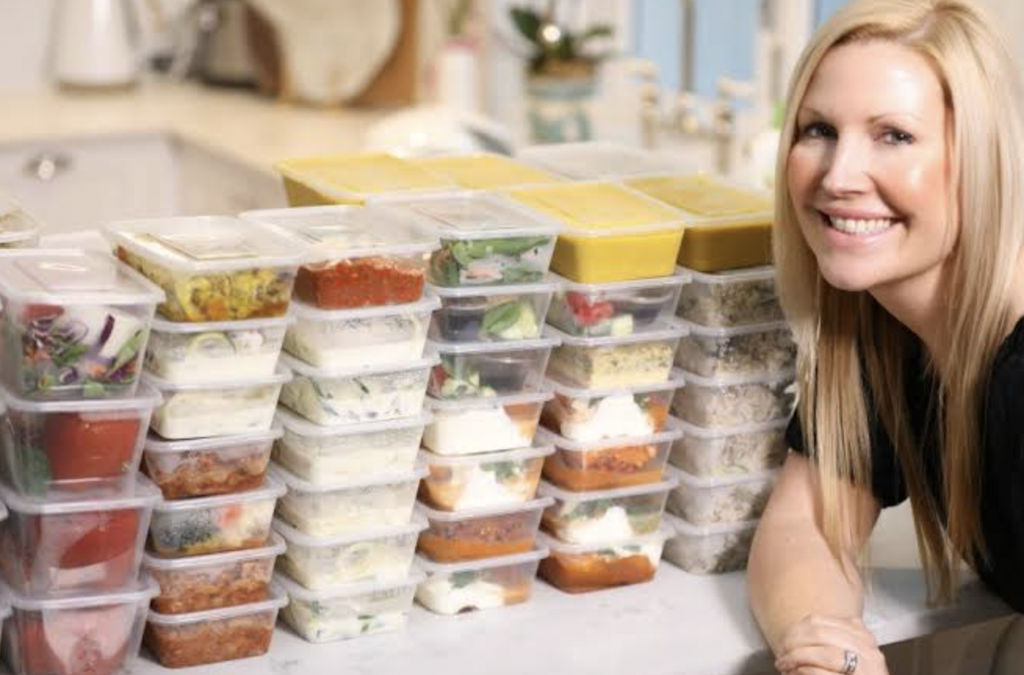
A single large freezer cooking session, sometimes called a “freezer prep day,” can stock a month or more of dinners if planned efficiently, turning one long afternoon into weeks of meals that need nothing more than a quick thaw and reheat. Choosing four or five recipes that share overlapping ingredients, like a shared base of ground meat, onions, and tomatoes, cuts down on both shopping and prep time substantially.
Doubling or tripling a favorite recipe specifically for freezing, rather than treating freezer meals as an afterthought, tends to produce better results than trying to stretch a single dinner’s leftovers into freezer portions. Setting aside a half or full day every month or two, rather than attempting it weekly, keeps the effort sustainable long term.
Involving the Whole Household to Speed Things Up
A freezer cooking day doesn’t have to be a solo project, and splitting tasks across multiple people shrinks the total time by a wide margin. One person can handle chopping and prepping ingredients while another manages the stovetop and oven, and even kids old enough to help safely can take on simple jobs like labeling containers or portioning cooled food into bags. Treating the day as a shared household project rather than one person’s burden also tends to keep it from feeling like a chore that gets put off indefinitely.
Building a Small Rotating List of Freezer-Friendly Recipes
Rather than reinventing the menu every freezer cooking session, keeping a short list of five or six recipes that have proven reliable in the freezer removes the planning burden each time. Rotating through this list, swapping in a new recipe occasionally once it’s been tested successfully, balances variety with the comfort of knowing exactly how a dish will turn out after weeks in the freezer.
Over time, this list becomes a kind of trusted toolkit, cutting down the mental effort that planning a freezer session would otherwise require.
Final Thoughts
Freezer cooking turns a single cooking session into weeks of ready-made dinners, but only when the right dishes are chosen and packed correctly from the start. Favoring soups, stews, casseroles, and cooked proteins over fried or cream-heavy dishes avoids the texture problems that ruin so many freezer meals, while small recipe adjustments can rescue a few dishes that would otherwise sit on the avoid list.
Careful packing, clear labeling, and a simple rotation system keep the freezer organized and prevent good food from getting forgotten at the back. An inventory list and a habit of planning meals around what’s already frozen keep the whole system running without constant oversight. With a reheating method matched to each dish, a freezer stocked this way becomes one of the most reliable tools for getting a real dinner on the table on even the busiest nights.
Frequently Asked Questions
How long can cooked meals safely stay in the freezer?
Most cooked meals remain safe indefinitely in a freezer held at zero degrees Fahrenheit, but quality declines noticeably after two to three months. For the best taste and texture, aim to use frozen meals within that window, and label each container with a date so nothing sits forgotten well past when it still tastes its best.
Can I freeze a meal that already contains dairy?
Dairy-based sauces can separate or turn grainy when frozen and reheated, though the effect varies by dish. Adding fresh dairy, like cream or cheese, after reheating rather than before freezing usually produces a smoother result, and a quick whisk while reheating can also help bring a slightly separated sauce back together.
Is it safe to refreeze a meal that’s already been thawed once?
Refreezing is generally safe if the food was thawed properly in the refrigerator and hasn’t sat at room temperature for an extended period, though each freeze-thaw cycle does reduce quality somewhat, with texture suffering more than flavor across most repeated cycles.
What’s the best way to freeze soup without wasting container space?
Freezing soup flat in a sealed freezer bag, laid on a baking sheet until solid, creates a thin slab that stacks easily and thaws faster than a bulky rigid container, and several of these flat slabs fit into the same space a single large container would otherwise take up.
Should I cook pasta fully before freezing a pasta dish?
No, slightly undercooking pasta before freezing prevents it from turning mushy once reheated, since it continues to soften during the reheating process, and the same logic applies to rice or any other grain included in a dish headed for the freezer.
How many meals should I make in one freezer cooking session?
Four to six different recipes, each multiplied into several portions, is a manageable amount for one session and typically stocks two to four weeks of dinners without overwhelming the cooking day itself. Starting smaller, with just two or three recipes, is a reasonable way to test the whole process before committing to a bigger session.
