


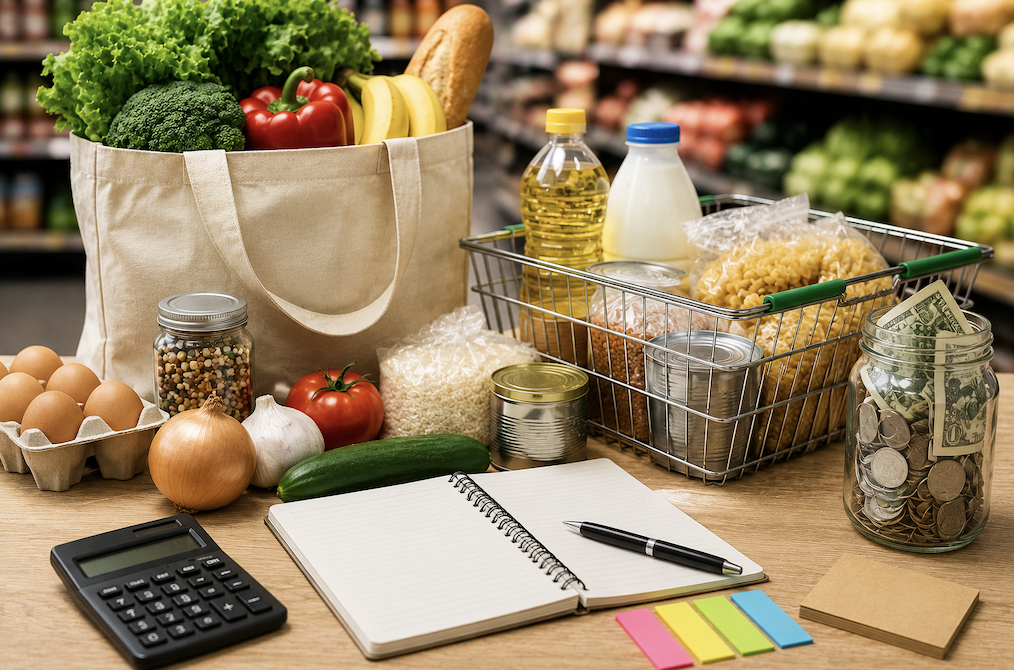
Grocery bills have a way of creeping upward without any single purchase feeling particularly excessive in the moment. A few convenience items here, a slightly larger cart than planned there, and suddenly the total at checkout is noticeably higher than expected. Bringing that number down doesn’t require extreme couponing or giving up food you enjoy, just a handful of practical habits that add up meaningfully over time.
Plan Meals Before You Shop
This is the single most effective habit for controlling grocery spending, and it addresses the root cause of a lot of unnecessary purchases: shopping without a clear plan. Before heading to the store, spend a few minutes deciding on several meals for the week and checking what you already have on hand. This prevents both the common mistake of buying ingredients that don’t combine into actual meals, and the equally common mistake of buying duplicates of things already sitting in your pantry.
A rough plan is enough you don’t need every meal scheduled to the day. Even loosely planning four or five meals and shopping specifically for those ingredients, rather than wandering the aisles picking up whatever looks appealing, meaningfully reduces both waste and unplanned spending.
Make a List and Actually Stick to It
Shopping lists work because they externalize your plan and reduce impulse decisions made in the moment while standing in front of tempting displays. Writing a list based on your meal plan, then genuinely committing to buying only what’s on it, barring a genuine need you forgot to include, cuts down significantly on the small unplanned additions that add up to a noticeably larger bill than expected.
Shopping with a full stomach, rather than hungry, also measurably reduces impulse purchases, since hunger tends to make almost everything in the store look appealing regardless of whether it’s actually needed.
Compare Unit Prices, Not Just Package Prices
Grocery stores often make it genuinely difficult to compare prices at a glance, since packages come in different sizes across brands. Most stores post a unit price, cost per ounce, per pound, or per count, on the shelf tag beneath each product, and comparing this number rather than the total package price is the only reliable way to determine which option is actually the better value. A larger package with a lower total price isn’t automatically cheaper per unit than a smaller one, and checking the unit price directly removes the guesswork.
Buy Store Brands Where Quality Differences Are Minimal
Store brand or generic products are often manufactured in the same facilities as name brands, or to very similar specifications, particularly for staple items like canned goods, dairy, flour, and basic pantry items. The price difference between store brand and name brand versions of these staples is often substantial, while the actual quality difference is minimal or unnoticeable. Trying store brand versions of items you buy regularly, rather than automatically defaulting to familiar name brands, can meaningfully lower your overall grocery bill without a noticeable sacrifice in quality for most staple items.
Shop Sales Strategically, Not Impulsively
Sales can genuinely save money, but only if you’re buying things you’d purchase anyway rather than being drawn into buying something simply because it’s discounted. Checking your grocery store’s weekly sales flyer or app before finalizing your meal plan, and building some meals around what’s genuinely on sale that week, particularly proteins, which tend to have the most significant sale price fluctuations, can meaningfully lower your grocery costs compared to shopping without any awareness of current promotions.
For non-perishable items you use regularly that are on a genuine sale, stocking up beyond your immediate need can make sense, provided you have storage space and the item won’t expire before you’ll use it.
Buy Produce That’s in Season
Fruits and vegetables are generally cheapest, and often taste better, when they’re in season locally, since seasonal produce doesn’t require the additional transportation and storage costs associated with importing out-of-season items from distant regions. Building some flexibility into your meal planning around what’s currently in season, rather than insisting on specific produce year-round, can lower your produce costs meaningfully while often improving the quality and flavor of what you’re actually cooking with.
Frozen produce is also worth considering as a genuinely good alternative for items out of season, since it’s typically flash-frozen at peak ripeness and often costs less than fresh out-of-season alternatives while retaining most of the nutritional value.
Reduce Reliance on Pre-Prepared and Convenience Items
Pre-cut vegetables, individually packaged snacks, and pre-made meals carry a significant price premium over their basic ingredient equivalents, essentially paying extra for someone else’s preparation time. While these items genuinely have their place for busy schedules, relying on them consistently adds up to substantially more spending over time compared to buying basic ingredients and doing the preparation yourself, even accounting for the extra time involved.
A reasonable middle ground for many households is choosing a few specific convenience items that genuinely save meaningful time or prevent food waste, while doing basic preparation yourself for the bulk of your regular grocery purchases.
Avoid Shopping More Often Than Necessary
Frequent, smaller grocery trips tend to result in more total spending than fewer, more consolidated trips, largely because each additional trip creates another opportunity for impulse purchases and small unplanned additions. Consolidating your shopping into fewer trips, built around your meal plan for a longer stretch of time, whether that’s a full week or even two weeks depending on what you’re buying, tends to keep overall spending more controlled.
Use Cashback and Loyalty Programs Thoughtfully
Many grocery stores offer free loyalty programs providing member-specific discounts, and some credit cards offer meaningful cashback specifically on grocery purchases. These can provide genuine savings without requiring any real behavior change, provided you’re using a loyalty program or cashback card you’d have shopped with anyway, rather than switching stores or making a purchase specifically to chase a reward that doesn’t actually save you money in the bigger picture.
Conclusion
The most sustainable approach to budget-friendly grocery shopping combines a handful of these habits consistently, rather than adopting every possible cost-cutting measure at once, which tends to feel overwhelming and difficult to maintain. Starting with meal planning and list-making, since these address the root causes of overspending most directly, then gradually incorporating unit price comparisons, store brand experimentation, and sales awareness, builds a genuinely sustainable lower grocery bill over time rather than a short-lived burst of extreme frugality that’s hard to maintain.
FAQ’s
1. Are store brand products really the same quality as name brands?
For many staple items, canned goods, flour, sugar, basic dairy, the actual quality difference is minimal, and in some cases the products are manufactured in the same facilities as their name brand counterparts. For items where taste or texture matters more to you personally, it’s worth trying the store brand version once to judge for yourself rather than assuming it’s a downgrade based on price alone.
2. Is it worth using coupons and store loyalty apps regularly?
If a coupon or loyalty discount applies to something you were already planning to buy, it’s worth using. Coupons and promotions specifically designed to encourage buying something you wouldn’t have otherwise purchased don’t actually save money, they just redirect spending toward a specific product. The distinction between genuine savings and simply being marketed to effectively is worth keeping in mind.
3. How much can meal planning actually save on a grocery budget?
This varies by household, but meal planning addresses some of the most common sources of grocery overspending directly, buying ingredients that go unused, duplicate purchases, and impulse buys from shopping without a clear plan. Many people find a meaningful reduction in their overall grocery spending simply from this single habit, even before adopting any of the other strategies covered here.
4. Should I buy in bulk to save money?
Buying in bulk can offer real savings for non-perishable items you use regularly and have adequate storage space for, but it can backfire for perishable items you won’t use before they spoil, or for items you don’t actually use often enough to justify the larger quantity. Calculating the actual unit price and being honest about your realistic consumption rate helps determine whether a specific bulk purchase makes sense.
5. Is frozen produce a good way to save money without sacrificing nutrition?
Yes, frozen fruits and vegetables are typically flash-frozen at peak ripeness, which preserves most of their nutritional value, and they’re often more affordable than fresh produce that’s out of season. They also have a much longer shelf life than fresh produce, which can reduce food waste from items that would otherwise spoil before you get to use them.
6. Does shopping at multiple stores for the best prices on each item actually save money overall?
It can save money on individual items, but it’s worth weighing that against the added time, fuel cost, and increased opportunity for impulse purchases at each additional stop. For most households, focusing on one or two stores with generally competitive prices and applying the other strategies covered here consistently tends to produce better overall results than spreading purchases across many different stores chasing the absolute lowest price on every single item.

1 Comment
YDLbNFuVbMipLXqEnKEbpikU