


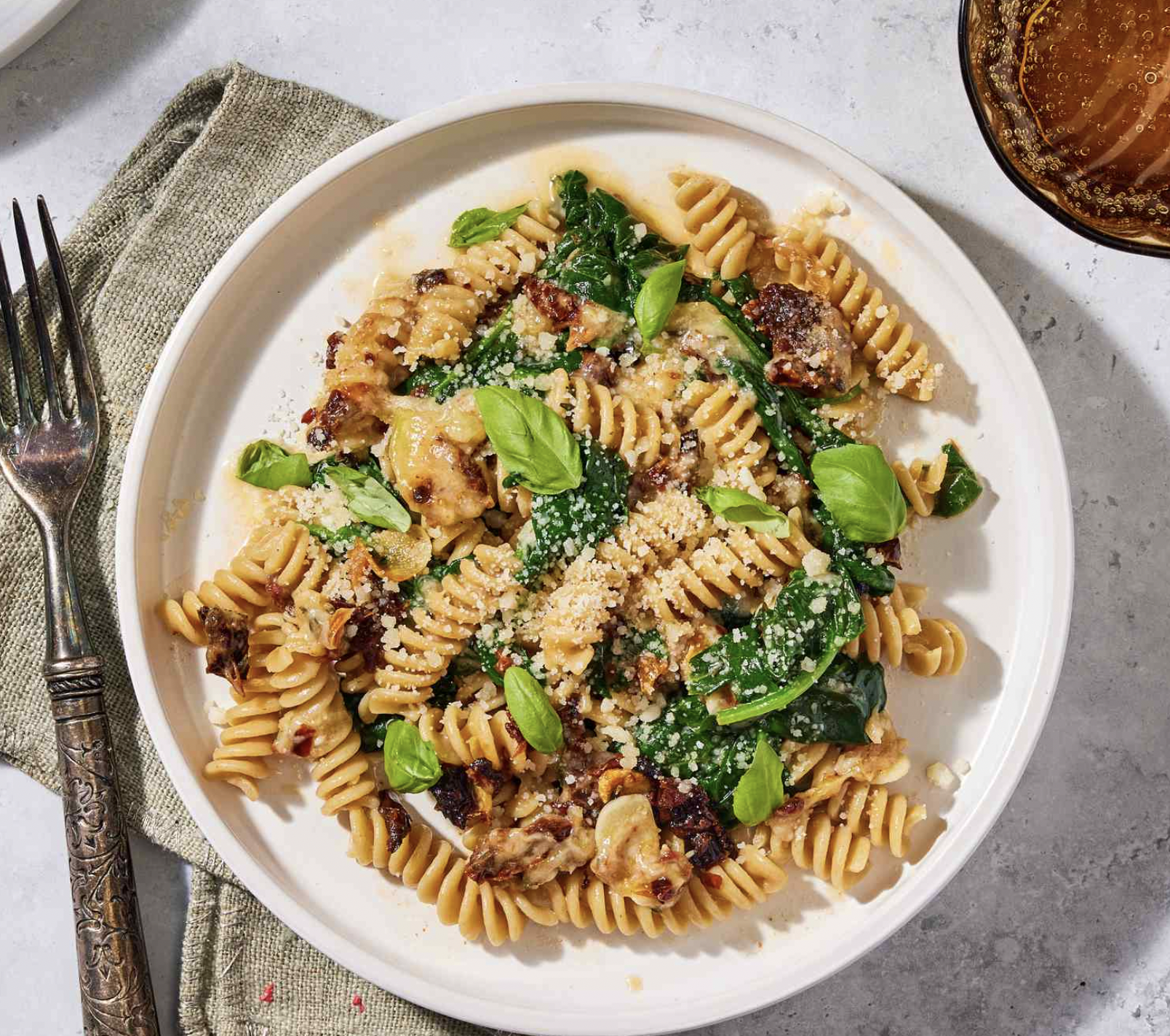
There’s a specific gap between home-cooked pasta and the version served at a good Italian restaurant, and it rarely comes down to access to special ingredients or professional training.
A handful of technique adjustments, many of them simple once you why they matter, can close that gap considerably, transforming an ordinary weeknight pasta dish into something that rivals a restaurant experience.
Start With Properly Salted Pasta Water
This might be the single most underrated step in home pasta cooking. Pasta water should taste noticeably salty, often compared to seawater, since this is essentially the only opportunity to season the pasta itself from within rather than relying entirely on a sauce added afterward to compensate. Many home cooks use far too little salt, resulting in pasta that tastes flat and bland no matter how flavorful the accompanying sauce happens to be.
A reasonable guideline involves using something in the range of one to two tablespoons of salt per gallon of water used for cooking, though personal taste varies somewhat, and adjusting this amount based on your own preference over a few attempts helps you find a level that improves flavor without becoming overpowering.
Cook Pasta to Al Dente, Then Finish It in the Sauce
Restaurant kitchens almost universally finish pasta by combining it with sauce in a pan for the final minute or two of cooking, rather than fully cooking pasta separately and simply pouring sauce over the top once plated. This technique allows the pasta to absorb some of the sauce’s flavor directly while the starch released from the pasta helps the sauce cling more effectively and develop a silkier, more cohesive texture.
To do this properly, cook your pasta until it’s slightly underdone compared to what you’d consider fully finished, generally a minute or two less than the package instructions suggest, then transfer it directly into your sauce, along with a splash of the pasta’s cooking water, to finish cooking together for the final stretch.
Save and Use Pasta Water Strategically
The starchy water pasta cooks in is a valuable ingredient that many home cooks discard without a second thought. This starch helps bind sauce and pasta together, creating the glossy, cohesive coating characteristic of well-made restaurant pasta rather than a thin sauce that simply sits separately on top of the noodles or pools at the bottom of the bowl.
Reserving a cup of pasta water before draining, then adding small amounts to your sauce as needed while finishing the pasta together, provides both the necessary moisture and valuable starch content that transforms sauce texture, often making the difference between a sauce that clings beautifully and one that simply slides off the pasta into a watery puddle.
Don’t Rinse Your Pasta After Draining
Rinsing cooked pasta under water removes the starchy exterior coating that helps sauce adhere properly, which is precisely why this step, sometimes recommended for cold pasta salads specifically, should generally be avoided for any pasta you’re about to combine with a hot sauce. That starchy surface is actively helpful for the dish you’re making, not something to wash away before it has the chance to do its job.
Use Quality Ingredients Where They Matter Most
Not every ingredient in a pasta dish needs to be the most expensive option available, but certain components benefit from quality investment given how directly their flavor comes through in a simple dish. Good olive oil, used specifically for finishing a dish rather than for higher-heat cooking, contributes a noticeably better flavor than a basic, more neutral cooking oil.
Freshly grated parmesan or pecorino, rather than pre-grated versions that often contain anti-caking additives affecting both flavor and melting behavior, makes a noticeable difference in a dish where cheese plays a starring role.
For tomato-based sauces specifically, quality canned tomatoes, San Marzano varieties are particularly well regarded, often produce a noticeably better result than inferior canned tomatoes, even when both are transformed into a cooked sauce rather than used raw.
Build Flavor in Layers Rather Than All at Once
Restaurant-quality sauces typically develop flavor through a sequential building process rather than simply combining all ingredients simultaneously and hoping for the best. Properly sautéing aromatics, garlic and onion most commonly, until they’re softened and fragrant before adding other ingredients establishes a flavor foundation that a rushed, simultaneous approach simply can’t replicate.
Allowing a sauce adequate time to simmer and develop, rather than rushing straight from assembly to plating, lets flavors meld and concentrate in a way that shortcuts the process tends to prevent.
Finish With Fresh Elements
A sprinkle of freshly torn basil, a final drizzle of good olive oil, a dusting of freshly cracked black pepper, added right before serving rather than cooked into the dish from the start, provides a bright, fresh contrast against the deeper, more developed flavors of a properly cooked sauce.
This contrast between cooked depth and fresh brightness is a hallmark of well-executed pasta dishes and a detail easy to overlook in home cooking, where every component sometimes gets cooked together from the very beginning without this final layer of contrast.
Match Pasta Shape to Sauce Type Thoughtfully
Different pasta shapes suit different sauce styles better than others, based on how each shape’s surface area and structure interacts with a specific sauce’s consistency. Long, thin pasta like spaghetti or linguine pairs well with smoother, oil-based or light tomato sauces that coat strands evenly.
Shapes with ridges or tubes, like penne or rigatoni, excel at capturing chunkier sauces with distinct pieces of vegetable or meat within their structure. Wider, flatter noodles work particularly well with heavier, creamier sauces that benefit from more surface area for clinging.
While this isn’t a rigid rule preventing any specific combination, being thoughtful about this pairing, rather than defaulting to whatever pasta shape happens to be in your pantry regardless of the sauce you’re preparing, improves the overall eating experience.
Avoid Overloading the Pasta With Sauce
A common home cooking mistake involves drowning pasta in an excessive amount of sauce, when restaurant portions typically use noticeably less sauce relative to pasta than many home cooks default to, allowing the pasta itself to remain the star of the dish rather than becoming a vehicle primarily for delivering sauce.
A properly balanced dish should show the pasta lightly coated and glossy, rather than swimming in a pool of excess sauce at the bottom of the bowl.
Warm Your Serving Bowls
A small but impactful detail many restaurants observe involves warming serving bowls or plates before plating pasta, since cold dishware can cause pasta to cool and the sauce to seize or separate more quickly than it would otherwise.
Simply running bowls under hot water and drying them briefly before plating, or warming them in a low oven for a few minutes, helps maintain the dish’s ideal temperature and texture for longer after it reaches the table.
Conclusion
None of these individual adjustments require special equipment or advanced culinary training, properly salting water, finishing pasta in sauce with reserved cooking water, avoiding rinsing, investing in a few key quality ingredients, building flavor sequentially, and adding fresh finishing touches.
Combined, however, they represent the accumulated technique that separates excellent homemade pasta from an ordinary version, and once these habits become automatic rather than requiring conscious effort each time, restaurant-quality pasta becomes a realistic, regular part of your home cooking rather than something reserved exclusively for dining out.
Frequently Asked Questions
How much pasta water should I actually reserve before draining?
A full cup is a reasonable amount to set aside, though you likely won’t use all of it in most dishes. It’s better to reserve slightly more than you think you’ll need, since you can always discard unused portions, but you can’t go back and recover pasta water after it’s already been poured down the drain following straining.
Is fresh pasta better than dried, or is this mostly a matter of preference?
Both have merits suited to different dishes. Fresh pasta offers a delicate, tender texture particularly well suited to simpler, butter or cream-based sauces, while dried pasta’s firmer texture and more pronounced bite hold up better against heartier, chunkier sauces. Neither is objectively superior, and choosing based on the specific dish you’re preparing serves you better than assuming one is always the correct choice.
Why does my sauce sometimes separate or look greasy instead of smooth and glossy?
This often happens when a sauce containing fat, oil or butter, hasn’t been properly emulsified with enough starchy pasta water or sufficient agitation to bind the fat and liquid together into a cohesive texture. Adding pasta water gradually while actively stirring or tossing the pasta and sauce together, rather than simply combining them and letting them sit, helps achieve the smooth, glossy result you’re looking for.
Does the specific brand of dried pasta actually make a noticeable difference?
Yes, to a degree. Higher-quality dried pasta, often made through a slower extrusion process using bronze dies rather than the smoother, faster Teflon dies used by many mass-market brands, produces a rougher surface texture that helps sauce adhere more effectively. This difference is noticeable enough that many serious home cooks consider it worth seeking out specifically for dishes where sauce clinging to pasta matters significantly to the final result.
Can I apply these techniques to gluten-free or alternative pasta varieties as well?
Most of these principles, proper salting, reserving starchy cooking water, finishing in sauce, avoiding rinsing, apply reasonably well to alternative pasta varieties, though gluten-free pasta in particular can behave somewhat differently during cooking, sometimes becoming mushy more quickly or releasing different amounts of starch into the cooking water. Paying closer attention to cooking time and texture with alternative pasta, rather than assuming identical behavior to traditional wheat pasta, helps you adapt these techniques successfully to whatever specific pasta you’re using.
