


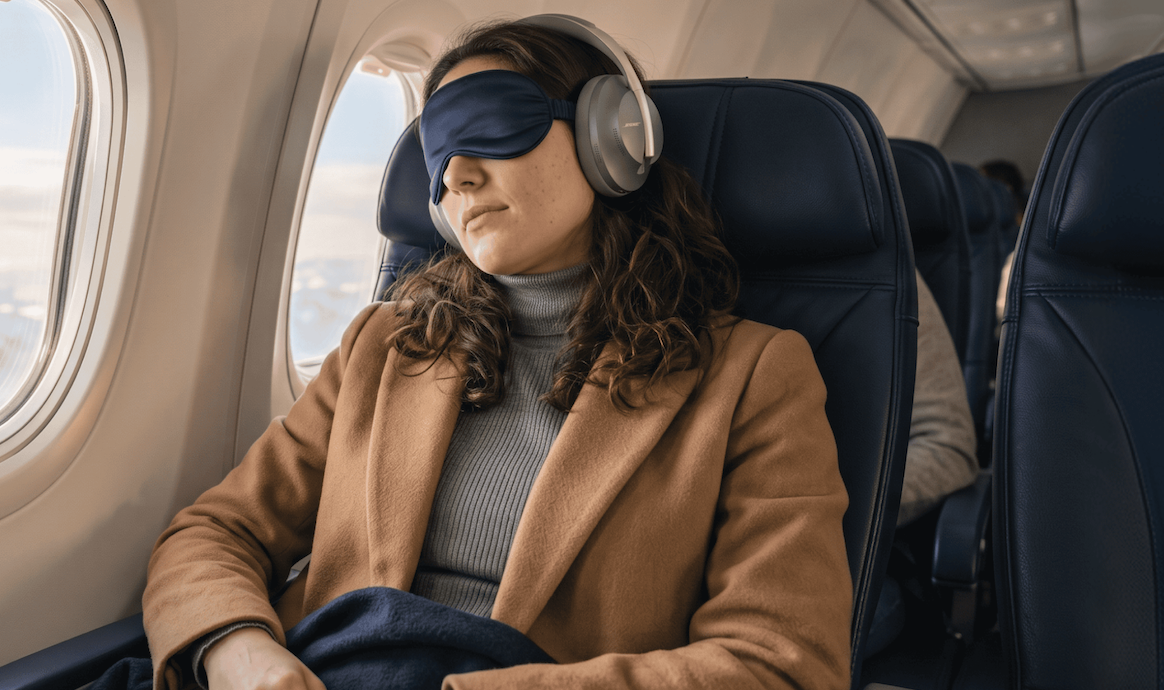
Landing in a new time zone after a long flight comes with a particular kind of exhaustion that no amount of coffee alone can fully fix, no matter how strong the cup. Jet lag happens because the body’s internal clock, built carefully around light and daily routine, suddenly finds itself many hours out of sync with the sun sitting outside the window.
Some travelers bounce back in a day or two feeling almost normal, while others spend most of a week fighting fatigue, poor sleep, and a foggy head showing up at exactly the wrong hours. The difference often comes down to a handful of concrete strategies used before, during, and after the flight, rather than simply gritting through it and waiting the fatigue out.
Preparing Your Body Before You Even Board
Jet lag recovery starts well before departure, and travelers who take the time to adjust their routine a few days ahead tend to recover noticeably faster once they land, rather than starting the clock only once the plane touches down.
Shifting your sleep and wake times by thirty minutes to an hour each day in the direction of your destination’s time zone, starting two or three full days before the trip, gives your internal clock a real head start on the work it has to do. For an eastbound flight, that means going to bed and waking up earlier; for a westbound flight, later.
Adjusting meal times along that same gradual shift reinforces the change further, since eating patterns are one of several signals the body uses alongside light to set its internal clock each day.
Choosing Flight Times Strategically
When flight options allow for it, a flight that lands in the early evening at your destination makes it easier to go straight to a normal bedtime rather than arriving in the middle of the local day already exhausted.
Sleeping Well in the Nights Before Departure
Travelers often spend the final days before a big trip packing late into the night, finishing up work, and running last-minute errands, which leaves them starting a long flight already running a real sleep deficit. Arriving at departure day with a sleep deficit compounds whatever jet lag follows, since the body has to recover from both the missed sleep and the time zone shift at once.
Protecting a normal sleep schedule in the two or three nights before a flight, even when the to-do list feels long, gives the whole recovery process a better starting point than trying to catch up somewhere over the ocean.
Managing Light Exposure to Reset Your Internal Clock
Light is the single most powerful tool for resetting the body’s internal clock, more effective on its own than any supplement, sleep aid, or trick a travel blog might suggest trying instead.
- Seek bright light in the morning after an eastbound flight: morning light exposure helps shift your body clock earlier, which matches the direction needed after traveling east.
- Avoid bright light in the evening after an eastbound flight: sunglasses worn in the late afternoon and evening for the first day or two can prevent the body clock from resisting the needed shift.
- Seek evening light after a westbound flight: this helps shift the body clock later, matching the direction needed when traveling west.
- Use blackout curtains or an eye mask for sleep: blocking out unwanted light at the wrong hours protects the sleep schedule you’re trying to establish.
- Get outside rather than relying on indoor lighting: natural daylight is substantially more effective at resetting the internal clock than artificial indoor light.
Using Light-Blocking Glasses on Long Eastbound Trips
For especially long eastbound trips, crossing eight or more time zones in one go, some travel specialists recommend wearing dark, light-blocking glasses during specific windows after landing to avoid light exposure that would otherwise push the body’s clock in the wrong direction.
This is a more advanced strategy than most casual travelers need, but it illustrates just how closely timed light exposure needs to be for a big jump across time zones. For shorter trips of a few zones, simple sunglasses and a bit of attention to indoor versus outdoor light are usually enough without needing anything more specialized.
Why Screens at Night Can Undercut the Strategy
Phone and laptop screens emit light in a wavelength range the body reads as daytime signal, which means scrolling through a phone in bed at the destination’s nighttime can quietly undo the careful light management used during the day.
Dimming screens, switching on a built-in night mode, or simply setting devices aside a full hour before the intended bedtime protects the quiet signal the body is otherwise trying to pick up from the darkened room around it.
Timing Sleep, Meals, and Caffeine on the Plane
What happens during the flight itself, long before touchdown, can noticeably affect how smooth and quick the adjustment feels once you finally land. Setting your watch or phone to the destination time zone as soon as you board helps mentally frame the flight around the new schedule rather than the one you left behind.
Sleeping on the plane should align with nighttime at your destination rather than nighttime at your departure point, even if that means staying awake during a flight that departs in your home evening.
Caffeine and alcohol both interfere with sleep quality, and limiting both during the flight, especially in the hours before you intend to sleep on board, improves the chances of real rest rather than a restless doze. A short list of in-flight habits supports the broader adjustment effort without requiring much extra effort:
- Set devices to destination time immediately: this reframes the whole flight around the new schedule from the very first minute on board.
- Skip alcohol in the hours before intended sleep: it may feel relaxing at first but fragments sleep quality later in the flight.
- Pack a true sleep kit: an eye mask, earplugs, and a travel pillow make it far easier to really rest on the schedule you’re aiming for.
- Avoid heavy caffeine late in the flight: a coffee timed wrong can undo hours of careful sleep planning in a single cup.
Choosing Meals That Support Sleep Instead of Fighting It
Airline meals and the snacks brought along for a flight can either support the adjustment effort or work against it. Heavy, rich meals eaten right before an intended sleep window can leave the body digesting rather than resting, while a lighter meal timed an hour or two before sleep tends to settle more easily.
Staying hydrated with water rather than relying on the free soda or coffee that comes around the cabin also helps counter the dry cabin air that makes long flights feel more draining than the hours in the air would otherwise suggest.
Moving Periodically to Support Circulation and Comfort
Sitting still for hours straight doesn’t directly cause jet lag, but it compounds the general fatigue that makes the adjustment period feel worse.
A short walk up and down the aisle every couple of hours, along with a few simple seated stretches for the ankles and shoulders, keeps circulation moving and makes it easier to settle into a comfortable position once it’s finally time to sleep on board.
Adjusting Quickly Once You Land
The first 24 to 48 hours after landing do the most work in resetting your schedule, and a handful of deliberate choices made in that narrow window can speed up the whole process substantially compared with simply letting fatigue dictate the day.
- Get outside as soon as possible: a walk outdoors shortly after landing, even a short one, helps signal the new time zone to your body.
- Stay awake until local bedtime: napping too long or too early on arrival day delays the adjustment and often makes the next day harder.
- Eat meals on the local schedule: aligning breakfast, lunch, and dinner with local time reinforces the same signal that light exposure provides.
- Exercise lightly during daylight hours: moderate activity outdoors helps the body transition without overtaxing an already tired system.
- Avoid a long nap, but allow a short one if needed: a nap under thirty minutes, taken earlier in the day, can help without derailing nighttime sleep.
Planning the First Full Day Around Low-Stakes Activities
The day after a long flight is rarely the best time to schedule an important meeting or a demanding activity, since reaction time, mood, and concentration all tend to suffer even when a traveler feels generally functional.
Where the schedule allows, building in a buffer day with lighter commitments, like sightseeing at an easy pace or settling into accommodations, gives the body room to finish adjusting before anything demanding gets asked of it.
Business travelers without the luxury of a buffer day can still protect the first few hours of the morning for the lightest tasks on their agenda, saving anything requiring sharp focus for later in the day once the body has had more time to catch up.
Deciding Whether to Push Through or Rest on Arrival Day
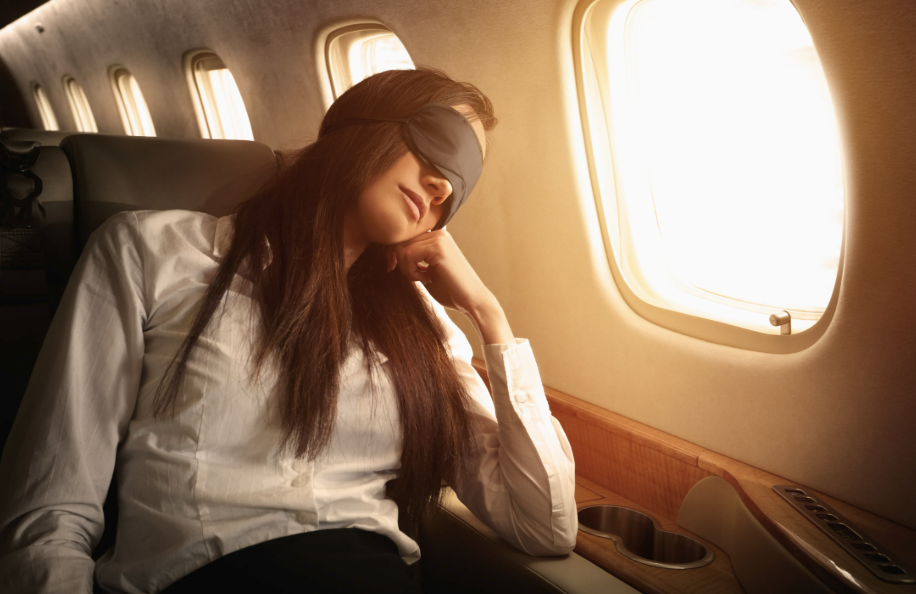
A common debate among frequent travelers is whether to power through arrival day on willpower alone or allow a short, controlled rest. The available evidence generally favors staying awake and active until a reasonable local bedtime that evening, since this gives by far the strongest signal to the internal clock, but a traveler who is truly exhausted and unsafe to drive or operate machinery shouldn’t push through recklessly.
A short nap under thirty minutes, taken in the early afternoon rather than evening, offers a reasonable middle ground that restores some alertness without undoing the day’s progress toward the new schedule.
Using Supplements and Tools Wisely
A few additional tools can support the adjustment process, though none of them replace the core strategies of careful light management and consistent sleep timing discussed earlier.
Melatonin and Its Role
Melatonin supplements, taken in a low dose close to the desired local bedtime, can help signal to the body that it’s time to sleep, especially useful for eastbound travel where the adjustment runs against the body’s natural tendency to want to stay up later. Timing matters more than dose here, and taking it too early or too late can backfire by shifting sleepiness to the wrong hours.
Hydration also plays a bigger role than most travelers realize, since cabin air on long flights is notably dry and dehydration alone can worsen fatigue and headaches that get mistaken purely for jet lag.
Weighing Other Supplements Travelers Commonly Try
Beyond melatonin, a handful of other supplements and small gadgets get marketed toward jet lag specifically, each with a different and often mixed amount of evidence behind them. Light therapy devices, small wearable lamps designed to deliver timed bright light exposure, have some research support for shifting the body’s clock, though they work best alongside the same timing principles that apply to natural daylight rather than as a standalone fix.
Herbal sleep aids and over-the-counter antihistamines sometimes help travelers fall asleep in an unfamiliar hotel room or airplane seat, but they don’t shift the internal clock the way light and melatonin do, so they’re better suited to short-term comfort on a single rough night than to the core, ongoing adjustment process itself.
Building a Simple Pre-Flight Checklist
Pulling these strategies into a short checklist makes them easier to act on rather than trying to remember a long list of tips under the stress of travel day. A simple version might include adjusting sleep and meal times a few days ahead, packing an eye mask and light-blocking layer, setting a phone reminder for when to take melatonin if using it, and planning the first day’s schedule around lighter activities.
Having this checklist ready before departure turns jet lag management from something improvised mid-trip into something planned for in advance.
Recognizing How Many Days Recovery Typically Takes
Most people need roughly one day of adjustment per time zone crossed, though this varies quite a bit by individual and by direction of travel, and a few other personal factors shift the number up or down. Eastbound travel tends to be harder on the body than westbound travel, since it requires falling asleep earlier, which runs against most people’s natural rhythm more than staying up later does.
- One to two time zones: usually minimal disruption, often resolved within a day.
- Three to five time zones: noticeable fatigue and sleep disruption for two to four days is common.
- Six or more time zones: a full week or more of gradual adjustment is typical, even with good strategies in place.
- Multiple time zone trips in quick succession: recovery can compound, making a second long flight within days of the first substantially harder on the body.
Factoring in Age and Individual Differences
Recovery speed isn’t identical across every traveler, and a handful of personal factors shift how long the adjustment tends to take. Younger travelers generally bounce back faster than older ones, and people with naturally flexible sleep schedules tend to adjust more quickly than those with rigid routines at home.
Frequent travelers often report an easier time with jet lag over the years, possibly because repeated exposure makes the body’s clock somewhat more practiced at shifting, though this isn’t guaranteed and some people continue to struggle with it no matter how often they fly.
Final Thoughts
Jet lag recovery responds well to a handful of deliberate strategies rather than simply waiting it out. Adjusting sleep and meal timing before departure, managing light exposure strategically in the days after landing, and making smart choices about sleep, meals, and caffeine during the flight itself all work together to speed up the process.
A short checklist built ahead of time turns these strategies into habits rather than things remembered too late to matter. Recovery time varies by how many zones you’ve crossed, which direction you traveled, and even your own age and sleep flexibility, but a thoughtful approach can cut that recovery window noticeably shorter than letting the body figure it out entirely on its own. A little planning before and during the flight pays off substantially once you land.
Frequently Asked Questions
How long does jet lag typically last?
A general rule is about one day of recovery for each time zone crossed, though this varies by person, direction of travel, and how well light exposure and sleep timing are managed in the days following arrival. A short, well-planned trip across only one or two zones might barely register, while a long trip across eight or more can take the better part of a week to feel fully settled.
Is eastbound or westbound travel harder on the body?
Eastbound travel is generally harder, since it requires the body to fall asleep earlier than its natural rhythm prefers. Westbound travel, which asks the body to stay up later, tends to align more naturally with most people’s internal clocks, which is part of why a trip home from a long eastbound journey often feels easier than the outbound leg did.
Does melatonin help with jet lag?
For many travelers, yes, especially for eastbound trips, when taken in a low dose close to the desired local bedtime. Timing is important, since taking it at the wrong hour can shift sleepiness further from where it’s needed.
Should I sleep on the plane if my flight lands in the morning?
Generally yes, if the flight overlaps with nighttime at your destination, sleeping on board helps you arrive closer to being rested and ready for a normal daytime schedule rather than needing an immediate nap.
Can exercise help speed up jet lag recovery?
Light to moderate exercise, especially outdoors during daylight hours, can help the body adjust by reinforcing the new day-night cycle and improving sleep quality that night, though intense exercise right before bedtime can backfire by making it harder to wind down.
Is it worth adjusting my sleep schedule before a short trip of only two or three days?
For very short trips, some travelers choose to stay on their home time zone schedule instead of fully adjusting, since the adjustment process itself can take longer than the trip. This depends on the time difference and personal tolerance for disrupted sleep, and travelers with an important event planned right after arrival may still want to adjust partially even on a brief trip.
