


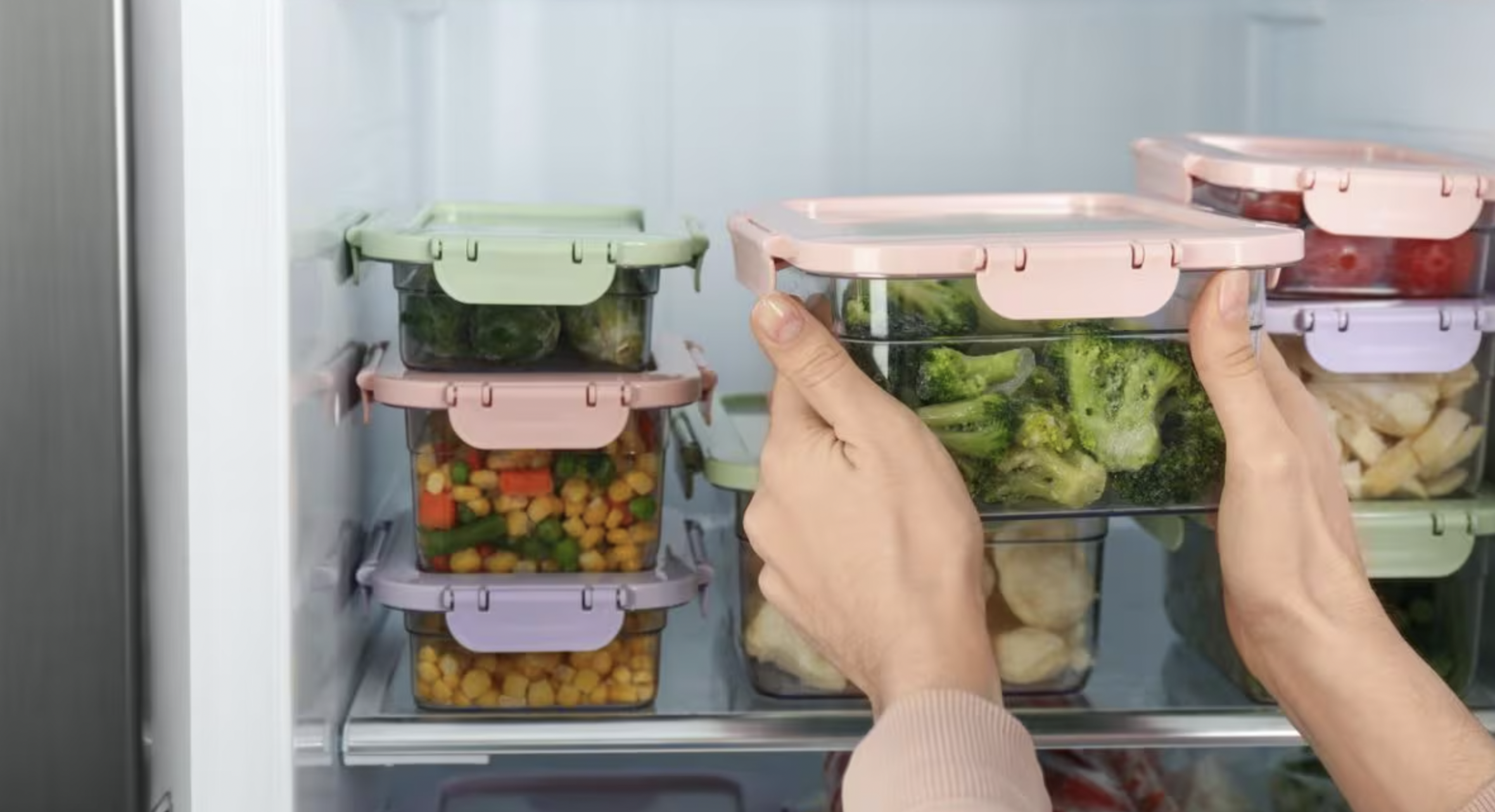
Leftovers offer convenience, saving both time and money by turning a single cooking session into multiple future meals, but improper storage can turn this convenience into a food safety risk. The actual science behind safe leftover storage, rather than relying on rough guesses or outdated assumptions, protects both your health and the quality of the food you’ve already put effort into preparing.
The Temperature Danger Zone
Food safety guidelines center around what’s commonly called the temperature danger zone, the range between roughly forty and one hundred forty degrees Fahrenheit where bacteria multiply most rapidly. Food left within this range for extended periods provides an environment where harmful bacteria can grow to levels capable of causing foodborne illness, which is why the timing of when you actually refrigerate leftovers matters considerably more than many people realize.
The generally recommended guideline is refrigerating leftovers within two hours of cooking, or within just one hour if the ambient temperature is particularly warm, above ninety degrees Fahrenheit, since bacterial growth accelerates even further in hotter conditions.
Leaving food out at room temperature for extended periods, even food that still looks and smells perfectly normal, creates conditions where harmful bacteria can multiply to dangerous levels without any obvious visible or olfactory warning signs.
Cool Food Properly Before Sealing It Away
While getting food into the refrigerator promptly matters significantly, placing a large, still-steaming container of food directly into your refrigerator can actually create problems of its own, raising the internal temperature of your refrigerator enough to potentially affect other stored food and slowing how quickly the hot food itself actually cools to a safe temperature throughout.
For larger quantities of food, dividing them into smaller, shallower containers before refrigerating allows for considerably faster, more even cooling than leaving everything in one large, deep container. This practice, sometimes overlooked, matters for foods like soups, stews, and casseroles prepared in large batches, where a single large container can take hours to cool completely through its center even while refrigerated, keeping that central portion within the temperature danger zone far longer than the guidelines recommend.
Choose Appropriate Storage Containers
Airtight containers matter for leftover storage, preventing both moisture loss that can dry out food and cross-contamination from other items in your refrigerator. Glass containers offer the advantage of not absorbing odors or staining the way some plastic containers can over repeated use, along with generally being safe for reheating directly, though it’s worth confirming a specific container is microwave-safe before using it that way, since not all glass or plastic containers are designed for this purpose.
Labeling containers with the date they were prepared, using simple tape and a marker or a dedicated labeling system, removes the guesswork of trying to remember exactly how long something has been sitting in your refrigerator, which matters considerably for the safety guidelines covered in the next section.
How Long Different Leftovers Actually Stay Safe
Most cooked leftovers remain safe to eat for approximately three to four days when properly refrigerated, though this general guideline can vary somewhat depending on the specific food type. Cooked meat and poultry generally fall within this typical range.
Cooked rice deserves particular caution, since it can harbor a specific type of bacteria that produces a toxin resistant to reheating, meaning refrigerating rice promptly and consuming it within a shorter window, generally within one to two days, represents a more cautious, food-safety-conscious approach than treating it identically to other leftover categories.
Soups, stews, and casseroles typically hold up reasonably well within the general three to four day window, sometimes even improving in flavor as ingredients continue melding together, though this doesn’t extend their food safety window beyond the general guideline regardless of how they might still taste or appear.
When in doubt about a specific food’s storage life, or if you’re uncertain exactly how long something has been sitting in your refrigerator due to inadequate labeling, erring toward caution and discarding questionable leftovers is always the safer choice than risking foodborne illness to avoid food waste.
Freeze What You Won’t Use Within a Few Days
If you know you won’t realistically consume leftovers within the typical three to four day refrigerator window, freezing extends their usable life considerably, often to several months depending on the specific food, while maintaining reasonable quality, particularly for soups, stews, and cooked meats that generally freeze and reheat well.
Portioning food into individual or family-sized servings before freezing makes future reheating considerably more convenient than needing to thaw an entire large batch just to access a single portion. Labeling frozen items with both the date and contents prevents the common problem of unidentifiable frozen items accumulating in your freezer indefinitely, since visual identification becomes considerably more difficult once food has been frozen and its appearance has changed somewhat from its original fresh state.
Reheat Leftovers to a Safe Internal Temperature
When reheating leftovers, ensuring the food reaches an adequately high internal temperature throughout, generally recommended at one hundred sixty-five degrees Fahrenheit, kills any bacteria that may have developed during storage, even within the generally safe storage window.
Using a food thermometer to verify this, particularly for larger portions or dense foods where heat might not distribute evenly through microwave reheating, provides more reliable confirmation than simply reheating until the food feels adequately warm by touch or appearance alone.
Stirring food partway through microwave reheating, and allowing a brief standing time afterward for temperature to even out throughout the dish, helps address the uneven heating that microwaves are particularly prone to, where certain portions can reach a safe temperature while others remain considerably cooler.
Be Cautious About Multiple Reheating Cycles
Repeatedly reheating and re-refrigerating the same batch of leftovers multiple times increases the cumulative time that food spends within the temperature danger zone across each reheating and cooling cycle, gradually increasing food safety risk with each repetition.
Portioning leftovers into individual servings before initial refrigeration, so you’re only reheating exactly what you’ll actually consume in that specific sitting rather than repeatedly reheating and re-cooling an entire larger batch, reduces this cumulative risk considerably.
Trust Your Senses, But Don’t Rely on Them Exclusively
While off odors, unusual textures, or visible mold are warning signs that leftovers have spoiled and should be discarded, it’s worth that harmful bacteria can sometimes be present at dangerous levels without producing obvious sensory warning signs, particularly within the earlier stages of bacterial growth.
This is precisely why following the general timing guidelines covered above matters even when leftovers still look, smell, and would likely taste perfectly normal, since appearance and smell alone aren’t fully reliable indicators of food safety.
Consider Your Refrigerator’s Actual Temperature
Leftover storage guidelines assume your refrigerator itself is maintaining an appropriately cold temperature, generally recommended at or below forty degrees Fahrenheit. Many people have never actually verified their refrigerator’s true internal temperature, and an inexpensive refrigerator thermometer provides confirmation rather than simply trusting your appliance’s built-in temperature dial, which doesn’t always accurately reflect the actual internal temperature being maintained, particularly in an older or less precisely calibrated refrigerator.
Conclusion
Developing a consistent routine around leftover storage, promptly refrigerating within the recommended timeframe, dividing large batches into smaller containers for faster cooling, labeling everything clearly with dates, and following appropriate consumption or freezing windows, transforms food safety from an occasional afterthought into an automatic habit that protects both your health and the value of the food you’ve invested time and money into preparing.
These practices, once established as routine, require minimal additional effort while providing meaningful, ongoing protection against the risks associated with improperly stored leftovers.
Common Questions About Storing Leftovers
Is it safe to eat leftovers that have been in the refrigerator for exactly four days?
Generally yes, assuming proper refrigeration temperature and prompt initial storage, though it’s worth erring toward the earlier end of the typical three to four day window if you’re uncertain about any part of the storage process, exact preparation time, whether the food sat out too long before refrigeration, or consistent refrigerator temperature throughout that period.
Can I refreeze food that has already been thawed from frozen?
Generally, food thawed properly in the refrigerator, rather than at room temperature, can be safely refrozen, though quality may decline somewhat with each freeze-thaw cycle. Food thawed using faster methods like room temperature or warm water, however, should generally be cooked before any refreezing, since these faster thawing methods can allow the exterior portions to spend more time within the temperature danger zone even while the center remains frozen.
Why does cooked rice specifically require extra caution compared to other leftovers?
Rice can harbor a specific bacterium that survives the initial cooking process and produces spores capable of germinating and multiplying if rice is left at room temperature for extended periods, producing a toxin that isn’t fully destroyed even through subsequent reheating. This is why promptly refrigerating rice and consuming it within a shorter window than some other leftover categories represents a more cautious, appropriate approach specific to this particular food.
Do vacuum-sealed leftovers last longer than those in regular containers?
Vacuum sealing can extend both refrigerated and frozen storage life somewhat by reducing oxygen exposure, which slows certain types of spoilage and can help prevent freezer burn during frozen storage specifically. That said, vacuum sealing doesn’t eliminate the fundamental food safety timeline concerns covered above, particularly regarding the temperature danger zone during initial cooling, meaning the same prompt refrigeration guidelines still apply regardless of your specific container choice.
Is it fine to leave leftovers in the pot or pan they were cooked in overnight before refrigerating?
This isn’t recommended, since leaving food at room temperature overnight, even in its original cooking vessel, means it sits within the temperature danger zone for far longer than the recommended two-hour guideline, creating food safety risk regardless of how the food looks or smells the following morning. Transferring food to appropriate storage containers and refrigerating promptly after cooking, rather than leaving it out to deal with later, remains the safer, recommended practice.
