


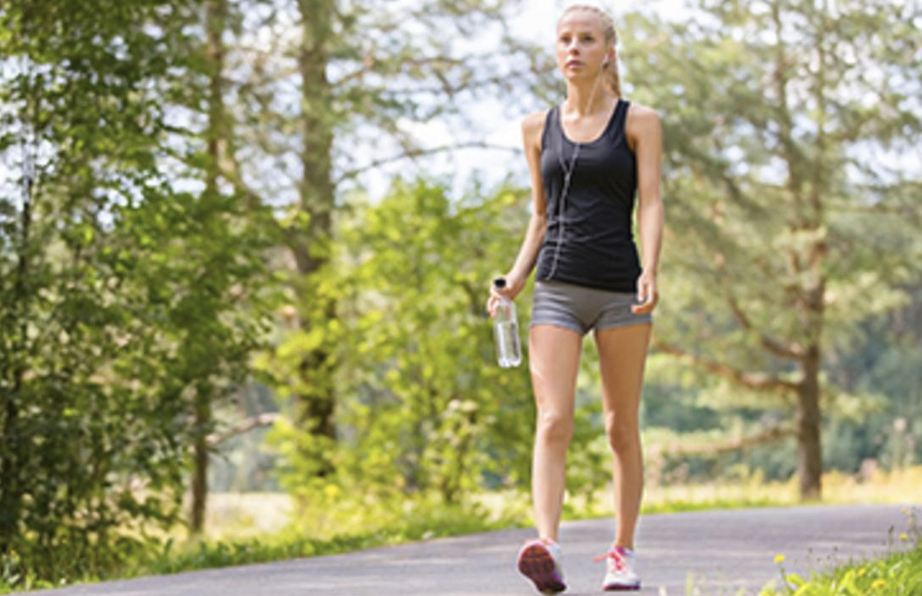
Walking is free, needs no special skill and fits into almost any day, which makes it one of the easiest ways to look after body and mind. Many of us start with enthusiasm and then drift away within weeks, so the real challenge is keeping the habit going.
In this article we will discuss why walking is worth your time, how to set sensible goals, what to wear and how to walk comfortably, and how to build a routine that survives busy weeks and bad weather.
Walking earns its place among health habits
Walking is the most common form of physical activity in the world, and for good reason. It uses large muscle groups, raises the heart rate gently, puts less stress on joints than running and can be done at almost any age. Major health organizations include walking in their guidance on staying active, and brisk walking commonly counts as moderate-intensity activity.
Regular movement of this kind is linked with a healthier heart, steadier blood sugar, stronger bones and muscles, better mood and improved sleep. It also helps many people manage their weight, although walking alone rarely leads to fast changes on the scales and works best alongside sensible eating. Many people report that a daily walk clears their head, eases stress and gives them time to think, which is a benefit that is hard to measure but easy to feel.
Another reason walking suits so many people is that it hardly feels like exercise. You can walk to the shops, to a bus stop, around a park during a lunch break or with a friend while you talk. You do not need a gym membership, a timetable or any equipment beyond a decent pair of shoes. That low barrier makes it much more likely that you will still be doing it a year from now.
A common benchmark in public health advice is about 150 minutes of moderate activity a week for adults, which works out at around 30 minutes on five days. Guidance varies slightly between countries, and it may also suggest muscle-strengthening work on two days a week. Treat these figures as a long-term direction rather than a starting line, because a person who has not exercised for years will do better building up slowly. Doing a little is always better than doing nothing.
Walking also suits people who dislike the idea of exercise. There is no need to change clothes, book a class or feel self-conscious, and you can go at your own speed. For many readers this relaxed quality is the very reason walking survives where other plans collapse.
Gentle goals beat dramatic ones
The most common reason new walking habits fail is that the first goal is too big. Someone sets out to walk an hour every morning, manages it for four days, feels sore, misses one day and then gives up. A better approach is to start so small that it feels almost silly, then let the habit grow naturally.
Begin by deciding what you can do on your worst day, not your best. For many people that means a ten-minute stroll around the block. If ten minutes feels easy, you will do it even when you are tired, and doing it consistently matters more than how far you go. Once that feels automatic, which often takes two to four weeks, add a few minutes or a slightly faster pace.
Set goals in a form that suits you. Some people prefer a time target, such as twenty minutes a day. Others like a distance, a route or a step count from a phone or watch. Step counts can be motivating, but the often-quoted figure of ten thousand steps is a round number that became popular through marketing and habit rather than being a magic threshold. Many people benefit from far fewer steps than that, and if your current average is low, a rise of a thousand or two steps a day is a realistic first target.
Pay attention to effort as well as numbers. A simple way to judge pace is the talk test: at a moderate, brisk pace you can still hold a conversation, but you would struggle to sing. If you cannot talk at all, slow down. If you could sing comfortably, you may be able to pick up the pace a little. This test works for people of all fitness levels and needs no gadgets.
Remember that fitness is personal. A pace that feels brisk to one person may be a gentle amble to another, and comparing yourself with a friend or a fitness app helps nobody. Judge your effort by your own breathing and how you feel, and let the numbers follow.
Finally, write your goal down in a specific form. “I will walk for fifteen minutes after lunch on weekdays” is much more likely to happen than “I will walk more”. Specific plans remove daily decisions and make it easy to notice whether you did what you intended.
Shoes, clothing and kit that make walking easy
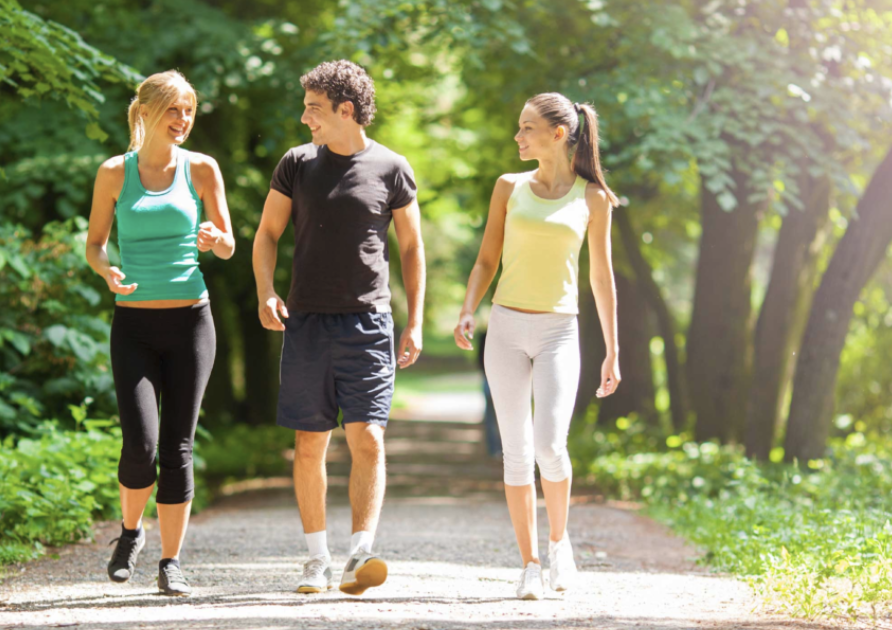
You do not need expensive gear, but a few well-chosen items can make a real difference to comfort. Shoes matter most. Look for a pair that fits well, with a little room for your toes to move, a firm heel hold, a flexible sole and enough cushioning to feel comfortable on the surfaces you use. Feet swell slightly through the day, so many shoe fitters suggest trying shoes on in the afternoon or evening.
Trainers designed for walking or running are a safe choice for most people, but there is no single best style. Choose according to your foot shape, the ground you will cover and how your feet feel after a test walk in the shop. If you have foot pain, flat feet, high arches, diabetes or past injuries, a podiatrist or a specialist shoe shop can offer personalized advice. Worn-out shoes are a common cause of aches, so replace them when the cushioning feels flat or the soles are clearly worn.
Socks deserve some thought. Cotton holds moisture and can cause blisters on longer walks, while socks made of wool or synthetic blends tend to keep feet drier. If you feel a hot spot developing, stop and deal with it early, using a plaster or blister pad, instead of hoping it will go away. Carrying a small supply for this purpose in a bag is a sensible habit.
Dress in layers so you can adjust as your body warms up. A walk that starts chilly often feels much warmer after ten minutes. In cold weather, protect your head, hands and ears, and in hot weather wear light, loose, breathable clothing, a hat and sun protection. A light waterproof jacket can mean the difference between skipping a walk in drizzle and enjoying it.
For anything beyond a short stroll, a small bag with water, a phone and a snack can be helpful. Keep it light so it does not strain your shoulders. A pair of walking poles, a pedometer or a smartwatch can all be useful, yet none of them is necessary, and you should avoid letting shopping for equipment replace actual walking.
Seasonal items such as a warm hat, gloves, a sun hat and a reflective band are worth gathering as the year changes. Buy them gradually as you find a need, and ask friends whether they have spare items to lend. A good rule is to spend money only after you have walked regularly for a few weeks, because by then you will know what you really lack.
Technique keeps every step comfortable
Most people already know how to walk, but a few small adjustments can make long walks more comfortable. Stand tall with your head up and eyes looking ahead rather than at your feet. Keep your shoulders relaxed and slightly back, and let your arms swing naturally, with elbows bent a little. Gently engaging your stomach muscles supports your back as you move.
Try to land on your heel and roll smoothly through to your toes, with a stride that feels natural. Overstriding, where your foot lands far out in front, can strain your shins and knees, so take slightly shorter and quicker steps if you want to walk faster. Increasing your pace usually works better by speeding up your steps than by lengthening them.
Warming up and cooling down need not be complicated. Start with a few minutes at an easy pace so your muscles and joints can adapt, then pick up speed if you wish. Finish with a few minutes of slower walking, followed by gentle stretches for your calves, thighs and hips if they feel tight. These steps can ease stiffness the following day, especially in the early weeks.
Variety makes walking more effective and more interesting. Hills and stairs raise the effort without needing a longer distance, and brisk intervals, such as two minutes fast followed by two minutes easy, are a gentle way to build fitness. Walking on softer ground, such as grass or a trail, is kinder to joints than hard pavement, though uneven surfaces call for care. If you have balance problems, choose flat and well-lit paths and consider walking with a friend.
Listen to your body as you build up. Mild muscle tiredness is normal, while sharp pain, swelling, chest discomfort, severe breathlessness or dizziness are not. If any of these appear, stop, rest and seek medical advice before continuing. Aches that linger for several days after walks are also worth mentioning to a doctor or physiotherapist.
Breathing deserves a word too. Breathe in a relaxed and steady rhythm, through your nose and mouth as feels natural, and let your breath settle after the first few minutes. If you notice yourself holding your breath or gasping, ease off a little until the rhythm returns.
Routines turn intentions into habits
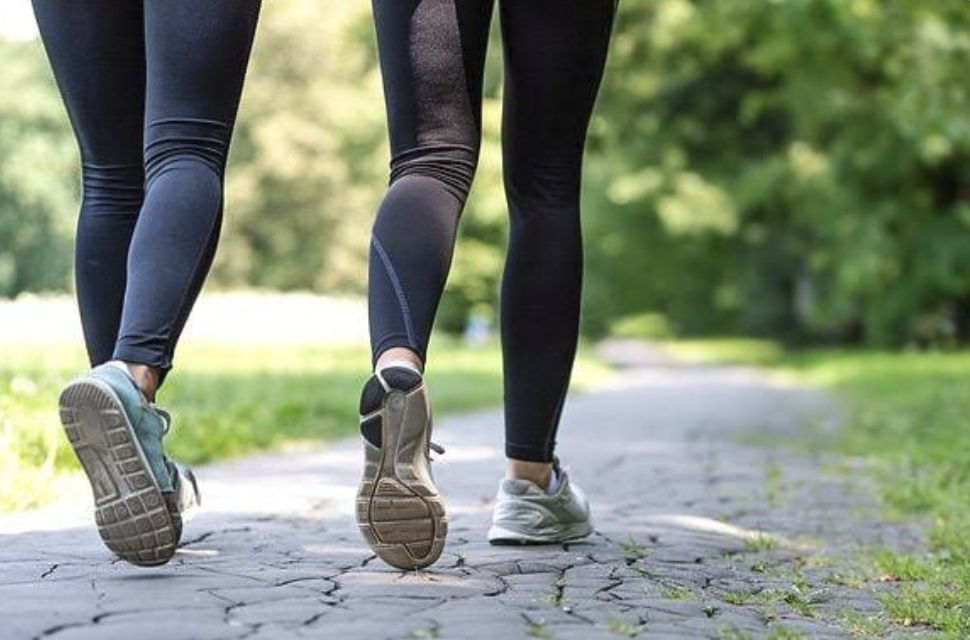
Motivation is unreliable, which is why habit experts keep stressing the value of routines. A habit forms when a behaviour is linked to a regular cue, such as a time, a place or another action. The easier the cue is to spot, the less effort it takes to get going. For walking, the best cues are things you already do each day.
Consider the moments that anchor your day. You could walk for ten minutes right after breakfast, as soon as you finish your last work call or straight after you put the kettle on in the evening. Some people leave the house one bus stop early on the way home, or park further from the entrance to the supermarket. The goal is to make the walk the next thing that happens, not something you decide on afresh every time.
It helps to remove obstacles ahead of time. Leave your walking shoes by the door, lay out clothes the night before and keep a spare jacket in the hall. If you walk in the morning, set an alarm that includes the time to get ready. If you plan to walk at lunchtime, put it in your calendar like a meeting so that other things do not crowd it out.
Walking with others adds accountability and enjoyment. A neighbour, a friend, a family member or a local walking group can turn a chore into something social, and you are less likely to cancel when someone is waiting for you. A dog is an excellent walking partner too, though only if you can commit to the animal’s needs. If you prefer solitude, use the time to listen to music, an audiobook or a favourite podcast, and save these treats for walks only so you look forward to them.
Another useful idea is to stack walking with tasks. Take phone calls while pacing, hold a walking meeting if your workplace allows it, or run errands on foot when the distance is reasonable. These small additions do not replace a dedicated walk, but they raise your total activity through the day, and sitting less is a benefit in its own right.
Safety depends on the route and the weather
Choosing where to walk matters as much as how. A safe route is well-lit after dark, has pavements or clear paths, and keeps you away from fast traffic. Parks, canal paths, quiet residential streets and local trails are popular options. Try a few and keep the ones that feel pleasant and secure, because a route you enjoy is a route you will repeat.
Visibility is crucial in low light. Wear bright or reflective clothing and carry a small torch or use a phone light when walking in the early morning or evening. Where there are no pavements, rules differ by country about which side of the road to walk on, so check your local guidance. Avoid wearing headphones at a volume that blocks out traffic or other warning sounds, and stay alert at crossings.
Tell someone where you are going if you walk alone in a quiet area, and carry a charged phone. Trust your instincts about places and people, and change your route if something feels wrong. Many people feel safer walking with others or at busier times of day, and that is a sensible choice rather than a weakness.
Weather affects comfort and safety. In heat, walk early or late in the day, drink water before and during the walk, and stop if you feel dizzy, sick or unusually tired. In cold weather, dress in layers and watch for ice, which can lead to nasty falls. In rain, wear shoes with decent grip and take care on wet leaves and painted road markings. If conditions are truly poor, an indoor option such as walking laps in a shopping centre, pacing in your home or following a video can keep the habit alive.
Finally, be careful with hydration and food. For walks under an hour, most people do not need special fuel, but a glass of water beforehand is wise. Longer walks may call for water and a small snack. People with diabetes or other conditions should follow the advice of their health team about food and medicines around exercise.
Motivation survives bad weeks with a plan
Every walker has weeks when life gets in the way, such as illness, travel, deadlines, family needs or simple boredom. The habit does not fail because of one missed day; it fails when a missed day becomes a missed week without a plan to return. Decide ahead of time what you will do when things go wrong.
A useful rule is never to miss twice. If you skip a walk, do the next one no matter what, even if it is a five-minute shuffle. This stops one lapse from turning into a pattern. Keep a short version of your walk ready for hectic days, such as a ten-minute loop, so that you still keep the thread of the habit.
Boredom is common after the first enthusiasm fades. Combat it by changing your route, trying a new park or town, visiting a place you rarely see or following a local heritage trail. Add a small purpose such as photographing something each day, noticing birds, collecting a new podcast episode or exploring a different street. Seasonal changes can make the same route feel fresh again.
Rewards help, provided they are sensible. A favourite coffee after a week of walks, a new playlist or time spent on a hobby can build positive feelings around the habit. Avoid rewards that cancel out your effort, such as a large treat every time, and avoid punishing yourself when you slip. Kindness toward yourself is more motivating than guilt.
Think, too, about the long view. Habits that last for years usually adapt as life changes: a new job, a move, children, retirement or a health setback may all call for a new route or time. Review your routine twice a year, ask whether it still fits, and give yourself permission to rebuild it rather than abandon it.
Pay attention to the benefits that matter to you. Many walkers notice better mood, calmer evenings, easier stairs or improved sleep well before any change on the scales. Writing down how you feel after a walk can reveal this gradually. When motivation dips, those notes remind you why you started.
How to track progress without obsessing
Tracking can keep you honest, but only if it helps rather than stresses you. A simple calendar with a tick for each walking day is enough for many people, and the growing chain of ticks becomes a quiet source of pride. Apps, watches and pedometers add detail, such as steps, distance, pace and heart rate, and they are useful if you enjoy numbers.
Whatever you track, review it once a week rather than checking constantly. Look at the total time or steps, notice which days worked best and decide on one small adjustment for the following week. If you hit your target easily for two or three weeks in a row, increase it slightly. If you struggle, lower it without shame and build up again.
Do not trust a device blindly. Step counts and calorie estimates from wearables are approximate, and they vary between products and between wrist, pocket and bag. Use them to compare your own weeks with each other, not to judge yourself against other people. Let the trend matter more than any single day.
The table below shows an example gentle plan for a beginner. Adjust the times to suit your fitness, and move more slowly if you need to. It is a pattern for building up rather than a strict programme, so repeat a week if it feels hard.
| Week | Walking time | Days per week | Pace and focus |
| 1 | 10 minutes | 4 to 5 | Easy, comfortable, learn the routine |
| 2 | 12 to 15 minutes | 5 | Easy, add a short warm-up |
| 3 | 15 to 20 minutes | 5 | Slightly brisker for the middle part |
| 4 | 20 minutes | 5 | Brisk pace where talking is still possible |
| 5 to 6 | 20 to 30 minutes | 5 | Add a hill or a few quicker bursts |
| 7 to 8 | 30 minutes | 5 | Brisk, with one longer weekend walk |
Over time you may wish to add variety, such as a longer weekend hike, a few strength exercises for your legs and core, or a walking group. Progress should feel steady and manageable. If you are ever unsure, a physiotherapist, practice nurse or qualified trainer can help tailor a plan for your body and your goals.
Older adults or people returning after illness may wish to progress even more slowly, adding only a couple of minutes each week. Balance and leg strength exercises, such as standing on one leg while holding a worktop, support safe walking as the years pass. Ask your health team which extra activities suit you best.
Final Thoughts
Start this week, and keep the first step small. Choose one cue, such as walking straight after lunch or before the evening news, and write it down. Put your shoes where you will see them, and decide on a ten-minute route you can follow without thinking. Tell a friend or family member about your plan so they can encourage you.
Do your first walks at an easy pace and pay attention to how your body responds. Some stiffness in the first days is normal, but pain that is sharp or worsening is not. If you have a medical condition, take regular medication, are pregnant, have not exercised for a long time or are worried about your health, speak to a doctor before beginning. They can advise you on safe levels of activity and any warning signs that should make you stop.
After two weeks, review how it is going. If you have walked on most of your planned days, add a few minutes or a little pace. If you have missed many days, make the walk shorter or move it to a time that suits you better. Adjusting the plan is not failure; it is how lasting habits are built.
Over the following months, aim to settle into a pattern that feels natural, using the weekly table as a guide and the gradual build as your protection against injury. Remember that the best walking habit is not the most impressive one but the one you can keep doing. Take that first short walk, and let the habit grow from there.
