


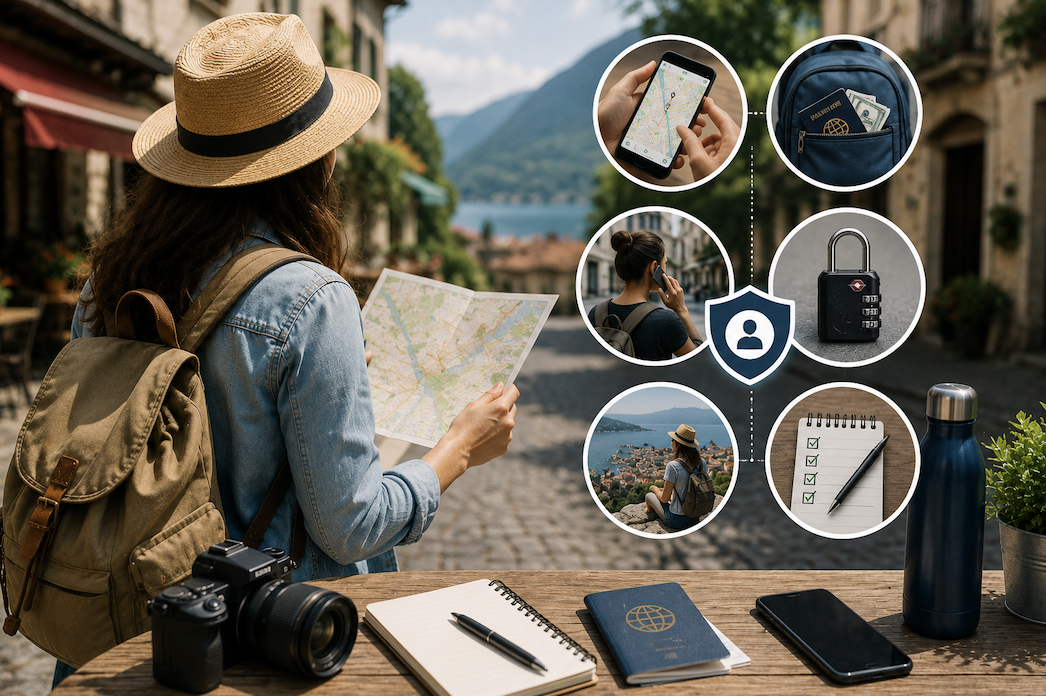
Traveling alone for the first time comes with a particular mix of excitement and nervousness. There’s genuine freedom in setting your own pace and answering to no one else’s schedule, but there’s also the reality that you don’t have a built-in travel companion to help navigate an unfamiliar situation if something goes wrong. The good news is that solo travel is genuinely safe for the vast majority of trips, and a handful of practical habits can make it even safer without taking away the freedom that makes it appealing in the first place.
Research Your Destination Thoroughly Before You Go
Understanding the general safety landscape of where you’re heading, common scams targeting tourists, neighborhoods or areas best avoided, especially at night, and any current travel advisories, gives you a realistic picture before you arrive rather than learning things the hard way once you’re there. Government travel advisory websites, often maintained by your home country’s foreign affairs department, provide reasonably reliable, regularly updated information on safety conditions for specific countries and regions.
Beyond official advisories, reading recent first-hand accounts from other solo travelers, particularly ones who share your gender or travel style, can offer practical, ground-level insight that official sources sometimes miss.
Share Your Itinerary With Someone You Trust
Before you leave, and throughout your trip, keep at least one person back home informed of your general plans, where you’re staying, what you’re doing, and roughly when they should expect to hear from you next. This doesn’t need to be an exact minute-by-minute schedule, but having someone aware of your general whereabouts means that if something genuinely goes wrong, someone notices sooner rather than much later.
Many solo travelers set up a simple daily check-in habit, a quick message each evening confirming they’re okay, which takes almost no effort but provides real peace of mind for both the traveler and the people back home.
Choose Accommodation With Safety in Mind
When booking where you’ll stay, look beyond price and location convenience to actual safety indicators. Reading recent reviews specifically for comments about the neighborhood’s safety, the security of the building itself, and how well-lit the surrounding area is at night can reveal information that photos and general descriptions won’t show you.
For solo travelers, especially those traveling in unfamiliar or higher-risk areas, accommodations with 24-hour front desk staff, secure key or keycard access, and positive recent reviews from other solo travelers tend to be worth the potentially higher cost compared to the cheapest available option.
Trust Your Instincts
This advice comes up constantly in solo travel discussions because it’s genuinely one of the most reliable safety tools available to you. If a situation, a person, or a place feels wrong, even if you can’t immediately articulate exactly why, it’s worth removing yourself from it rather than second-guessing the instinct out of politeness or a fear of overreacting.
This applies to accepting help from strangers, walking down an unfamiliar street that feels off, or continuing an interaction that’s made you uncomfortable. There’s no real downside to erring on the side of caution in these moments, even if it turns out your instinct was wrong.
Stay Aware of Your Surroundings, Especially With Technology
It’s tempting to navigate constantly with your phone out, headphones in, fully absorbed in music or a podcast, but this reduces your awareness of what’s happening around you, which matters more when traveling alone than when you have a companion who can help notice things you might miss. Look up periodically, keep at least one earbud out in unfamiliar areas, and try to project the confidence of someone who knows where they’re going, even in moments when you’re genuinely unsure, since appearing lost or distracted can make you a more visible target for petty theft or scams.
Keep Copies of Important Documents
Before you leave, make both physical and digital copies of your passport, any visas, travel insurance information, and emergency contacts. Store physical copies separately from the originals, and keep digital copies in a secure cloud storage account you can access from any device if needed. If your passport or other important documents are lost or stolen, having these copies readily available significantly speeds up the process of getting replacements or temporary travel documents through your embassy or consulate.
Be Selective About What You Share Publicly
Posting live, real-time updates about your exact location, particularly information suggesting you’re alone in an unfamiliar place, is worth reconsidering, especially on public social media accounts. Sharing your experiences is part of the fun of traveling for a lot of people, but delaying posts until after you’ve left a specific location, or keeping detailed location information limited to close contacts rather than public posts, reduces the risk of that information being used against you by someone with bad intentions.
Learn Basic Local Phrases and Emergency Information
Knowing how to ask for help, say you don’t understand, or communicate an emergency in the local language, even just a handful of key phrases, can make a real difference in a stressful situation. Before arriving, look up the local emergency services number, which varies by country, and the location and
contact information for your country’s nearest embassy or consulate, keeping this information easily accessible rather than needing to search for it in the moment you actually need it.
Consider Travel Insurance With Solid Medical Coverage
Travel insurance matters for any trip, but it takes on added importance when traveling alone, since you won’t have a travel companion to help manage a medical situation or coordinate care if something happens. Look specifically for a policy with meaningful medical coverage, including emergency evacuation if you’re traveling somewhere remote or with limited local medical infrastructure, rather than a bare-minimum policy focused only on trip cancellation.
Know That Most Solo Trips Go Completely Smoothly
It’s worth balancing all of this practical advice with a realistic perspective: the overwhelming majority of solo trips happen without any serious safety incident at all. These precautions exist to handle the exceptions, not because solo travel is inherently dangerous. Millions of people travel alone successfully every year, and the confidence, independence, and personal growth that come from solo travel are genuinely significant benefits worth pursuing, not something to avoid out of excessive caution.
Conclusion
Before your first solo trip, spend some time researching your specific destination, share your itinerary with someone you trust, choose accommodation with safety features that matter to you, make copies of your important documents, and get a travel insurance policy with solid medical coverage. Once you’ve covered these basics, the rest comes down to staying reasonably aware during your trip and trusting your instincts in the moment, which becomes far more natural after your first successful solo trip than it feels in the anticipation beforehand.
- You Might Be Curious: Budget Travel Tips for Visiting Europe!
Frequently Asked Questions
1. Is it safe for women specifically to travel alone?
Millions of women travel solo successfully every year, and with the same thoughtful precautions covered above, particularly researching destination-specific advice from other solo female travelers, solo travel is genuinely achievable and rewarding. Some additional considerations, like being more selective about accommodation and transportation choices in certain destinations, are worth researching specifically for your planned route.
2. How do I meet people while traveling alone if I want some social interaction?
Hostels with common areas and organized activities, free walking tours, and group day trips are all reliable ways to meet other travelers without compromising your independence. Many solo travelers find a comfortable balance between alone time and social time by joining group activities for portions of their trip while keeping the overall itinerary flexible and self-directed.
3. What should I do if I feel unsafe in a specific situation while traveling?
Trust that instinct immediately and remove yourself from the situation, heading toward a public, well-lit, populated area if possible. If you genuinely feel your safety is at risk, don’t hesitate to contact local emergency services, your accommodation’s staff, or your embassy for guidance, even if you’re not certain the situation is serious. It’s always better to have reached out unnecessarily than to have hesitated in a genuine emergency.
4. Should I tell strangers I’m traveling alone?
It’s generally wiser to be vague about your solo status with people you’ve just met, particularly in situations where you don’t yet have a good read on the person or the environment. This doesn’t mean being unfriendly, just being thoughtful about not volunteering information suggesting you’re alone and unfamiliar with the area to people you don’t know well.
5. Is it worth spending more on safer accommodation and transportation as a solo traveler?
In most cases, yes. The extra cost of accommodation with strong security features or a reputable transportation option over the cheapest available alternative is usually a small fraction of your total trip budget, and it meaningfully reduces genuine risk. This is one area where the relative extra expense is generally worth the peace of mind and added safety it provides.
6. How much research is actually necessary before a first solo trip?
Enough to feel genuinely informed without tipping into overwhelming anxiety. A few hours spent reading official travel advisories, recent solo traveler accounts, and basic safety information for your specific destination is typically sufficient. Over-researching every possible worst-case scenario tends to increase anxiety without meaningfully increasing actual safety beyond a reasonable baseline of preparation.
