


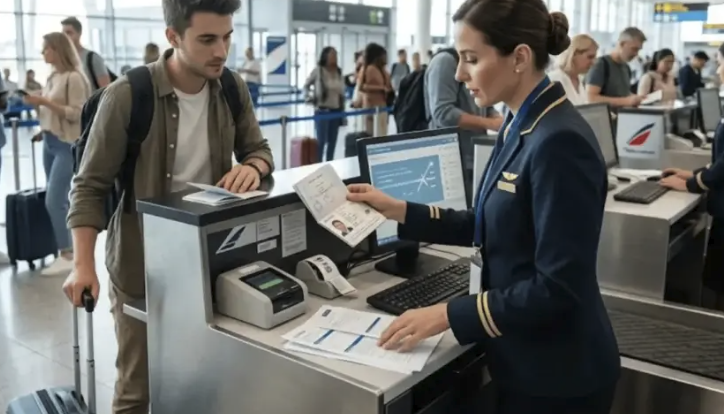
Airports can feel rushed and confusing, even for people who travel several times a year. A calm airport day comes from a few simple decisions made in advance, not from luck or speed.
In this article we will discuss how to prepare the night before, choose your arrival time, handle check-in and baggage, pass through security without delay, wait comfortably at the gate and board with confidence, along with what to do when plans go wrong.
Preparing the Night Before
The smoothest airport days begin the evening before. Open your airline’s booking confirmation and check the date, departure time, airport and terminal, and make sure the name on the ticket matches your passport or identification exactly. Look at the baggage allowance for your ticket type and weigh your bags at home, since airlines set different limits for weight and size and often charge for excess. Many airlines open online check-in a day or so before departure, so complete it if it is available and save your boarding pass to your phone, with a screenshot or printout as a backup.
Next, gather your documents. For international trips this usually means a passport that meets the entry rules of your destination, and many countries require a minimum validity period and blank pages. You may also need a visa, an electronic travel authorisation or proof of onward travel, and requirements differ by country and nationality. Official government travel advice pages and your airline are the reliable places to confirm them. For domestic trips, check which form of identification your country and airline accept.
Pack your carry-on with the security line in mind. Place liquids, gels and creams in a clear bag in the form your departure country requires, since many airports limit container sizes, but the exact limits differ, so check them. Keep laptops, tablets and large cameras where you can lift them out in seconds. Put chargers, headphones, medication and snacks in an outer pocket so that you are not digging through the bag at the gate.
Charge your phone, power bank and headphones fully before you leave. If you use a power bank, check the airline’s rules, since spare lithium batteries and power banks must normally travel in the cabin rather than in checked bags, and there are limits on capacity. Download any entertainment, maps, tickets and confirmations so that you can access them without a signal. Set two alarms, and leave your passport, wallet, keys and phone by the door.
Finally, plan the practical details of getting to the airport. Check public transport times, or arrange a taxi, shuttle or lift with a friend. Think about what you will eat before you go, because airport food is often expensive and queues can be long. A relaxed evening and a decent night of sleep are worth more than a last-minute packing marathon.
Finally, tell someone your plan. Share your flight details and expected arrival time with a family member or friend, and leave a copy of your itinerary and passport details with them. Take a photograph of your passport photo page and your travel insurance details and store it somewhere safe, such as a secure cloud folder or an email to yourself. If anything is lost or stolen on the trip, those copies make the next steps much easier, although they never replace the original documents.
Choosing When to Leave and How to Get There
Arrival time is one of the biggest factors in how stressful an airport day feels. Airlines publish guidance for how early to arrive, and a commonly recommended range is about two hours before a short domestic flight and about three hours before an international one. These figures are general rules of thumb, and your airline’s own advice for your airport takes priority. Busy holiday periods, early-morning peaks and large airports with long walks can all justify extra time.
Think about the stages of your journey, because each one can run long. You need to travel to the airport, find your terminal, drop bags if you have them, clear security, perhaps clear passport control, and walk to the gate. Boarding usually begins thirty to sixty minutes before departure, and gates often close about fifteen to forty minutes before take-off, depending on the airline and airport. Missing the cut-off can mean losing your seat, even if the plane is still at the gate.
Pick your transport based on reliability. Trains and metro lines with their own track are usually less affected by traffic, but check for engineering works and weekend timetables. If you drive, research parking in advance, as car parks may fill at busy times and shuttle buses add time at both ends. If you are using a ride-hailing service or taxi, allow for traffic and for the time it takes to reach the correct drop-off point.
Do not forget the terminal. Large airports may have several, and airlines can use different ones for domestic and international flights. Your confirmation email or airline app should state the terminal, though it can change, so check again on the morning of travel. Arriving at the wrong terminal can cost half an hour or more, depending on the shuttle connections.
Build a buffer, but do not turn it into a source of stress. Arriving very early means you can use lounges, shops and quiet seating, while arriving with barely enough time leaves no room for a queue or a missed turn. Many travellers find that the calmest approach is to leave a little earlier than they feel they need to, and to treat the extra time as a gift rather than a waste.
Think also about the people travelling with you. A group needs more time to move together, and children, older relatives or anyone with reduced mobility may need rest stops and a slower pace. If you need wheelchair assistance or help through the terminal, request it from the airline well before the day of travel, because it often has to be arranged in advance. Agree on a meeting point in case anyone gets separated, and make sure everyone has a copy of the flight details.
Check-In Options and Baggage Basics
Check-in is the point at which the airline confirms you are travelling and takes responsibility for any bags you hand over. You usually have several options: online or app check-in before you leave home, self-service kiosks at the airport, and staffed desks. If you have only a carry-on and have already checked in online, you may be able to go straight to security. Some international routes still require a document check at the desk, so read your airline’s instructions to see whether your trip is one of them.
If you are checking a bag, find the correct desk or bag-drop point for your airline and flight, and join the queue for your fare type. Weigh your bag at home, because limits differ by airline and ticket type and the extra charge for overweight bags can be high. Put a label with your name and contact details inside the bag as well as on the outside. Take a quick photograph of the bag so you can show staff what it looks like if it goes astray.
Keep valuables, medication, travel documents, chargers and a change of clothes in your carry-on rather than your checked bag. Items that are fragile, expensive or hard to replace should never travel in the hold, and you should check the airline’s rules for items such as sports equipment, musical instruments and mobility aids. If you travel with medication, a note from your doctor or the original packaging can help at security and customs, and rules about carrying medicine differ between countries. Ask your doctor or pharmacist if you are unsure.
Check what the airline hands back to you. Make sure the tag attached to your bag shows the correct three-letter airport code for your destination, and keep the baggage receipt until you have collected the bag at the other end. Confirm the boarding gate or when the gate will be announced, and check that your seat is assigned. If the airline is changing your seat or you need assistance, ask politely at check-in while the staff are still available.
The table below summarises the main check-in routes. Availability and rules vary by airline and airport. Use it to decide which route suits your trip before you leave home.
| Check-in method | Best for | Watch out for |
| Online or app check-in | Carry-on-only travellers who want to skip desks | Document checks that some routes still require |
| Self-service kiosk | Printing a boarding pass or bag tag quickly | Queues at busy times and unclear instructions |
| Staffed desk | Complex trips, special assistance or large items | Longer waits and earlier cut-off times |
| Bag drop | Passengers already checked in with a bag to hand over | Cut-off times that can be earlier than the gate closes |
Security Screening Without the Scramble
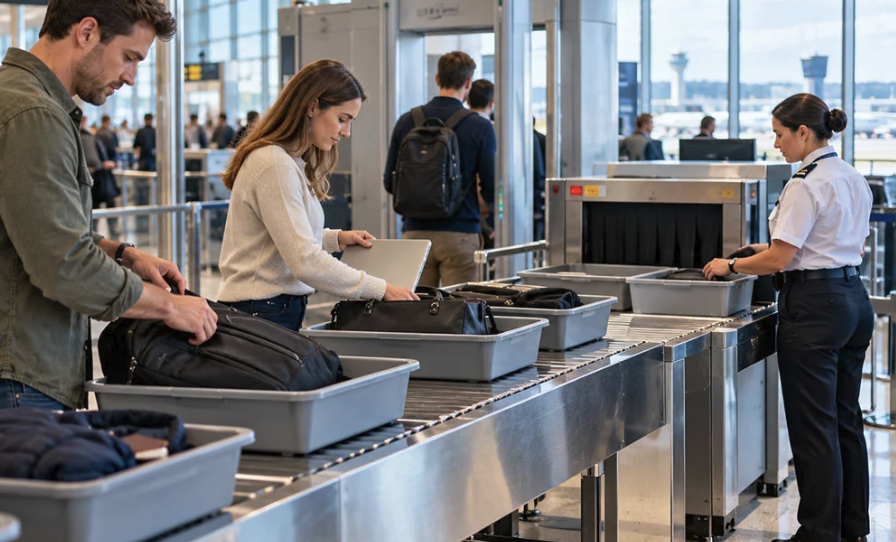
Security is the stage that worries most travellers, yet it becomes simple once you know the pattern. You will be asked to show your boarding pass, and in some places your identification, then place your belongings in trays to go through a scanner. Staff may ask you to remove coats, belts, shoes and items from your pockets, and the exact requirements differ by country and airport. Read the signs and listen to instructions, because rules can change from one airport to the next, even within the same country.
Prepare while you wait in line, not when you reach the trays. Take off your coat, remove your belt if it has a large buckle, and empty your pockets into your bag. Take out your laptop, tablet and liquids bag if your airport requires them to be scanned separately. Keep your boarding pass and identification in your hand, and keep your phone charged and ready if your pass is digital.
Know what cannot go in your hand luggage. Sharp objects, certain tools, large liquid containers and some sports items are commonly restricted in the cabin, while some items may be allowed in checked bags instead. Because the rules vary by country and can change, check the official transport or aviation security authority for your departure airport and for any connection. If you are unsure whether an item is allowed, leave it at home or pack it in the hold.
Wear sensible clothing. Slip-on shoes, simple jewellery and clothing with fewer metal fittings reduce the chance of an alarm or a secondary check. If you set off the scanner, staff may ask you to go through again or may carry out a pat-down, which you can usually ask to have done in private. Stay calm and polite, because staff are following procedures and the process is usually quick. If you have a medical device, implant, mobility aid or religious item, tell the officer before screening so that they can use the appropriate procedure.
After security, do not rush to repack in the middle of the walkway. Collect your items, move to a bench or a quiet corner, and put your belt, shoes and electronics back where you want them. Check that your laptop, phone, wallet and passport are all with you, and glance at the tray to make sure nothing has been left behind. A thirty-second check here can prevent the common mistake of leaving a laptop or jacket in a tray.
Finding the Gate and Using the Waiting Time
Once you are through security, find your gate before you do anything else. Look at the departure screens or the airline app, note your gate number and the time boarding starts, and then walk to the gate area to learn how long it takes. Large airports can have long distances and even train links between gates, so a gate that looks close on a map may take twenty minutes or more. If your gate has not been announced yet, check the screens regularly and set an alarm on your phone.
After you have located your gate, you can decide how to use the time. Eat a proper meal if you have not, because meals on board may be limited, and drink water, since cabins are dry. Buy a refillable water bottle if you have not packed one, and fill it after security from a fountain or tap if one is provided. Visit the toilets before boarding, as queues can form once an announcement is made.
Stay alert to changes. Gates can be reassigned, flights can be delayed, and boarding times can move forward or back. Keep the airline app open and notifications switched on, and listen to announcements, which can be hard to hear in a noisy hall. If you wander off to shop, return to the gate area at least forty-five minutes before the departure time, or earlier if the airline gives a different time.
Use the waiting period to take care of small jobs. Charge your devices at the charging points, set your phone to flight mode when the time comes, and check your messages. If you are travelling with children, find a quiet corner, let them move around, and keep the essentials, such as snacks, a change of clothing and favourite toys, in reach. If you need assistance, speak to the gate staff early, because boarding help is arranged before the general queue forms.
Respect the quiet and shared spaces. Keep your bags with you at all times, and report any unattended item to staff. Wear headphones if you want to listen to something, and keep your voice down if you are on a call. Small courtesies make the waiting hall a more pleasant place for everyone.
If you have a long wait, plan it instead of drifting. Walk a few laps of the concourse to loosen your legs, and stretch your shoulders and back before you sit for hours on the plane. Find out whether the airport offers a quiet room, a prayer room, a children’s play area or a lounge you can enter with a day pass, since facilities differ widely between airports. Check the cost and the opening hours before you commit, and compare them with simply sitting at the gate with a snack and a book.
Boarding Calmly and Settling In
Boarding is organised by groups, zones or rows, and the system differs from one airline to another. Listen for your group, check the number on your pass, and join the queue when it is called, not before. Standing near the desk early does not usually get you on the plane faster and can block those who have priority or need assistance. Have your boarding pass and any identification ready to scan, and keep your bag zipped so that nothing falls out.
When you reach the cabin, find your row and move into your seat quickly. Store your larger bag in the overhead locker above or ahead of your row, and put smaller items under the seat in front of you. Put aside the items you will need during the flight, such as headphones, a book, medication and a bottle of water, before you stow your bag. Be patient with others who are stowing luggage, because the aisle moves slowly during boarding.
Many airlines enforce cabin bag limits, and overhead space can run out on full flights. If staff offer to place your bag in the hold at the gate, take out valuables and essentials first. Never put a power bank, spare batteries or other items the airline says must stay in the cabin into a bag that goes to the hold. If you are unsure, ask a crew member.
Listen to the safety briefing even if you fly often, because aircraft layouts differ and the information is for your protection. Fasten your seatbelt as instructed, keep it loosely fastened when seated, and follow crew directions about seat position, tray tables and electronic devices. For comfort on long flights, stand and walk when the seatbelt sign allows, and drink water regularly. If you have a medical condition that affects flying, speak to your doctor before the trip, and see a doctor promptly if you feel unwell after a long journey, especially if you have leg pain or swelling or sudden shortness of breath.
Finally, settle into the journey. Adjust your seat, set up your entertainment, and let the crew know if you need anything. The hardest part of the airport day is behind you, and a few quiet minutes before take-off can help you relax. Keep your passport, arrival forms and any pen you need within reach, so that you are ready for the other end.
When Things Go Wrong
Even the best plan cannot control delays, cancellations, missed connections and lost bags. How you respond in the first minutes often shapes the outcome. For a delay or cancellation, check the airline app first, because it may offer rebooking options before the queue at the desk grows. If you cannot rebook online, go to the airline desk or call the contact number and ask politely for the options available.
Passenger rights and compensation rules differ by country and region, and they depend on the cause of the disruption and the airline. Some regions have formal rules that set out what airlines must provide, such as meals, accommodation or refunds, and others rely mostly on the airline’s own policy. Check the official consumer or transport authority in your country for the rules that apply, and keep your receipts for any costs you incur. Your travel insurance policy or credit card benefits may also help, so read the terms before you travel.
If you miss a connection, speak to the airline staff right away, ideally before leaving the transit area. When both flights were booked on one ticket, the airline is usually responsible for rebooking you, but separate tickets generally mean you are on your own. That is a good reason to leave generous connection times when you book, and to think carefully before booking two separate tickets on a tight schedule.
If your bag does not arrive, report it at the baggage services desk before leaving the airport. You will usually be asked to complete a form, and you should keep a copy and any reference number. Ask where to send the bag, what the airline will cover for essentials in the meantime, and how long the airline gives for filing a claim, which varies. Keep receipts for items you have to buy.
Throughout any disruption, stay calm and polite. Staff are managing many travellers at once, and a clear request often gets a better response than frustration. Charge your phone, keep your documents together, and inform anyone meeting you of the change. If a delay is long, ask whether you can have meals or a rest area, and consider whether a lounge pass or a nearby hotel would give you a better way to wait.
Final Thoughts: A Plan You Can Follow on the Day
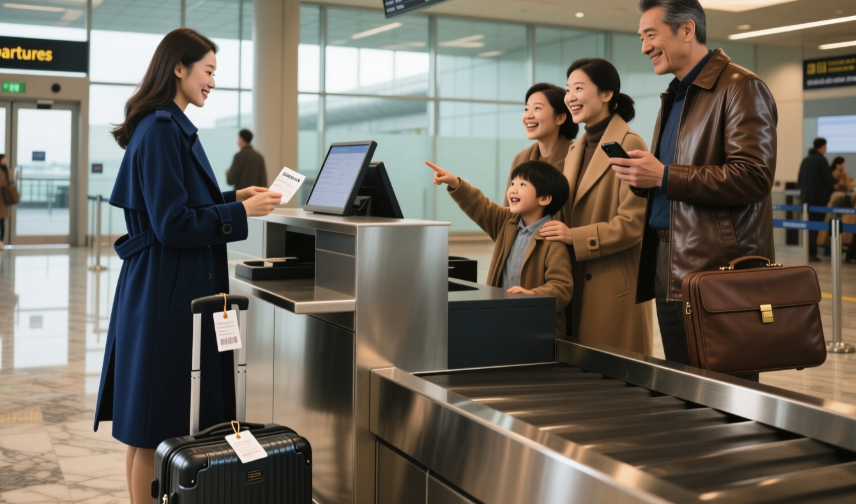
Bringing all of this together, think of your airport day as a series of small checkpoints. The night before, confirm the booking, check in online if you can, pack with security in mind, charge your devices and set your alarms. In the morning, check your flight status and your transport, and leave at the time you planned, with a buffer. At the airport, find the correct terminal and desk, drop your bag if you have one, and keep your documents in your hand.
At security, be ready before you reach the tray: coat off, liquids and electronics out, pockets empty. Collect your items and step aside to repack. Find your gate, then eat, drink and charge your devices. Keep an eye on the screens and your app, and be at the gate in good time for boarding.
When boarding is called, wait for your group, stow your bag, put your essentials where you can reach them and listen to the safety briefing. If something goes wrong, check the app, speak to the airline staff, and keep your receipts. Rules and procedures differ by airline, airport and country, so always give priority to the official guidance for your own trip. If you have a health condition, a disability or a special requirement, contact your airline in advance so that they can arrange assistance.
With a little preparation, an airport day becomes a routine task rather than an ordeal. The first few trips may feel slow, but each one teaches you something about your own pace. Over time, you will find your own rhythm and enjoy the start of the journey as much as the destination.
