


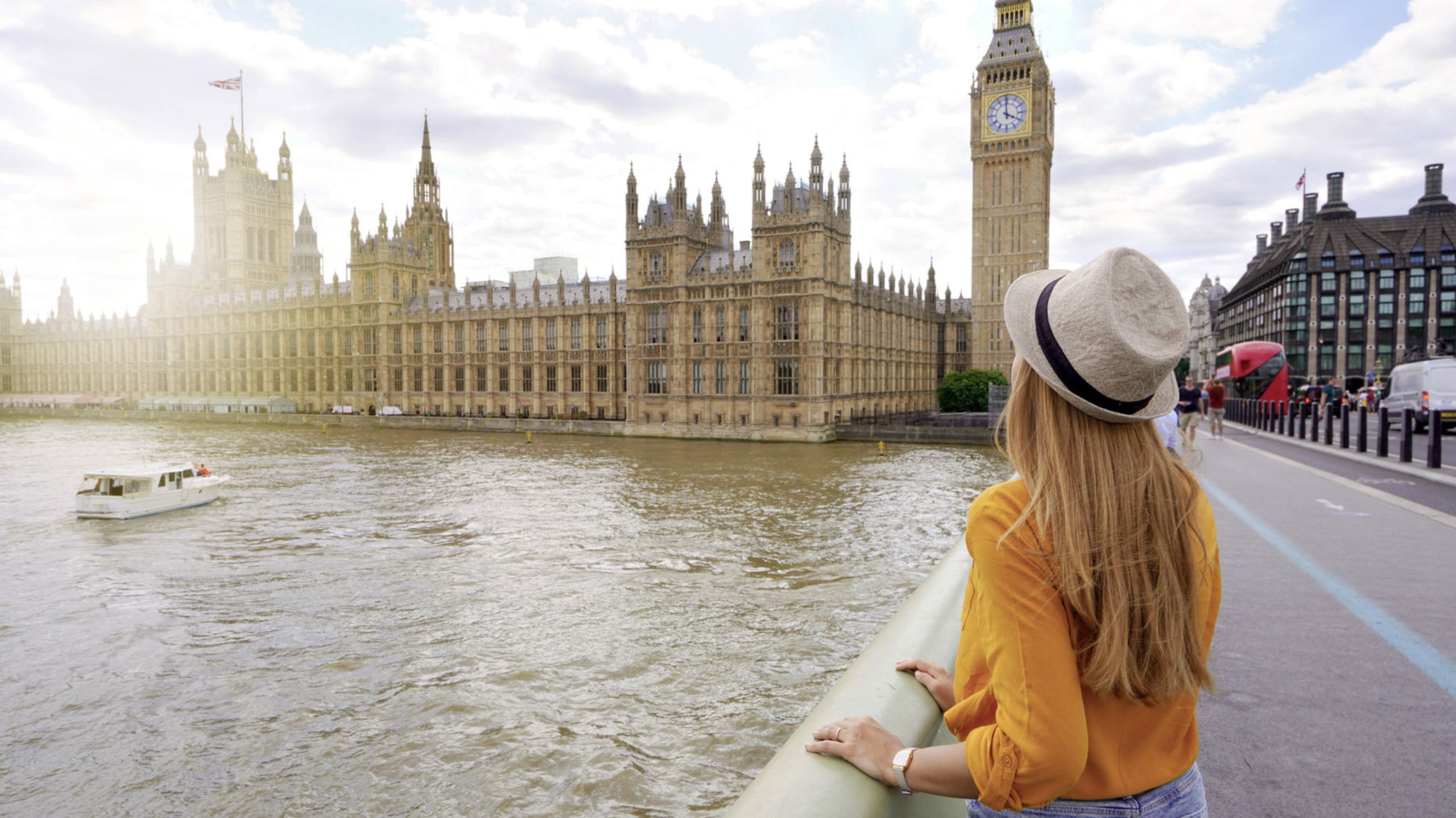
Solo travel for women has become dramatically more common over the past couple of decades, with countless women traveling independently and safely across the globe every single day.
That said, there are some additional considerations worth thinking through specifically, not because solo female travel is inherently dangerous, but because a bit of destination-aware planning and a few consistent habits can meaningfully reduce risk and increase overall comfort throughout a trip.
Research Destination-Specific Safety Information
Beyond general travel safety advice, looking specifically for information from other women who have traveled to your intended destination provides more relevant, practical insight than generic safety guidance alone.
Online communities and forums specifically focused on solo female travel often contain detailed, destination-specific advice, which neighborhoods to avoid, appropriate dress considerations, common scams targeting women specifically, that official travel advisories don’t always cover in the same practical detail.
This kind of peer research helps you form realistic expectations before arriving, distinguishing between destinations where solo female travelers report consistently positive experiences and those where extra caution or specific precautions are more commonly recommended by women who’ve actually traveled there themselves.
Choose Accommodation With Safety as a Real Priority
When selecting where to stay, reading reviews specifically through the lens of safety, comments about the neighborhood, the building’s security, staff responsiveness, and specifically looking for reviews from other solo female travelers, provides more relevant information than general star ratings alone.
Accommodations with twenty-four hour front desk staff, secure keycard access rather than simple physical keys, and a well-lit, populated location tend to offer meaningful additional peace of mind, particularly in unfamiliar cities.
Requesting a room that isn’t on the ground floor, where windows or doors might be more accessible from outside, and one that isn’t directly next to a stairwell or fire exit, where foot traffic and unfamiliar people passing by are more frequent, are small, specific requests that many hotels will accommodate without any issue when asked.
Trust Your Instincts Without Second-Guessing Them
This advice appears constantly in solo travel discussions precisely because it holds up so consistently as one of the most reliable safety tools available. If a specific situation, person, or place feels wrong, even without a clear, articulable reason, removing yourself from it rather than staying out of politeness or a fear of seeming rude is almost always the right call.
Women in particular sometimes report feeling social pressure to avoid appearing impolite even when their instincts are signaling discomfort, and consciously overriding that social pressure in favor of your own instinct matters considerably for staying safe.
Be Strategic About What You Share With Strangers
New acquaintances, taxi drivers, fellow travelers, people you meet at a bar or cafe, don’t necessarily need to know you’re traveling entirely alone, especially early in an interaction before you’ve had a chance to assess the situation.
Some experienced solo female travelers develop a habit of mentioning a fictional travel companion, someone meeting them shortly or waiting back at the hotel, specifically as a way to avoid signaling that they’re navigating an unfamiliar place without anyone else aware of their specific whereabouts.
This isn’t about assuming the worst of everyone you meet, most people you’ll encounter while traveling are perfectly and well-intentioned, but rather a low-cost precaution that removes one potential vulnerability without requiring you to become unfriendly or closed off during your travels.
Dress With Cultural Awareness
Researching general dress norms and expectations for your specific destination, particularly for more conservative regions or when visiting religious sites, helps you avoid unwanted attention that can sometimes result from clothing that stands out significantly from local norms.
This isn’t about compromising your own style entirely or suggesting that any specific clothing choice is somehow responsible for unwanted attention, but rather a practical acknowledgment that blending in reasonably well with local dress customs in unfamiliar destinations tends to reduce the amount of unwanted attention you attract, particularly in more conservative areas.
Keep Someone at Home Informed of Your Itinerary
Sharing your general travel plans, accommodation details, and rough daily itinerary with a trusted friend or family member back home, along with a simple daily check-in habit, means someone notices relatively quickly if something is wrong.
This doesn’t require sharing an exact minute-by-minute schedule, but having someone aware of your general whereabouts and expecting regular contact provides a meaningful safety net that costs very little effort to maintain throughout a trip.
Consider Timing When Moving Around Unfamiliar Areas
Being more cautious about walking alone late at night, particularly in unfamiliar areas without much foot traffic or lighting, and researching in advance which neighborhoods or areas are considered less safe after dark, helps you plan your daily activities with a reasonable awareness of timing.
This doesn’t mean avoiding evening activities entirely, but rather being thoughtful about transportation choices for returning to accommodation after dark, using a reputable rideshare or taxi service rather than walking through unfamiliar or poorly lit areas alone late at night.
Learn Basic Self-Defense Awareness
While extensive self-defense training isn’t a requirement for safe solo travel, understanding basic situational awareness, walking confidently, staying aware of your surroundings rather than being absorbed in your phone, knowing how to project confidence even when you don’t necessarily feel it internally, provides a meaningful layer of protection.
Some women also choose to take a basic self-defense class before a significant trip, which can provide both practical skills and a boost in confidence that carries through the rest of the travel experience.
Use Technology as a Safety Tool
Location sharing features built into most smartphones allow trusted contacts to see your real-time location, providing an additional layer of security beyond simply checking in periodically. Downloading offline maps for your destination before arrival ensures you can navigate confidently even without reliable data access, reducing the vulnerability that comes with looking visibly lost or confused while trying to figure out directions in an unfamiliar area.
Keeping your phone adequately charged, and carrying a portable charger for longer days away from your accommodation, ensures these safety tools remain available throughout the day rather than becoming unavailable exactly when you might need them most.
Connect With Other Travelers When It Feels Right
Many solo female travelers find that occasionally joining group activities, a walking tour, a cooking class, staying in accommodation with common social spaces like many hostels offer, provides both a enjoyable social element to solo travel and an added layer of safety that comes from being around other people, at least for portions of a trip.
This doesn’t mean abandoning the independence that makes solo travel appealing in the first place, but rather recognizing that solo travel doesn’t need to mean being entirely alone every single moment of every single day.
Trust That Most of Your Trip Will Go Smoothly
It’s worth balancing all of this practical guidance with perspective: the overwhelming majority of solo female travel happens without any serious safety incident at all, and millions of women travel independently and safely every single year.
These precautions exist to address the exceptions and provide reasonable additional peace of mind, not because solo female travel carries some inherent, overwhelming danger that should discourage anyone from pursuing it.
Conclusion
Confidence in solo travel, much like most skills, builds with experience. A first solo trip, approached with reasonable preparation and the habits covered here, tends to feel considerably less daunting than anticipated, and each subsequent trip typically builds further comfort and intuition about navigating unfamiliar places independently and safely.
The independence, self-reliance, and sense of accomplishment that come from solo travel are significant benefits well worth pursuing thoughtfully rather than avoiding out of excessive caution.
Frequently Asked Questions
Are there specific destinations considered especially good for first-time solo female travelers?
Many solo female travel communities frequently recommend destinations with well-established tourism infrastructure, generally low crime rates, and a strong existing culture of independent travel as good starting points for building confidence before venturing to more remote or less commonly visited destinations. Researching current, specific recommendations from these communities provides more up-to-date and relevant guidance than a fixed general list, since safety conditions and traveler experiences can shift over time.
Is it safe to use rideshare apps as a solo female traveler in an unfamiliar country?
Reputable rideshare apps generally offer a safer option than hailing an unmarked taxi on the street, since they provide driver identification, trip tracking, and a recorded record of the journey. Confirming the app operates reliably in your specific destination beforehand, and verifying the vehicle and driver match the app’s information before getting in, are reasonable additional precautions regardless of which specific service you’re using.
Should I tell people I meet that I’m a solo traveler?
This is a judgment call based on the specific situation and how much you’ve been able to assess a new acquaintance’s trustworthiness. Many experienced solo female travelers are selectively cautious early in an interaction, particularly with people they’ve just met, while being more open once they’ve had a chance to get a sense of the situation and the specific person involved.
How do I handle unwanted attention or harassment while traveling alone?
Reacting calmly but firmly, removing yourself from the situation toward a public, populated area, and seeking help from nearby staff, security, or other people if needed, are generally more effective than escalating a confrontation directly. Trusting your instincts about when a situation requires this kind of response, rather than waiting to be certain something is wrong, tends to lead to better outcomes than hesitating.
Does traveling with a companion for at least part of a trip make sense even if I generally prefer solo travel?
Many women blend approaches, traveling solo for portions of a longer trip while joining organized tours, meeting up with other travelers, or coordinating overlapping visits with friends for other portions. This hybrid approach lets you enjoy the independence of solo travel while still incorporating some social connection and added safety during specific segments where that feels more appropriate for your comfort level.
