


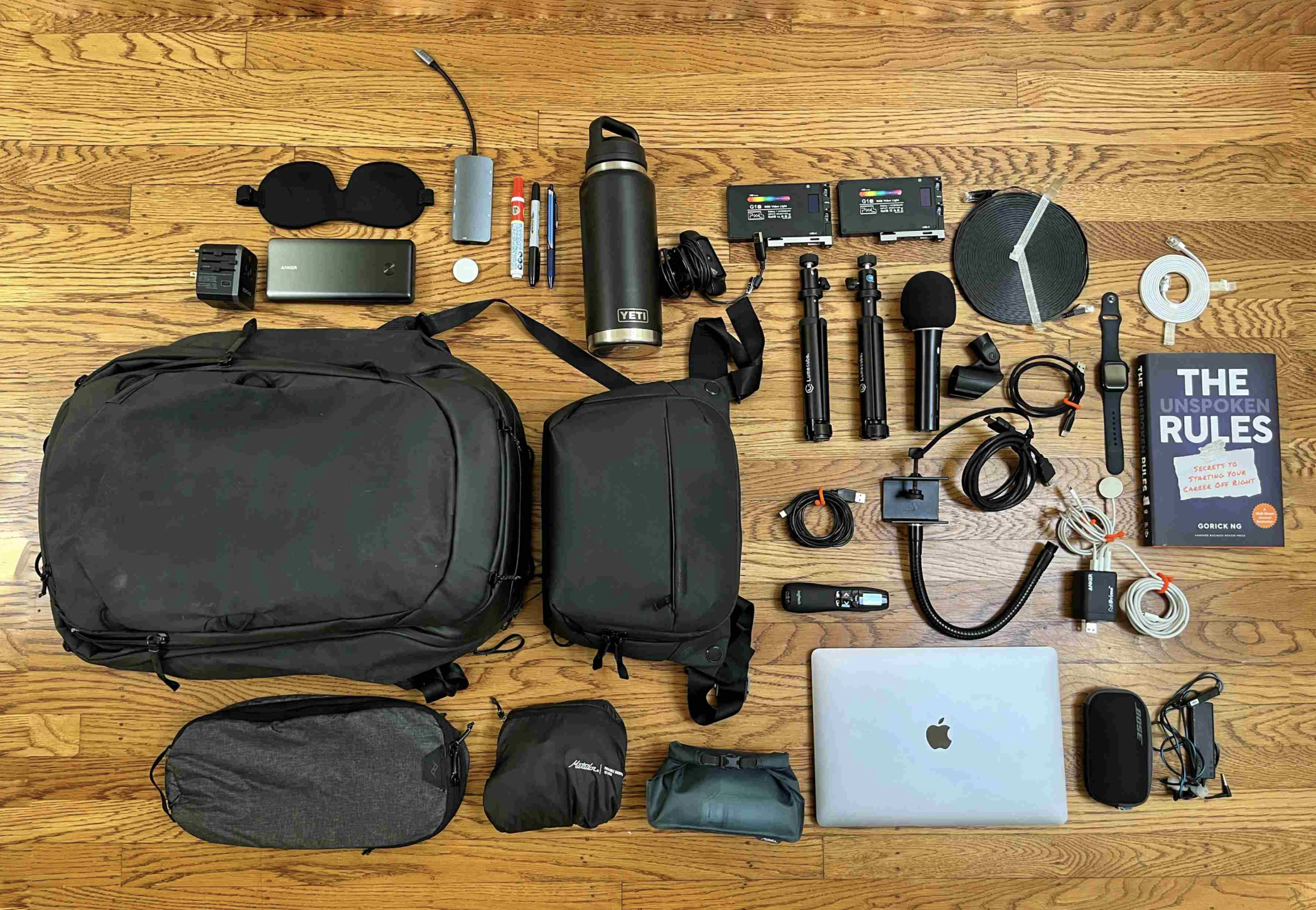
A travel backpack is one of those purchases that seems simple until you actually start comparing options and realize how much variation exists between models that look nearly identical in photos. Capacity, structure, harness design, and a dozen smaller details all combine to determine whether a bag becomes a trusted companion across years of trips or an uncomfortable mistake you regret by the second day of your first journey with it. Taking the time what actually matters before buying saves both money and the frustration of discovering a bag’s shortcomings only after you’re already halfway across the world.
Start By Defining Your Travel Style
Before comparing specific models, it helps to be honest about how you actually travel, since the right backpack for a backpacker moving between hostels every few days looks quite different from the right bag for someone flying to a single city and staying at hotels for a week. If your trips typically involve frequent movement, catching trains, walking to new accommodations, navigating unfamiliar streets, a bag designed for comfort during extended carrying matters far more than it would for someone whose bag mostly sits in a hotel closet between arrival and departure.
Similarly, think honestly about the kind of terrain you’ll encounter. Cobblestone streets, staircases without elevators, and unpaved paths all favor a backpack over a rolling suitcase, since wheels struggle on uneven surfaces in ways that shoulders simply don’t.
If most of your travel involves smooth airport floors and paved city sidewalks, a hybrid design with both wheels and backpack straps might serve you better than a pure backpack built primarily for rugged use.
Capacity and Why Bigger Isn’t Always Smarter
Backpack capacity is measured in liters, and the range most useful for general travel spans roughly thirty to fifty liters, depending on trip length and personal packing habits. A common mistake among first-time buyers is assuming a larger bag automatically offers more flexibility, when in practice extra capacity frequently just becomes extra weight, since most people naturally fill whatever space is available rather than packing only what they need.
A bag in the thirty-five to forty-five liter range typically satisfies most travelers planning trips from a long weekend up through several weeks, provided they’re willing to do laundry along the way rather than packing a fresh outfit for every single day.
Choosing a smaller capacity than feels comfortable at first can actually be a useful forcing function, pushing you toward more disciplined packing habits that ultimately make travel considerably less burdensome.
Prioritize Harness and Back Panel Design
The single feature that separates a comfortable travel backpack from an ordinary one is how weight gets distributed across your body. A well-designed harness system transfers the majority of a loaded bag’s weight onto your hips rather than your shoulders, since your hip bones and surrounding muscles can bear substantially more load over extended periods than your shoulders and upper back alone.
Look specifically for a padded hip belt with some structural rigidity, rather than a thin strip of fabric that offers minimal actual support. A back panel with some ventilation channels or mesh padding helps reduce the sweating that inevitably comes with carrying a loaded pack, particularly in warmer climates.
Adjustable torso length, allowing the bag’s frame to be customized to your specific body proportions rather than a generic average, matters considerably more than most first-time buyers realize until they’ve experienced the difference between a properly fitted bag and one that simply approximates their size.
Consider How the Bag Opens
Traditional backpacks typically open from the top only, meaning you often need to dig through the entire main compartment to reach something packed near the bottom. Many travel-specific backpacks instead use a clamshell or suitcase-style opening, unzipping fully across one entire panel so the bag opens flat like a piece of luggage, providing much easier access to your belongings without the frustrating excavation a traditional top-loading design requires.
This design choice matters more than it might initially seem, particularly during airport security screening or when quickly grabbing a specific item without wanting to unpack half your bag in the process. Once you’ve experienced the convenience of a fully opening main compartment, going back to a traditional top-loading design tends to feel limiting by comparison.
Check the Carry-On Compliance for Your Preferred Airlines
If avoiding checked luggage fees and baggage claim waits matters to your travel style, confirming that a specific backpack’s dimensions comply with carry-on restrictions for the airlines you fly most often becomes an important consideration before purchasing. These size limits vary meaningfully between full-service carriers and budget airlines, with budget carriers often enforcing noticeably stricter dimensions and being more aggressive about charging fees for bags that exceed their specific limits.
Many travel backpacks are specifically marketed as carry-on compliant, though it’s worth verifying the exact dimensions against your specific airlines’ published requirements rather than trusting a general marketing claim alone, since compliance standards aren’t perfectly uniform across every carrier worldwide.
Evaluate Build Quality and Material Durability
A travel backpack endures considerably more wear than an everyday bag, being thrown into overhead compartments, dragged across rough surfaces, exposed to rain, and generally subjected to the accumulated abuse of repeated travel over months or years. Fabric weight, measured in denier, provides one useful indicator of durability, with higher denier ratings generally indicating a tougher, more abrasion-resistant material, though this often comes with a corresponding increase in overall bag weight.
Beyond the main fabric itself, examine zipper quality closely, since zippers are frequently the first component to fail on lower-quality bags. Sturdier zippers with larger teeth and reinforced pull tabs tend to hold up considerably better over years of daily use than the thinner, more delicate zippers found on cheaper alternatives.
Stitching at stress points, where straps attach to the main body, corners, and other areas bearing concentrated weight, deserves similar scrutiny, since reinforced bar-tacking at these junctions indicates a manufacturer has considered long-term durability rather than simply meeting a minimum construction standard.
Think About Organization Features
Internal organization varies considerably between backpack models, and the right level of compartmentalization depends heavily on your personal packing style. Some travelers prefer numerous smaller pockets and dedicated compartments for specific categories of items, while others find this same feature frustrating, preferring a more open main compartment they can organize themselves using packing cubes according to their own preferred system.
A dedicated laptop sleeve, ideally padded and positioned against the back panel where it’s protected from impact, has become nearly essential given how many travelers now carry a laptop or tablet. External or easily accessible pockets for items you’ll need quickly, a passport, headphones, a phone charger, without needing to open the entire main compartment, add convenience during actual travel days when quick access matters considerably more than it does while the bag sits in a hotel room.
Weigh the Bag Itself Before You’ve Packed Anything
An often overlooked consideration is a backpack’s own weight before you’ve added a single item to it. Some travel backpacks, particularly those built with substantial frame structures and abundant organizational features, can weigh several pounds empty, which directly subtracts from your total available carry-on weight allowance if you’re flying with an airline that enforces strict overall weight limits rather than simply size restrictions.
For travelers prioritizing minimalist packing, lightweight travel, seeking out bags specifically marketed around reduced weight, sometimes sacrificing some structural rigidity or organizational features in exchange, might align better with their priorities than a heavier bag loaded with amenities that ultimately reduce how much actual clothing and gear they can bring within their weight allowance.
Test the Fit in Person When Possible
While online shopping offers convenience and often better pricing, physically trying on a backpack, ideally loaded with some approximate weight similar to what you’ll actually be carrying, provides invaluable information that specifications and reviews alone can’t fully convey.
Visiting an outdoor gear or travel specialty retailer that stocks multiple brands allows you to compare how different harness systems actually feel against your specific body shape, since torso length, hip width, and shoulder structure all vary enough between individuals that a bag praised extensively in reviews might still feel noticeably wrong for your particular proportions.
If purchasing online is your only realistic option, paying close attention to a retailer’s return policy becomes considerably more important, ensuring you have a opportunity to test the bag at home, loaded with actual travel items, before committing to a purchase you can no longer return.
Consider Security Features If Relevant to Your Destinations
Depending on where you’re traveling, certain security features become worth prioritizing, lockable zipper pulls that prevent casual opportunistic theft, slash-resistant fabric or hidden wire mesh woven into the material to deter someone attempting to cut through the bag, and a back panel design that keeps the main compartment against your body rather than accessible from behind while worn.
These features matter considerably more for travelers visiting destinations with known pickpocketing concerns than for those primarily moving between well-secured accommodations and low-risk environments, so weighing this against your specific planned destinations helps determine how much priority these particular features deserve in your decision.
Don’t Underestimate Color and Aesthetic Considerations
While seemingly less important than the functional considerations above, color choice carries some practical implications worth a brief mention. Lighter colored bags show dirt and stains considerably more visibly than darker options, which matters over months of regular use in varied, often less than pristine environments.
Extremely distinctive or expensive-looking bags can also draw unwanted attention in certain contexts, while more designs tend to blend in more easily, a minor consideration but one occasionally worth factoring into an otherwise primarily functional decision.
Budget Considerations and Long-Term Value
Quality travel backpacks span a considerable price range, and while the most expensive options aren’t automatically the best choice for every traveler, extremely cheap bags frequently sacrifice exactly the durability and comfort features that matter most for extended, repeated use. Thinking about cost per trip, or cost per year of anticipated use, rather than focusing purely on the upfront purchase price, often reveals that a moderately priced bag built to last considerably outperforms a cheaper option requiring replacement after a single significant trip or two.
For occasional travelers taking one or two trips annually, a more modest investment makes reasonable financial sense. For frequent travelers logging dozens of trips across several years, investing in excellent construction and comfort features tends to pay for itself many times over through both durability and the meaningfully improved daily experience of actually carrying the bag comfortably across countless travel days.
Conclusion
After considering capacity, harness design, opening style, durability, organization, weight, and any relevant security features specific to your travel patterns, narrow your options down to two or three finalists rather than continuing to research indefinitely in pursuit of some theoretically perfect bag that doesn’t actually exist.
Reading detailed reviews from people who’ve used a specific bag across extended real-world travel, rather than relying solely on manufacturer marketing descriptions, provides valuable insight into how a bag performs once the initial newness has worn off and wear has begun to reveal any hidden weaknesses.
Ultimately, the right backpack is the one that matches your specific travel style, fits your particular body comfortably, and holds up reliably across the kind of trips you actually plan to take, rather than whichever model currently enjoys the most enthusiastic online praise or carries the most prestigious brand name. Taking the time to understand your own priorities before shopping transforms what could be an overwhelming decision into a straightforward process of matching known criteria against available options.
Frequently Asked Questions
What size backpack works best for a two-week trip?
Most travelers find something in the forty to forty-five liter range comfortable for a two-week stretch, assuming a willingness to wash clothing partway through rather than packing an entirely fresh outfit for every single day. Climate matters here too, since a trip requiring bulkier cold-weather layers naturally demands more room than one spent in a consistently warm destination where lighter fabrics dominate the packing list.
Is a rolling suitcase ever a smarter choice than a backpack?
Absolutely, particularly for travelers whose itineraries involve mostly hotel stays, smooth pavement, and elevator access rather than staircases or uneven ground. A wheeled bag spares your shoulders and back entirely, which matters for anyone with existing back issues or simply a preference for pulling rather than carrying. The backpack format earns its reputation specifically in scenarios involving rougher terrain, frequent movement between accommodations, or a need to keep both hands free.
How much should I expect to spend on a quality travel backpack?
Pricing spans an enormous range, and while premium options exist with correspondingly premium price tags, plenty of mid-range choices deliver excellent harness comfort, durable materials, and thoughtful organization without reaching the top end of the market. Rather than fixating on a specific dollar figure, focus on whether a given bag’s construction, warranty, and reviews suggest it will hold up across the number of trips you realistically anticipate taking.
Do I really need a separate daypack in addition to my main travel backpack?
Many experienced travelers find a compact, foldable daypack useful for day trips, museum visits, or simply exploring a city without lugging the entire main bag around. Some travel backpacks even include a detachable daypack as part of the overall system, offering flexibility without requiring you to purchase and pack an entirely separate item.
Can I use a hiking backpack for general travel instead of buying something travel-specific?
It’s possible, since many features overlap, supportive harness systems, durable fabric, weather resistance, but hiking packs are generally designed around top-loading access and external attachment points for gear like sleeping bags or trekking poles, features less useful for typical travel. A travel-specific design with a clamshell opening and organizational pockets suited to clothing and electronics tends to serve general trips more practically than a pack built primarily with wilderness trekking in mind.
What’s the realistic lifespan of a well-made travel backpack?
With reasonable care, a well-constructed bag can easily last five to ten years or more of regular use, sometimes considerably longer depending on how frequently it travels and how roughly it’s handled along the way. Zippers and load-bearing seams tend to be the first components to show wear, so a bag offering a strong warranty or straightforward repair options often ends up being a better long-term value than one with a shorter guarantee, even at a similar upfront price.
Should I prioritize a specific brand, or does that matter less than the features themselves?
Reputation can serve as a useful shortcut when comparing unfamiliar options, since established brands generally have a track record of consistent quality control and accessible customer support if something goes wrong. That said, plenty of lesser-known manufacturers produce excellent bags, and relying purely on brand recognition without examining the actual construction details, harness design, and material quality risks overlooking a better-suited option simply because it isn’t as widely advertised.
