


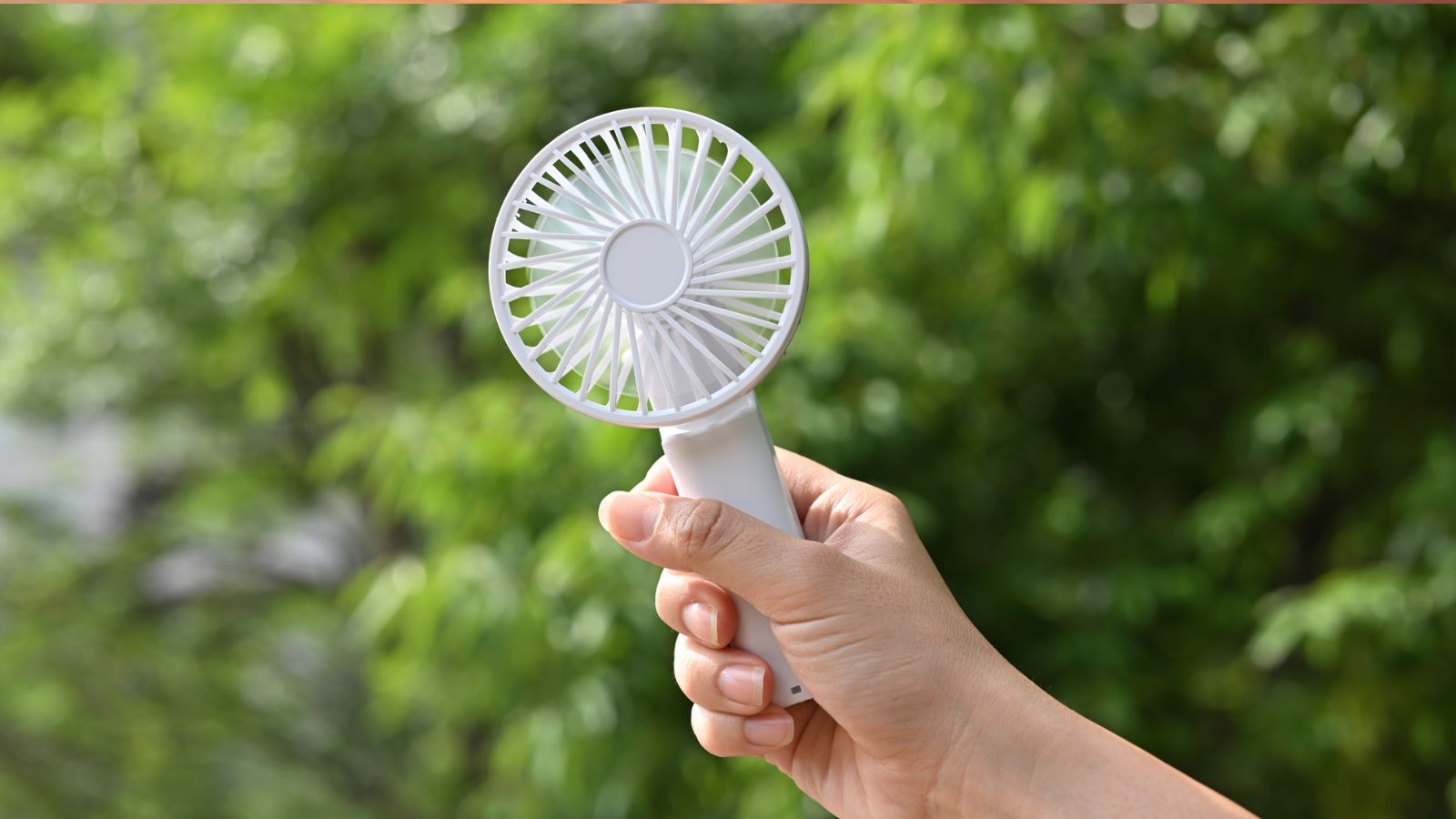
A small fan is a compact and portable cooling device designed to improve airflow and provide personal comfort in homes, offices, dorm rooms, cars, and outdoor spaces. Unlike large ceiling or pedestal fans, small fans are lightweight, energy-efficient, and easy to carry, making them an ideal choice for people who need cooling on the go.
What Is a Small Fan?
A small fan is a portable electric fan designed to circulate air within a limited area. Instead of cooling an entire room, it focuses airflow directly toward the user, creating a refreshing breeze.
Most small fans are powered by one of the following:
- USB connection
- Rechargeable battery
- Disposable batteries
- Standard electrical outlet
Because of their compact size, they fit easily on desks, bedside tables, kitchen counters, and travel bags.
Different Types of Small Fans
Small fans come in several designs to suit different needs.
USB Fans
USB fans connect to laptops, power banks, desktop computers, or USB wall adapters. They are popular for office use because they consume very little electricity.
Rechargeable Fans
Rechargeable fans include built-in lithium-ion batteries that can operate for several hours on a single charge. Many support USB-C charging for added convenience.
Battery-Operated Fans
These fans use replaceable AA or AAA batteries and are useful during power outages or outdoor activities.
Handheld Fans
Handheld fans are lightweight and designed for personal use while walking, traveling, or attending outdoor events.
Clip-On Fans
Clip-on models can attach to desks, shelves, baby strollers, bicycles, gym equipment, or beds, providing hands-free cooling.
Desk Fans
Desk fans are slightly larger and offer stronger airflow, making them ideal for home offices and study areas.
Mini Tower Fans
Mini tower fans provide wider air distribution while occupying minimal desk or floor space.
Benefits of Using a Small Fan
Small fans offer numerous advantages over larger cooling devices.
Some key benefits include:
- Lightweight and portable
- Energy-efficient operation
- Affordable price
- Easy to store
- Quiet performance
- Suitable for travel
- Lower electricity consumption
- Available in many styles and sizes
For people living in warm climates, a small fan can provide quick personal cooling without significantly increasing electricity bills.
How Does a Small Fan Work?
A small fan operates using an electric motor that rotates lightweight blades at high speed.
The spinning blades pull air from behind the fan and push it forward, creating airflow that helps sweat evaporate more quickly from the skin. This evaporation creates a cooling sensation, even though the fan does not actually lower the room’s temperature.
Modern fans often include:
- Brushless motors
- Multiple speed settings
- Oscillation features
- Adjustable tilt angles
- Rechargeable batteries
- Smart controls
These features improve both comfort and efficiency.
Common Uses for Small Fans
Small fans are versatile and can be used in many situations.
Popular applications include:
- Home offices
- Bedrooms
- Study rooms
- Kitchens
- Dorm rooms
- Cars
- Camping trips
- Outdoor sports
- Hiking
- Beach vacations
- Gyms
- Workshops
Many people also keep a rechargeable fan in their emergency kit for use during power outages.
How to Choose the Best Small Fan
Selecting the right fan depends on your specific needs.
Consider the following factors before buying:
Airflow
Choose a fan with sufficient airflow for your intended use. Larger blades generally produce stronger airflow.
Battery Life
If you need portability, select a rechargeable model with long battery life.
Noise Level
Quiet fans are ideal for bedrooms, offices, and study environments.
Fan Size
Compact fans are easier to carry, while slightly larger models usually provide better cooling.
Speed Settings
Multiple speed options allow you to customize airflow according to weather conditions.
Portability
Look for lightweight designs with folding handles or carrying straps if you travel frequently.
Build Quality
Durable materials ensure a longer lifespan and better performance.
Small Fan vs. Large Fan
Choosing between a small fan and a large fan depends on your cooling needs.
Small fans are best for personal cooling, portability, and energy efficiency. They work well in offices, bedrooms, and while traveling.
Large fans are better suited for circulating air throughout an entire room. They typically offer stronger airflow but consume more electricity and require additional space.
If you only need direct airflow while working or sleeping, a small fan is usually the better option.
Best Features to Look For
Modern small fans offer many convenient features.
Some of the most useful include:
- USB-C charging
- Rechargeable battery
- Adjustable fan speeds
- LED battery indicator
- Foldable design
- Oscillation mode
- Timer function
- Quiet brushless motor
- Adjustable head
- Carrying handle
These features improve usability while extending battery life and overall convenience.
Energy Efficiency of Small Fans
One of the biggest advantages of small fans is their low energy consumption.
Most portable fans use only a few watts of electricity, making them significantly cheaper to operate than air conditioners.
Benefits include:
- Lower electricity bills
- Reduced environmental impact
- Longer battery operation
- Eco-friendly cooling solution
Using a small fan alongside an air conditioner can also improve air circulation and reduce cooling costs.
Cleaning and Maintaining a Small Fan
Regular maintenance helps your fan operate efficiently and last longer.
Follow these simple steps:
- Turn off the fan before cleaning.
- Remove dust from the blades using a soft cloth.
- Clean air vents with a small brush.
- Avoid exposing the motor to water.
- Recharge the battery according to the manufacturer’s instructions.
- Store the fan in a dry location when not in use.
Cleaning every few weeks prevents dust buildup that can reduce airflow and increase noise.
Common Problems and Troubleshooting
Like any electronic device, small fans may occasionally develop issues.
Common problems include:
Fan Doesn’t Turn On
Check the battery charge, power cable, or USB connection.
Weak Airflow
Clean the blades and air vents to remove accumulated dust.
Excessive Noise
Inspect the fan for loose screws or debris trapped near the blades.
Charging Issues
Use the recommended charging cable and adapter.
Overheating
Turn the fan off for several minutes and ensure proper ventilation around the motor.
Most minor issues can be resolved through regular cleaning and proper maintenance.
Safety Tips for Using a Small Fan
To ensure safe operation, follow these guidelines:
- Keep the fan away from water.
- Do not insert objects through the protective grill.
- Supervise young children when using portable fans.
- Use only compatible charging accessories.
- Avoid covering the air vents.
- Store batteries safely.
- Turn the fan off before cleaning.
Following these precautions reduces the risk of accidents and extends the fan’s lifespan.
Who Should Buy a Small Fan?
Small fans are suitable for a wide range of users.
They are especially useful for:
- Students
- Office workers
- Remote employees
- Travelers
- Campers
- Outdoor enthusiasts
- Parents with strollers
- Elderly individuals
- Apartment residents
Their portability and affordability make them an excellent investment for anyone seeking personal cooling.
Frequently Asked Questions About Small Fans
Are small fans effective?
Yes. Small fans provide direct airflow that helps cool the body by increasing sweat evaporation. They work best for personal cooling rather than lowering an entire room’s temperature.
How long do rechargeable small fans last?
Battery life varies by model and speed setting, but many rechargeable fans operate between 4 and 20 hours on a single charge.
Do USB fans use a lot of electricity?
No. USB-powered fans consume very little power, making them one of the most energy-efficient cooling devices available.
Can a small fan cool an entire room?
No. Small fans are designed for personal cooling and localized airflow rather than cooling large spaces.
Which type of small fan is best?
The best choice depends on your needs. Rechargeable desk fans are ideal for home and office use, while handheld and clip-on fans are better suited for travel and outdoor activities.
Conclusion
A small fan is an affordable, portable, and energy-efficient solution for staying comfortable in warm weather. Whether you need a USB desk fan for work, a rechargeable fan for travel, or a clip-on fan for camping, there are plenty of options to suit different lifestyles and budgets.
