


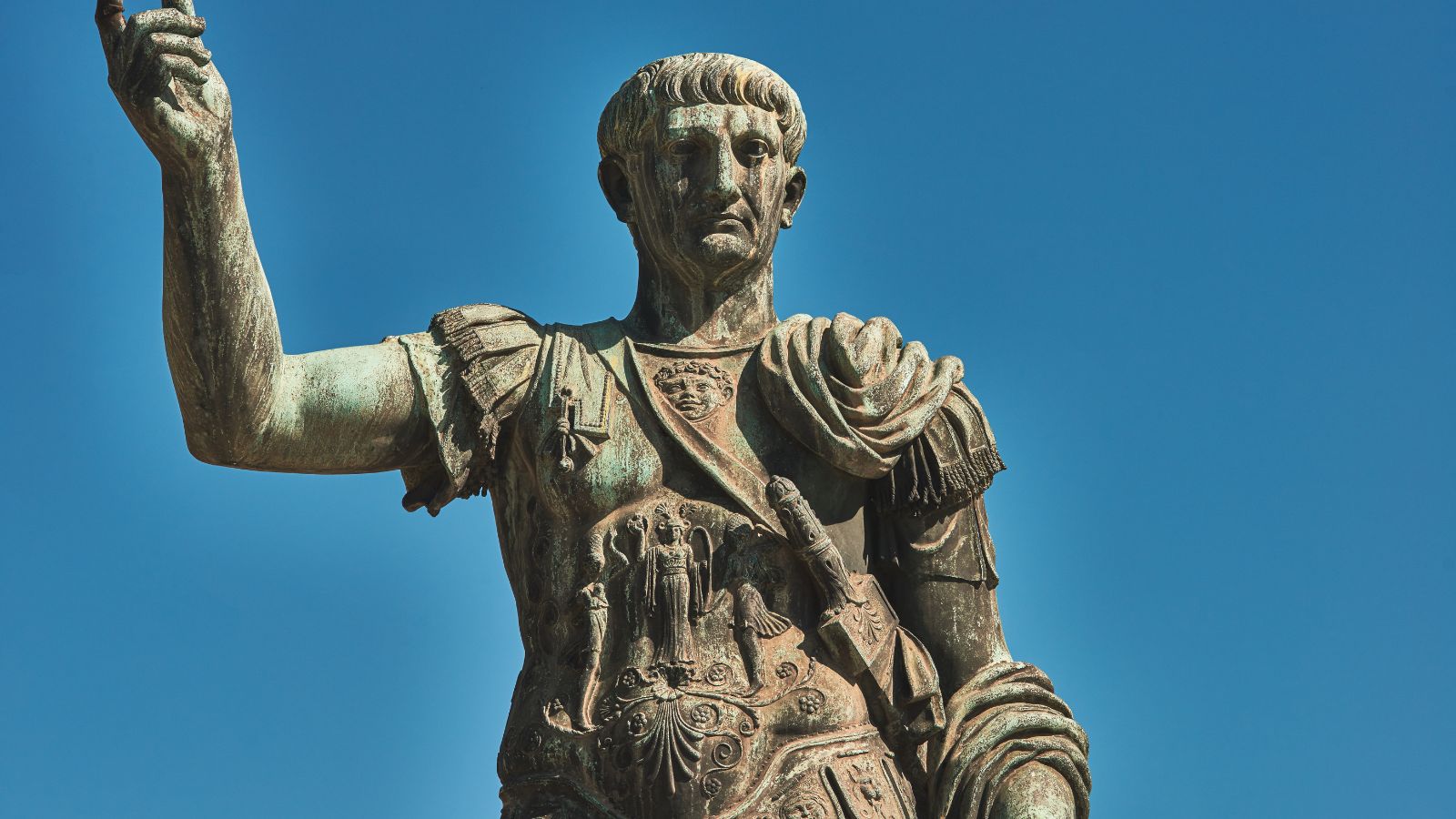
An emperor is the supreme male ruler of an empire, holding the highest rank of authority within a vast territory that may include multiple kingdoms, regions, or nations. Throughout history, emperors have played significant roles in shaping civilizations, leading military campaigns, establishing governments, and influencing culture, religion, and law.
What Is an Emperor?
An emperor is a monarch who rules over an empire, which is generally larger and more diverse than a kingdom. Unlike a king, whose authority is often limited to a single nation or kingdom, an emperor may govern multiple territories, peoples, and cultures under one central government.
The title of emperor traditionally symbolizes supreme authority and sovereignty, although the powers associated with the position have varied across different empires and historical periods.
Responsibilities of an Emperor
The duties of an emperor often include:
- Governing the empire and overseeing its administration.
- Enforcing laws and maintaining public order.
- Leading military forces during times of war.
- Managing diplomatic relations with other nations.
- Supporting economic development and public infrastructure.
- Promoting cultural, educational, or religious initiatives.
The extent of an emperor’s authority depends on the political system of the empire. Some emperors exercised absolute power, while others ruled within constitutional or ceremonial frameworks.
Historical Significance
Many of history’s most influential civilizations were led by emperors. Their decisions affected the expansion of territories, the development of trade, and the spread of languages, religions, and cultural traditions. Some emperors are remembered for successful reforms and peaceful governance, while others are known for military conquests or political change.
The institution of the emperor has existed in various parts of the world, with each empire developing its own traditions, succession rules, and governing structures.
Emperor vs. King
Although both emperors and kings are monarchs, there are important distinctions:
- An emperor typically rules an empire consisting of multiple territories or kingdoms.
- A king generally governs a single kingdom.
- The title of emperor is traditionally regarded as higher in rank than that of king.
- Emperors often oversee a larger and more diverse population.
These distinctions have varied across cultures and historical periods.
The Role of Emperors Today
In the modern era, most empires no longer exist, and the title of emperor is rare. Where it is still used, the role is often ceremonial or constitutional, with political authority exercised by elected governments. Even so, the title continues to carry historical and cultural significance.
Conclusion
An emperor is the supreme male ruler of an empire, traditionally holding the highest level of authority over extensive territories and diverse populations. Throughout history, emperors have shaped governments, societies, and cultures through their leadership and decisions. While the role has evolved over time, the title remains an enduring symbol of imperial leadership and historical importance.
