


Introduction
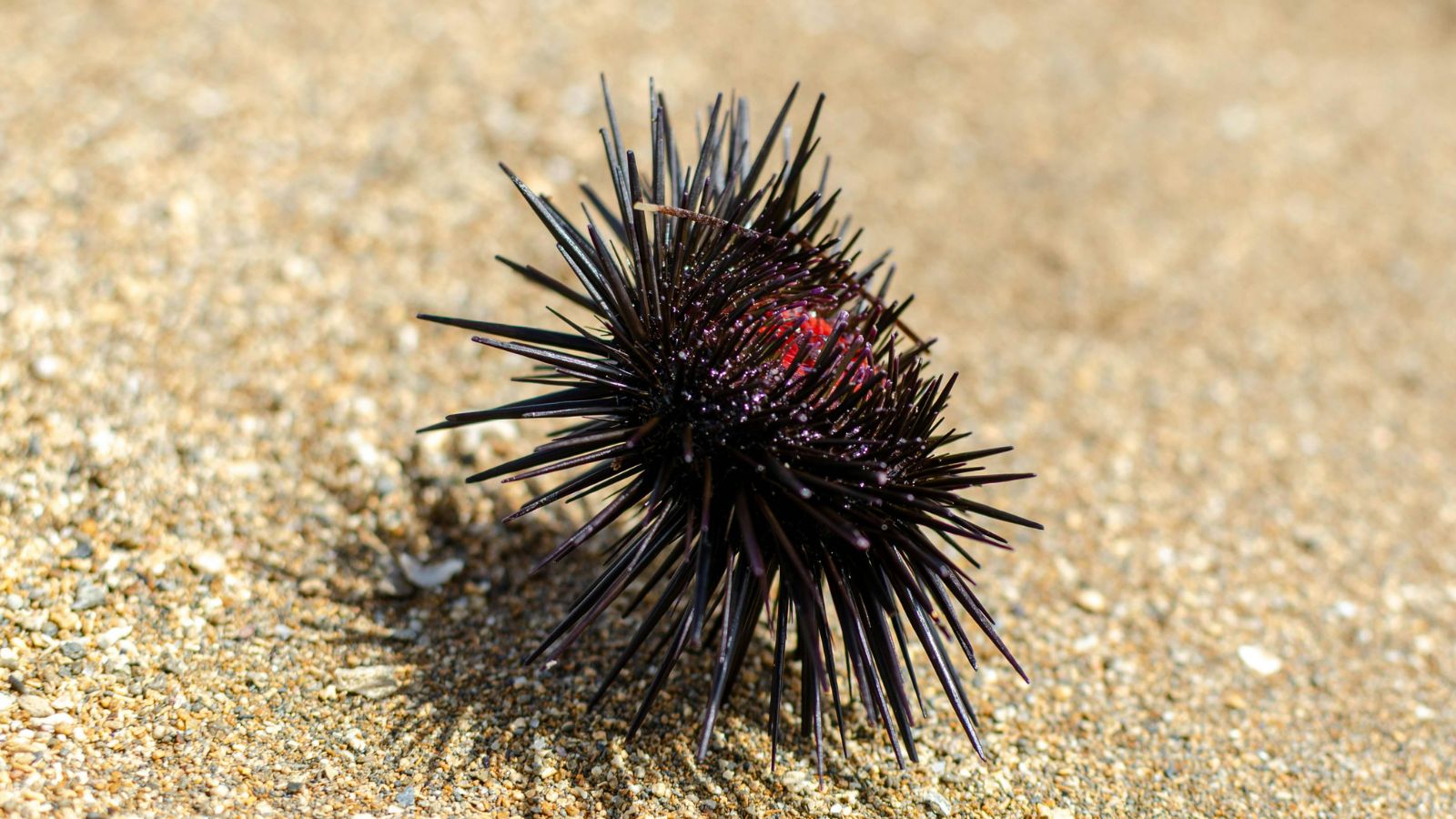
The term “Sea Porcupine” is a popular nickname for the sea urchin, a fascinating marine invertebrate known for its sharp protective spines and spherical body structure. These ocean creatures earned the nickname because their long spines resemble the quills of a land porcupine or the appearance of a hedgehog underwater.
Sea porcupines are found in oceans around the world, from shallow coastal waters to deep-sea environments. They play an important role in marine ecosystems by helping maintain algae balance and supporting ocean biodiversity. Despite their small size, sea urchins are scientifically important, ecologically valuable, and even considered a delicacy in some cultures.
This article explores everything about sea porcupines, including their anatomy, habitat, diet, reproduction, ecological importance, predators, behavior, and relationship with humans.
What Is a Sea Porcupine?
A sea porcupine is another name for a sea urchin, a marine animal belonging to the echinoderm family.
Sea urchins are closely related to:
- Starfish
- Sand dollars
- Sea cucumbers
They are known for their:
- Round body shape
- Hard external shell
- Sharp protective spines
- Slow movement across ocean floors
The spines protect them from predators and environmental threats.
Why Sea Urchins Are Called Sea Porcupines
The nickname “sea porcupine” comes from the creature’s appearance.
Sharp Protective Spines
Like porcupines on land, sea urchins are covered with long, pointed spines used for defense.
Round Body Structure
Their spherical shape resembles a small spiky ball.
Defensive Behavior
The spines discourage predators from attacking.
Because of these similarities, many people refer to sea urchins as underwater porcupines.
Physical Characteristics of Sea Porcupines
Sea porcupines have unique body structures that help them survive in marine environments.
Hard Outer Shell
Their body is protected by a rigid shell called a “test.”
Movable Spines
The spines can move in different directions for protection and movement.
Tube Feet
Tiny tube feet underneath the body help with movement and feeding.
Variety of Colors
Sea urchins may appear in:
- Purple
- Black
- Red
- Green
- White
Their appearance varies depending on species and habitat.
Habitat and Distribution of Sea Porcupines
Sea porcupines are found in oceans worldwide.
Coastal Areas
Many species live near rocky shorelines.
Coral Reefs
Sea urchins commonly inhabit reef ecosystems.
Deep Ocean Floors
Some species survive in deep-sea conditions.
Cold and Tropical Waters
Sea urchins adapt to various ocean temperatures.
Their adaptability helps them survive in diverse marine environments.
Types of Sea Urchins Around the World
There are hundreds of sea urchin species globally.
Purple Sea Urchin
Commonly found along Pacific coastlines.
Red Sea Urchin
Known for its larger size and commercial value.
Long-Spined Sea Urchin
Recognized for extremely long defensive spines.
Green Sea Urchin
Frequently found in colder Atlantic waters.
Different species vary in size, color, and spine length.
How Sea Porcupines Move
Although they appear stationary, sea urchins can move slowly across surfaces.
Tube Feet Movement
Tiny suction-based feet allow gradual movement.
Spine Assistance
Spines help stabilize and push the body.
Surface Navigation
Sea urchins crawl across rocks, coral, and seabeds searching for food.
Their movement is slow but effective for survival.
What Do Sea Porcupines Eat?
Sea porcupines are mostly herbivores.
Algae
Algae are their primary food source.
Seaweed
Many species graze on underwater plants.
Organic Debris
Some sea urchins consume decaying marine material.
Small Marine Organisms
Certain species may occasionally eat tiny organisms.
Their feeding behavior helps control algae growth in marine ecosystems.
Ecological Importance of Sea Urchins
Sea porcupines play a major role in maintaining ocean health.
Algae Control
They prevent excessive algae growth on reefs.
Ecosystem Balance
Their grazing supports biodiversity.
Food Chain Contribution
Sea urchins serve as food for many marine predators.
Coral Reef Health
Balanced sea urchin populations help coral ecosystems survive.
Without sea urchins, some marine habitats could become unstable.
Predators of Sea Porcupines
Despite their sharp spines, sea urchins have natural predators.
Sea Otters
Sea otters are famous for eating sea urchins.
Large Fish
Some fish species can break through their defenses.
Crabs and Lobsters
Strong claws help crack open shells.
Starfish
Certain starfish prey on sea urchins.
Predators help regulate sea urchin populations in nature.
Reproduction and Life Cycle of Sea Urchins
Sea porcupines reproduce through external fertilization.
Egg and Sperm Release
Males and females release reproductive cells into the water.
Larval Development
Fertilized eggs develop into free-swimming larvae.
Metamorphosis
Larvae eventually transform into juvenile sea urchins.
Slow Growth
Some species take years to fully mature.
Their reproduction depends heavily on ocean conditions and water quality.
Are Sea Porcupines Dangerous to Humans?
Sea urchins can cause injuries if touched carelessly.
Spine Injuries
Sharp spines may puncture skin.
Pain and Irritation
Some species cause swelling and discomfort.
Venomous Species
A few sea urchins contain mild toxins.
Safe Observation
People should avoid stepping on or handling them directly.
Most injuries occur accidentally while swimming or walking near reefs.
Sea Urchins in Human Food Culture
Sea urchins are considered a delicacy in some countries.
Sushi and Seafood Dishes
The edible part is called “uni.”
Japanese Cuisine
Uni is especially popular in Japan.
Nutritional Value
Sea urchins contain protein, vitamins, and minerals.
Commercial Fishing
Some species are harvested for seafood markets.
However, overharvesting may threaten marine ecosystems.
Environmental Threats Facing Sea Porcupines
Sea urchin populations face several environmental pressures.
Ocean Pollution
Pollution damages marine habitats.
Climate Change
Rising ocean temperatures affect reproduction and survival.
Overfishing of Predators
Reduced predator populations can disrupt ecological balance.
Habitat Destruction
Coral reef damage impacts sea urchin ecosystems.
Protecting marine environments is essential for their survival.
Interesting Facts About Sea Porcupines
Sea urchins have several fascinating features.
Ancient Marine Animals
Sea urchins have existed for millions of years.
Self-Defense Experts
Their spines provide strong protection.
Unique Symmetry
They display radial body symmetry.
Important Scientific Models
Scientists study sea urchins in developmental biology research.
Their simple but effective body systems make them scientifically valuable.
Role of Sea Urchins in Marine Research
Researchers study sea urchins for multiple scientific purposes.
Developmental Biology
Their embryos help scientists understand cell growth.
Marine Ecology
They provide insight into ecosystem balance.
Environmental Monitoring
Sea urchins can indicate ocean health conditions.
Evolutionary Studies
Scientists examine their ancient evolutionary history.
They remain important organisms in marine science.
Conservation Efforts for Sea Porcupines
Marine conservation organizations work to protect ocean biodiversity.
Protected Marine Areas
Some habitats receive legal protection.
Sustainable Fishing Practices
Regulations help prevent overharvesting.
Coral Reef Restoration
Healthy reefs support sea urchin populations.
Public Education
Awareness campaigns encourage ocean conservation.
Protecting sea urchins benefits entire marine ecosystems.
Conclusion
Sea porcupines, commonly known as sea urchins, are remarkable marine invertebrates that play a critical role in ocean ecosystems. Their spiny appearance, unique anatomy, and ecological importance make them one of the most recognizable creatures in marine environments.
