


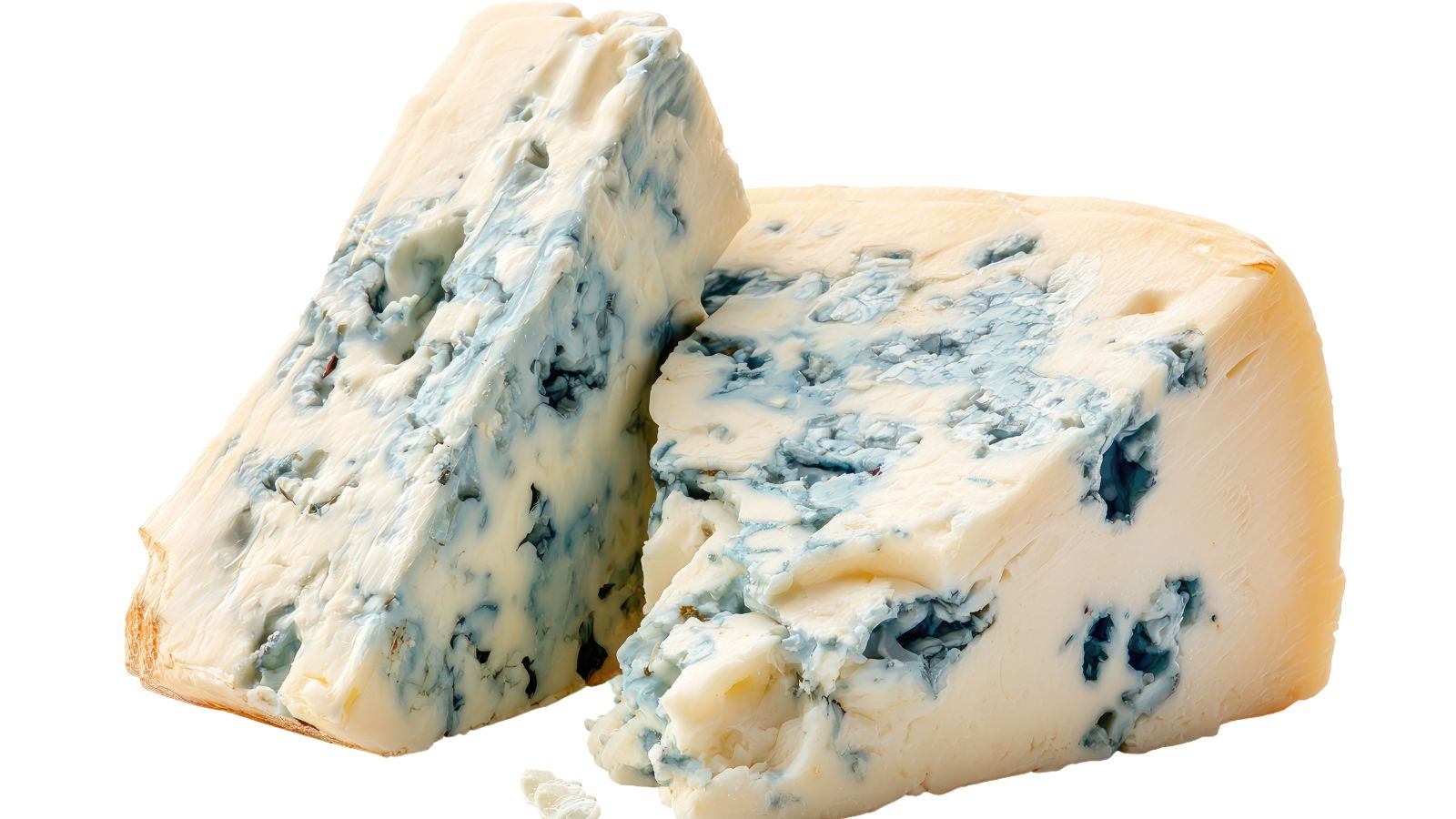
Masgonzola isn’t your average blue cheese—it’s a delightful culinary innovation that brings together two iconic Italian cheeses into one irresistible experience. By blending the bold, tangy character of Gorgonzola with the rich, velvety smoothness of Mascarpone, Masgonzola offers a balanced flavor profile that appeals to both adventurous cheese lovers and those who prefer milder tastes. This fusion cheese has quietly gained popularity among chefs, food enthusiasts, and home cooks for its versatility and unique taste.
The Origins of Masgonzola
Masgonzola is not a traditional cheese with centuries of history behind it; instead, it represents modern creativity in the culinary world. As global cuisine continues to evolve, chefs often experiment by combining classic ingredients to create something new. Masgonzola is a perfect example of this trend—taking the strong personality of Gorgonzola and mellowing it with the creamy sweetness of Mascarpone.
While it doesn’t have a formal origin story tied to a specific region, its roots are unmistakably Italian. Both parent cheeses—Gorgonzola and Mascarpone—are staples of Italian gastronomy, making Masgonzola a natural extension of Italy’s rich cheese-making heritage.
What Makes Masgonzola Unique?
The defining feature of Masgonzola is its balance. Blue cheeses like Gorgonzola are known for their sharp, tangy, and sometimes overpowering flavor. For some, this intensity can be overwhelming. Mascarpone, on the other hand, is mild, creamy, and slightly sweet, often used in desserts like tiramisu.
When these two are combined, something magical happens. The Mascarpone softens the pungency of the Gorgonzola, resulting in a cheese that is:
- Creamy and spreadable
- Mild yet flavorful
- Slightly tangy with a hint of sweetness
- Perfectly balanced for a wide range of palates
This harmony makes Masgonzola more approachable than traditional blue cheeses while still retaining enough character to be interesting.
Flavor Profile and Texture
Masgonzola delivers a multi-layered tasting experience. On the first bite, you’ll notice its creamy texture, thanks to the Mascarpone. This is followed by the subtle tanginess and earthy notes of Gorgonzola. Unlike stronger blue cheeses, the sharpness is toned down, making it smoother and less aggressive.
The texture is another standout feature. Masgonzola is typically soft and spreadable, almost like a whipped cheese. This makes it ideal for spreading on bread, crackers, or even incorporating into sauces.
Culinary Uses of Masgonzola
One of the biggest advantages of Masgonzola is its versatility in the kitchen. It can be used in both simple and sophisticated dishes, making it a favorite among chefs and home cooks alike.
1. As a Spread
Masgonzola works beautifully as a spread. Pair it with crusty bread, crackers, or even fresh vegetables for a quick and delicious appetizer. Add a drizzle of honey or a handful of nuts for extra flavor.
2. In Pasta Dishes
Its creamy consistency makes it perfect for pasta sauces. Melt Masgonzola into a warm pan with a splash of cream or milk, and you’ll have a rich, flavorful sauce that clings beautifully to pasta.
3. On Pizza
Masgonzola can elevate your pizza game. Its balanced flavor pairs well with ingredients like pears, walnuts, caramelized onions, and prosciutto.
4. In Salads
Crumble or dollop Masgonzola onto salads for a creamy, tangy twist. It pairs especially well with bitter greens like arugula and radicchio.
5. With Fruits and Desserts
Surprisingly, Masgonzola also works in sweet applications. Pair it with figs, grapes, or pears for a sophisticated dessert or cheese board addition.
Pairing Masgonzola with Beverages
To fully enjoy Masgonzola, pairing it with the right drink is essential. Its balanced flavor allows it to work well with a variety of beverages.
- Wine: Sweet wines like Moscato or dessert wines complement its creaminess, while light reds can balance its tangy notes.
- Tea: Herbal teas or mild black teas can enhance its subtle flavors.
- Juices: Fresh fruit juices like apple or grape provide a refreshing contrast.
Nutritional Aspects
Like most cheeses, Masgonzola is rich and indulgent, but it also provides essential nutrients. It contains calcium, protein, and fats that contribute to energy and bone health. However, due to its richness, it’s best enjoyed in moderation.
Because it combines two cheeses, its nutritional profile can vary slightly depending on the ratio used. Generally, it will have:
- Moderate to high fat content
- Good protein levels
- Calcium and vitamins from dairy
Why Masgonzola Appeals to Modern Tastes
Today’s food culture values both innovation and comfort. Masgonzola fits perfectly into this trend. It offers the excitement of something new while still being rooted in familiar flavors.
For those who find traditional blue cheese too strong, Masgonzola provides a gateway into that world. At the same time, experienced cheese lovers appreciate its nuanced flavor and creamy texture.
Its adaptability also makes it suitable for modern cooking styles, from quick snacks to gourmet meals.
Tips for Buying and Storing Masgonzola
When purchasing Masgonzola, look for a fresh, creamy consistency without any dryness or discoloration. Because it’s a blended cheese, quality can vary depending on the producer.
For storage:
- Keep it refrigerated at all times
- Store it in an airtight container to prevent it from absorbing other odors
- Consume it within a few days of opening for the best flavor
Before serving, let it sit at room temperature for a few minutes. This helps enhance its texture and brings out its full flavor.
Masgonzola in Food Culture
Masgonzola represents a broader movement in the culinary world—one that embraces fusion and creativity. It shows how traditional ingredients can be reimagined to suit evolving tastes.
Cheese boards, gourmet sandwiches, and modern Italian dishes increasingly feature Masgonzola as a highlight ingredient. Its ability to bridge the gap between bold and mild flavors makes it a standout choice.
Conclusion
Masgonzola is more than just a cheese—it’s an experience. By combining the bold heritage of Gorgonzola with the creamy elegance of Mascarpone, it offers the best of both worlds. Whether you’re spreading it on bread, melting it into pasta, or pairing it with fresh fruit, Masgonzola brings a unique and satisfying flavor to every dish.
