


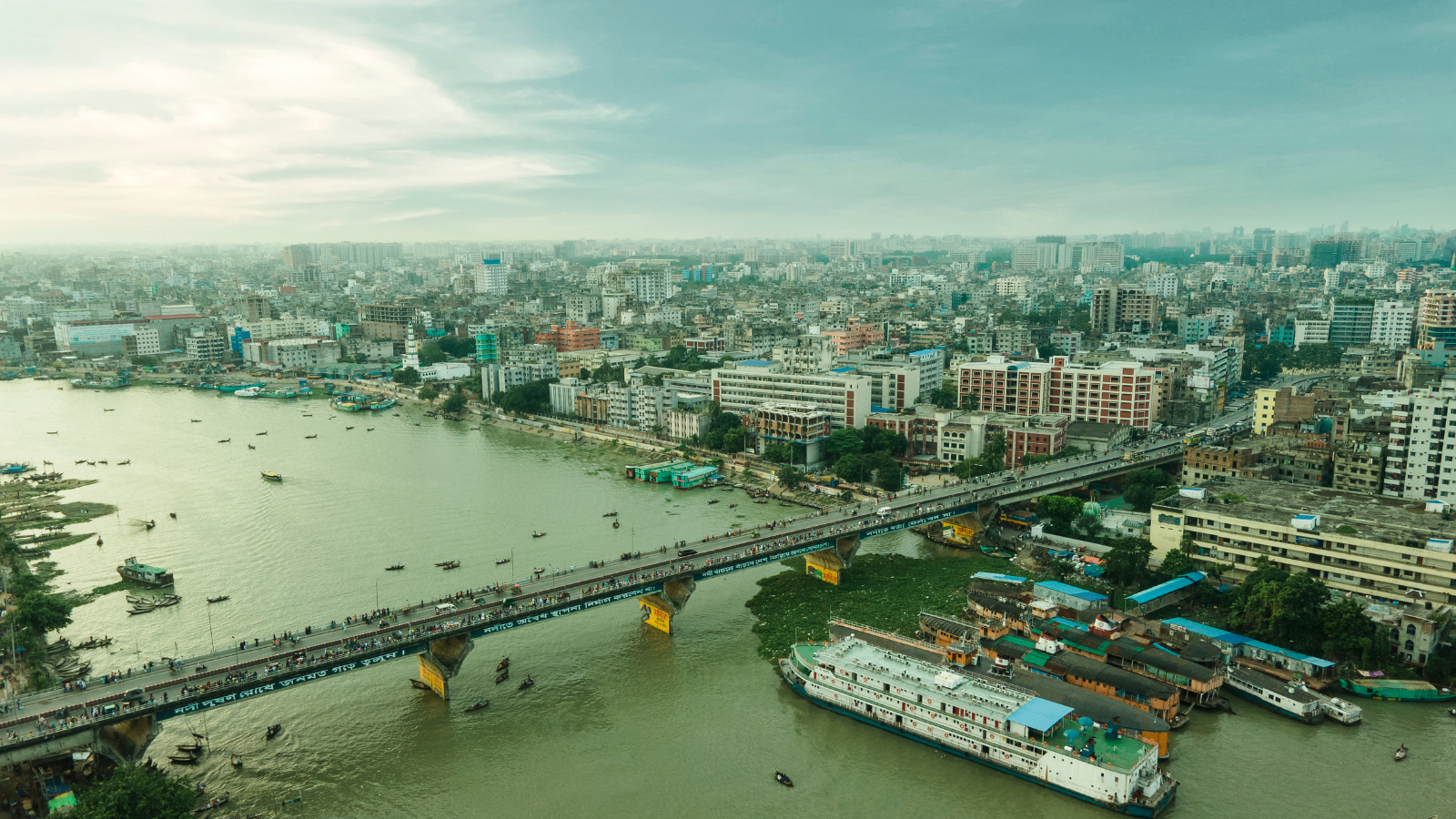
Dhaka Town, more commonly known as Dhaka, is the capital and largest city of Bangladesh. Situated on the banks of the Buriganga River, Dhaka is the country’s political, economic, cultural, and educational center. Home to more than 20 million people in its metropolitan area, it is one of the most densely populated cities in the world and one of South Asia’s fastest-growing urban centers.
What Is Dhaka Town?
Dhaka Town refers to the city of Dhaka, the capital of Bangladesh and the nation’s largest metropolitan area. The city serves as the administrative headquarters of the government while also acting as the country’s financial, educational, and commercial hub.
Often called the “City of Mosques” because of its large number of historic and modern mosques, Dhaka is also known for its energetic atmosphere, diverse population, and rapidly expanding skyline. Despite its modern development, the city continues to preserve centuries-old monuments and cultural traditions.
Today, Dhaka plays an important role in regional trade, diplomacy, and economic growth.
Where Is Dhaka Located?
Dhaka is located in central Bangladesh along the eastern bank of the Buriganga River. Its strategic location has made it an important center for trade and transportation for hundreds of years.
The city is well connected by:
- Hazrat Shahjalal International Airport
- National railway network
- Major highways
- River transport
- Metro Rail
- Public buses
- Ride-sharing services
Its central location allows easy access to other major cities and regions across Bangladesh.
The History of Dhaka
Dhaka has a long and fascinating history that dates back several centuries.
Although the area was inhabited long before, Dhaka rose to prominence during the Mughal Empire in the early 1600s when it became the provincial capital of Bengal. During this period, the city became internationally famous for producing fine muslin fabric, which was highly valued throughout Europe, the Middle East, and Asia.
Following the decline of the Mughal Empire, Dhaka came under British colonial rule as part of British India. After the partition of India in 1947, it became the capital of East Pakistan. In 1971, after the Bangladesh Liberation War, Dhaka officially became the capital of the independent nation of Bangladesh.
Today, the city’s historic forts, palaces, and museums preserve its remarkable past.
Why Is Dhaka the Capital of Bangladesh?
Dhaka became the capital because of its historical importance, central location, and political significance.
Today, the city houses many of Bangladesh’s key institutions, including:
- The National Parliament
- The Prime Minister’s Office
- The Supreme Court
- Government ministries
- Bangladesh Bank
- Foreign embassies
- National universities
Its role as the country’s political and economic center continues to drive Bangladesh’s development.
Climate and Weather in Dhaka
Dhaka experiences a tropical monsoon climate with three main seasons.
Summer
Summers are hot and humid, with temperatures often exceeding 35°C (95°F).
Monsoon
Heavy rainfall occurs between June and October, bringing lush greenery but also occasional flooding.
Winter
The coolest months are from November to February, when temperatures are pleasant, making it the best season for tourism.
Visitors generally prefer traveling during winter due to the comfortable weather.
Top Tourist Attractions in Dhaka
Dhaka offers numerous historical and cultural landmarks that attract visitors from around the world.
Lalbagh Fort
Built during the Mughal era, Lalbagh Fort is one of the city’s most famous historical attractions. Visitors can explore beautiful gardens, ancient buildings, and a museum that highlights Mughal history.
Ahsan Manzil
Known as the Pink Palace, Ahsan Manzil was once the residence of the Nawab of Dhaka. Today it serves as a museum displaying artifacts and exhibits related to Bangladesh’s history.
National Parliament House
Designed by world-renowned architect Louis Kahn, this impressive building is considered one of the finest examples of modern architecture.
Bangladesh National Museum
The museum features archaeological discoveries, historical artifacts, artwork, and exhibits representing Bangladesh’s rich cultural heritage.
Dhakeshwari National Temple
One of the country’s most important Hindu temples, Dhakeshwari Temple is both a religious site and a popular tourist destination.
Liberation War Museum
The museum documents Bangladesh’s struggle for independence through photographs, personal stories, historical documents, and exhibits.
Culture and Traditions
Dhaka is the cultural heart of Bangladesh.
Residents celebrate numerous festivals throughout the year, including:
- Pohela Boishakh (Bengali New Year)
- Eid-ul-Fitr
- Eid-ul-Adha
- Durga Puja
- Victory Day
- Independence Day
The city also hosts art exhibitions, literary festivals, theater performances, music concerts, and cultural fairs that showcase Bangladesh’s artistic heritage.
Traditional Bengali hospitality remains an important part of everyday life.
Food and Cuisine in Dhaka
Dhaka is famous for its delicious Bengali cuisine.
Popular local dishes include:
- Kacchi Biryani
- Beef Tehari
- Hilsa Fish Curry
- Bhuna Khichuri
- Haleem
- Fuchka
- Chotpoti
- Jhalmuri
- Pitha
- Mishti Doi (Sweet Yogurt)
Street food vendors can be found throughout the city, offering authentic flavors at affordable prices.
Shopping in Dhaka
Shopping is one of the highlights of visiting Dhaka.
Popular shopping destinations include:
- Bashundhara City Shopping Mall
- Jamuna Future Park
- New Market
- Banga Bazar
- Aarong
- Local handicraft markets
Visitors can purchase clothing, handmade crafts, jewelry, books, electronics, and traditional Bangladeshi products.
Transportation in Dhaka
Dhaka has a growing transportation network.
Common options include:
- Metro Rail
- Public buses
- Rickshaws
- Auto-rickshaws (CNG)
- Ride-sharing apps
- Taxis
- Private vehicles
Although traffic congestion remains a challenge, recent investments in transportation infrastructure have significantly improved connectivity.
Education and Economy
Dhaka is Bangladesh’s educational and economic powerhouse.
The city is home to leading universities, including:
- University of Dhaka
- Bangladesh University of Engineering and Technology (BUET)
- Jahangirnagar University (near Dhaka)
Its economy is driven by industries such as:
- Ready-made garments
- Banking
- Information technology
- Telecommunications
- Healthcare
- Education
- Construction
- Retail
The garment industry, in particular, makes Bangladesh one of the world’s largest clothing exporters.
Best Time to Visit Dhaka
The ideal time to visit Dhaka is from November to February.
During these months:
- Temperatures are cooler.
- Humidity is lower.
- Rainfall is minimal.
- Outdoor sightseeing is more comfortable.
Many cultural festivals also take place during this period, providing visitors with memorable experiences.
Travel Tips for First-Time Visitors
Before visiting Dhaka, consider these helpful tips:
- Carry local currency (Bangladeshi Taka).
- Dress modestly, especially at religious sites.
- Stay hydrated in warm weather.
- Allow extra travel time because of traffic.
- Use trusted ride-sharing services when possible.
- Try authentic local cuisine.
- Learn a few basic Bengali greetings.
- Respect local customs and traditions.
Planning ahead will make your visit more enjoyable.
Interesting Facts About Dhaka
Dhaka has many unique characteristics.
Some interesting facts include:
- It is one of the world’s most densely populated cities.
- The city was once famous for producing the finest muslin fabric.
- Rickshaws remain one of the most recognizable symbols of Dhaka.
- More than a thousand mosques are located throughout the city.
- Dhaka is one of South Asia’s fastest-growing economies.
These facts highlight the city’s historical importance and modern development.
Frequently Asked Questions About Dhaka Town
Is Dhaka Town the same as Dhaka?
Yes. Dhaka Town simply refers to Dhaka, the capital city of Bangladesh.
Why is Dhaka famous?
Dhaka is known for its rich history, Mughal architecture, garment industry, universities, vibrant markets, and cultural festivals.
What language is spoken in Dhaka?
The official language is Bengali (Bangla), although English is commonly used in business, education, and tourism.
Is Dhaka safe for tourists?
Like any major city, visitors should take normal travel precautions, remain aware of their surroundings, and use reputable transportation services.
What is the best season to visit?
The cooler months between November and February are generally considered the best time to visit.
Conclusion
Dhaka Town is a city where history and modern development exist side by side. From magnificent Mughal landmarks and lively street markets to contemporary business districts and educational institutions, the city reflects Bangladesh’s remarkable growth while preserving its rich cultural heritage.
