


Introduction
Matamoros is one of the most important cities in the Mexican state of Tamaulipas. Located along the Rio Grande, directly across from Brownsville, Texas, the city has long served as a gateway between Mexico and the United States. Its strategic location has made it a center for international trade, manufacturing, tourism, and cultural exchange.
Where Is Matamoros Located?
Matamoros is situated in the northeastern corner of Mexico in the state of Tamaulipas. The city lies on the southern bank of the Rio Grande, sharing an international border with Brownsville, Texas.
Several international bridges connect Matamoros with the United States, making it one of the busiest border crossings in North America. Its location has played a major role in shaping the city’s economy and cultural identity.
The city also provides convenient access to the Gulf of Mexico, making nearby beaches a popular destination for both locals and tourists.
History of Matamoros
Matamoros has a fascinating history that dates back to the early nineteenth century. It officially became a city in 1826 and was named in honor of Mariano Matamoros, a hero of the Mexican War of Independence.
During the nineteenth century, Matamoros became an important commercial center because of its strategic position on the border. It played significant roles during the Mexican-American War, the French Intervention in Mexico, and the American Civil War, when trade through the city expanded dramatically.
Today, Matamoros preserves much of its historical character while continuing to develop as a modern industrial city.
Economy and Major Industries
Matamoros is one of Mexico’s leading manufacturing centers. Its economy is supported by maquiladoras, which are export-oriented factories producing automotive parts, electronics, medical equipment, textiles, and industrial products.
The city’s proximity to the United States makes it highly attractive for international companies seeking efficient supply chains and cross-border logistics.
In addition to manufacturing, trade, transportation, retail, healthcare, education, and tourism contribute significantly to the local economy. These industries provide employment opportunities for thousands of residents.
Top Attractions in Matamoros
Visitors can explore a variety of cultural and historical attractions throughout the city.
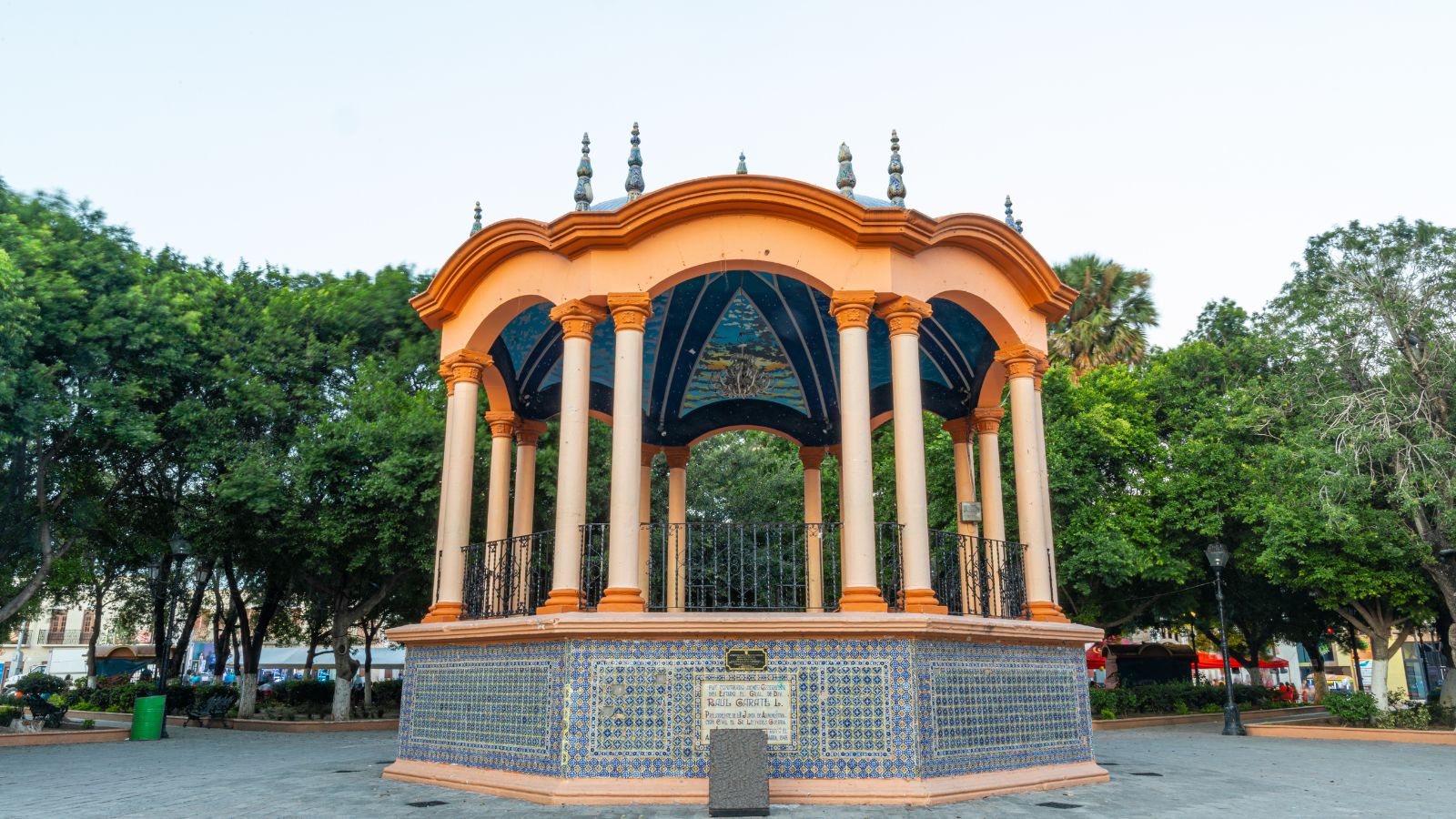
The historic downtown area features beautiful plazas, government buildings, and traditional architecture that reflect the city’s long history.
Cathedral Square is one of the most popular gathering places, surrounded by restaurants, cafés, and local shops. Museums throughout the city provide insight into the region’s history and cultural heritage.
Nature lovers can also visit nearby beaches on the Gulf of Mexico, where they can enjoy swimming, fishing, and outdoor recreation.
Culture and Local Traditions
Matamoros is known for its strong cultural traditions and welcoming community. Music, dance, religious celebrations, and family gatherings remain an important part of everyday life.
Traditional Mexican festivals are celebrated throughout the year with colorful parades, live performances, and local food.
Spanish is the primary language spoken in the city, although English is commonly understood in many businesses because of the close relationship with neighboring Texas communities.
Traditional Food to Try
The cuisine of Matamoros reflects the rich culinary traditions of northern Mexico.
Visitors should try authentic tacos, tamales, enchiladas, grilled beef, seafood dishes, burritos, quesadillas, and freshly prepared tortillas.
Street vendors serve local favorites including elotes, churros, fresh fruit, and refreshing beverages. Many restaurants combine traditional Mexican recipes with modern cooking styles, creating a diverse dining experience.
Transportation and Border Access
Matamoros has an international airport that connects travelers to several Mexican cities. The city is also accessible by highways and long-distance bus services.
International bridges provide convenient access to Brownsville, Texas, making cross-border travel relatively straightforward for visitors carrying the required travel documents.
Public transportation, taxis, and ride-sharing services are available throughout the city for local travel.
Safety and Travel Tips
Before visiting Matamoros, travelers should review the latest official travel advisories, as security conditions can change over time.
Staying in well-populated areas, using reputable transportation services, avoiding unnecessary travel at night, and remaining aware of your surroundings are sensible precautions. Business districts and tourist areas generally offer better infrastructure and services for visitors.
Respecting local customs and following local guidance can contribute to a more enjoyable travel experience.
Best Time to Visit Matamoros
Spring and autumn are generally considered the best seasons to visit Matamoros because temperatures are comfortable for sightseeing and outdoor activities.
Summer can be very hot and humid, while winters are usually mild. Travelers interested in festivals should check the local events calendar before planning their trip.
Conclusion
Matamoros is much more than a border city. It is an important center for commerce, manufacturing, history, and culture in northeastern Mexico. Its strategic location has helped shape its economy while preserving a unique blend of Mexican traditions and international influence.
Whether you are visiting for business, exploring the city’s historical landmarks, enjoying authentic local cuisine, or learning about its role in cross-border trade, Matamoros offers an engaging experience that reflects the diversity and resilience of northern Mexico.
Frequently Asked Questions
What is Matamoros famous for?
Matamoros is known for its strategic border location, manufacturing industry, international trade, historical significance, and vibrant Mexican culture.
Is Matamoros worth visiting?
Yes. Visitors interested in history, culture, business, and authentic northern Mexican cuisine will find plenty to explore while staying informed about current travel conditions.
What language is spoken in Matamoros?
Spanish is the official language, while English is also commonly spoken in hotels, businesses, and border-related services.
How do you get to Matamoros?
Travelers can reach Matamoros by air, highway, long-distance bus, or by crossing one of the international bridges from Brownsville, Texas.
What is the best time to visit Matamoros?
Spring and autumn usually offer the most comfortable weather for sightseeing, outdoor activities, and exploring the city’s attractions.
