


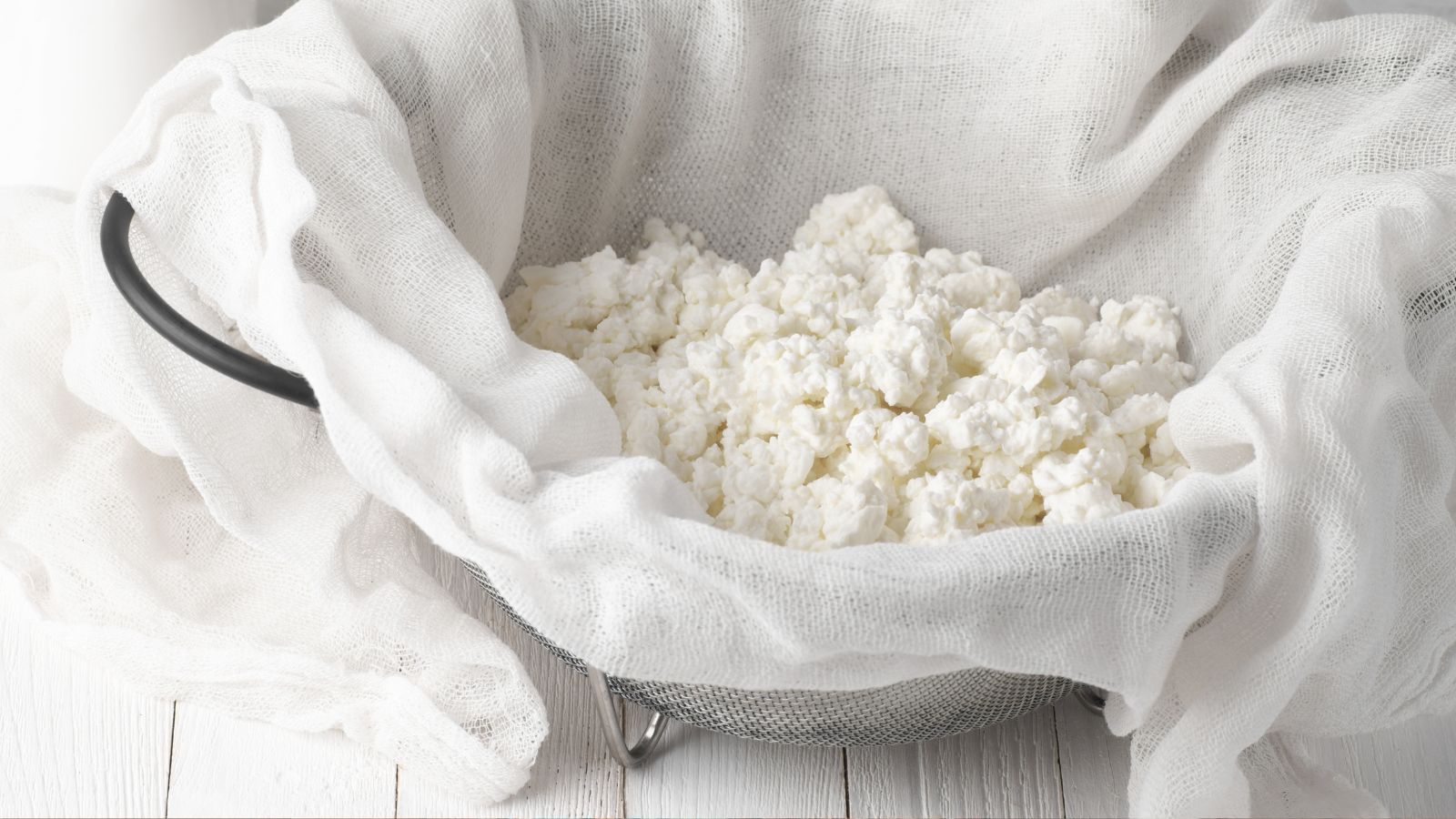
In the world of cooking tools and kitchen essentials, some items stand out for their versatility rather than their appearance. One such item is Cheesecloth, a simple yet incredibly useful fabric that has been a staple in kitchens for generations. Defined as a lightweight, loosely woven cotton gauze, cheesecloth was originally designed to separate cheese curds from whey during the cheesemaking process. Over time, however, it has evolved into a multi-purpose tool used in a wide range of culinary and even household applications.
Despite its humble look, cheesecloth plays a significant role in both traditional and modern cooking. Its breathable structure, flexibility, and natural material make it indispensable for tasks that require precision and care.
The Origins of Cheesecloth
Cheesecloth gets its name from its original purpose—cheesemaking. In early dairy practices, separating curds from whey was a crucial step, and a fabric was needed that could strain liquid while holding solids. The loosely woven cotton gauze proved perfect for this task.
Historically, cheesecloth was produced in varying grades, each defined by the tightness of its weave. Finer weaves were used for delicate straining, while coarser versions allowed for faster drainage. This grading system still exists today, making it easy for cooks to choose the right type depending on their needs.
Although modern cheesemaking often uses specialized equipment, cheesecloth remains widely used, especially in home kitchens and artisanal food production.
Structure and Characteristics
The defining feature of cheesecloth is its open weave. Unlike tightly woven fabrics, cheesecloth allows liquids to pass through easily while trapping solids. This makes it ideal for straining, filtering, and wrapping.
Typically made from 100% cotton, cheesecloth is soft, breathable, and reusable when properly cleaned. It can be folded into multiple layers to increase its filtering strength, offering flexibility depending on the task.
Another advantage is its adaptability. Cheesecloth can be cut to size, shaped, or tied without losing its effectiveness. This makes it suitable for a wide range of uses beyond its original purpose.
Culinary Uses of Cheesecloth
Cheesecloth has become a go-to tool in cooking, thanks to its versatility and ease of use. One of its most common applications is straining liquids. Whether making clear broths, stocks, or sauces, cheesecloth helps remove impurities, resulting in a smoother and more refined texture.
It is also widely used in dairy preparation. Homemade yogurt, paneer, and soft cheeses often require straining to achieve the desired consistency. Cheesecloth allows excess liquid to drain while preserving the creamy solids.
Another popular use is in making nut milks, such as almond or cashew milk. After blending nuts with water, the mixture is poured through cheesecloth to separate the liquid from the pulp, producing a smooth, dairy-free beverage.
Cheesecloth is also ideal for bundling herbs and spices. In cooking, this technique is known as a bouquet garni. By tying herbs in cheesecloth, cooks can infuse flavors into soups and stews without leaving loose particles behind.
Additionally, cheesecloth can be used to clarify butter, creating ghee, or to strain fruit juices for jellies and syrups. Its ability to handle both hot and cold preparations makes it a truly versatile kitchen companion.
Uses Beyond the Kitchen
While cheesecloth is best known for its culinary applications, its usefulness extends far beyond cooking. In households, it can be used for cleaning, polishing, and even crafting.
For example, cheesecloth is often used for dusting and cleaning surfaces because its soft texture does not scratch delicate materials. It is also popular in woodworking for applying stains and finishes evenly.
In arts and crafts, cheesecloth can be used to create textures, decorations, or even costumes. Its lightweight and flexible nature make it easy to manipulate for creative projects.
Some people also use cheesecloth in gardening, such as protecting plants from pests or filtering liquids for natural fertilizers.
Choosing the Right Cheesecloth
Not all cheesecloth is the same. As mentioned earlier, it comes in different grades, which determine how fine or coarse the weave is. Lower-grade cheesecloth has a looser weave and is suitable for basic straining tasks, while higher-grade versions provide finer filtration.
When selecting cheesecloth, it is important to consider the intended use. For delicate tasks like clarifying liquids, a finer weave is recommended. For general purposes, a medium-grade cheesecloth is usually sufficient.
Reusable cheesecloth is a popular choice for those who want a more sustainable option. It can be washed and reused multiple times, making it both economical and environmentally friendly.
Care and Maintenance
Proper care is essential to extend the life of cheesecloth. After use, it should be rinsed thoroughly to remove food particles. Washing with mild detergent helps eliminate odors and stains.
It is important to dry cheesecloth completely before storing it, as moisture can lead to mold or unpleasant smells. Some people prefer to boil their cheesecloth occasionally to ensure it remains clean and hygienic.
Over time, cheesecloth may wear out or become stained. When this happens, it is best to replace it to maintain optimal performance.
Advantages and Limitations
Cheesecloth offers several advantages. It is inexpensive, widely available, and highly versatile. Its natural cotton composition makes it safe for food use, and its flexibility allows it to adapt to various tasks.
However, it does have some limitations. Because of its loose weave, it may not be suitable for extremely fine filtration unless folded into multiple layers. Additionally, it can tear if handled roughly, especially when wet.
Despite these minor drawbacks, cheesecloth remains one of the most practical tools in any kitchen.
The Modern Relevance of Cheesecloth
In an era of advanced kitchen gadgets and specialized tools, cheesecloth continues to hold its place. Its simplicity is part of its appeal. While modern strainers and filters may offer convenience, they often lack the adaptability and affordability of cheesecloth.
The growing interest in homemade foods, natural ingredients, and traditional cooking methods has further increased the popularity of cheesecloth. From artisanal cheese production to plant-based milk preparation, it plays a vital role in contemporary culinary practices.
Conclusion
Cheesecloth may appear to be a simple piece of fabric, but its impact in the kitchen and beyond is significant. Originally created to separate cheese curds from whey, it has evolved into a versatile tool used for straining, filtering, bundling, and more.

3 Comments
32iwq6
1gokv3
392e8p