


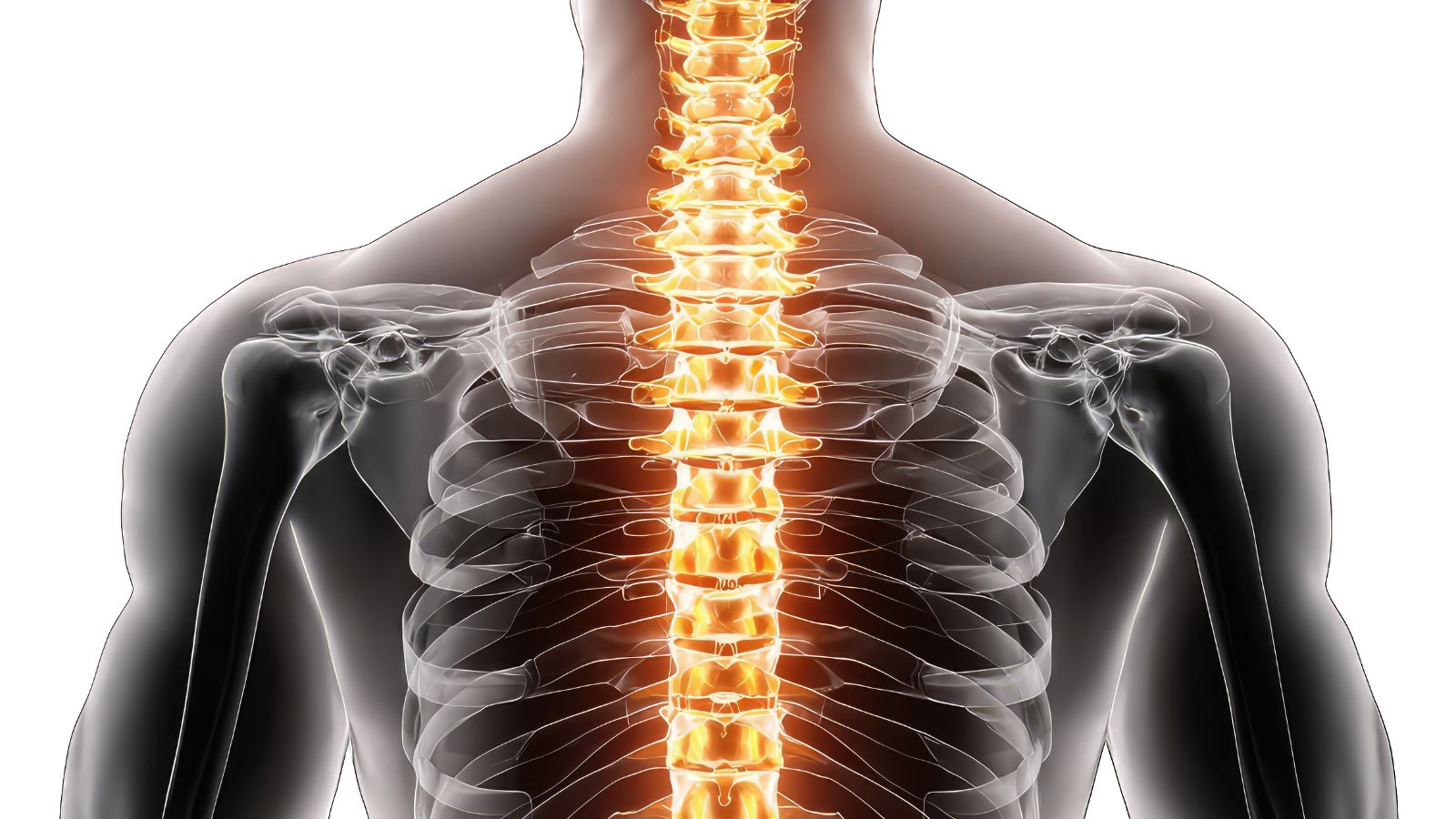
The term posterior is commonly used in anatomy, biology, and medicine to describe the position of a structure that is located behind or toward the rear of the body or another object. Anatomical directional terms like posterior help healthcare professionals communicate accurately about the location of organs, bones, muscles, and injuries. Whether you are a student, healthcare worker, or simply curious about human anatomy, understanding the meaning of posterior is essential for interpreting medical information and learning how the body is organized.
What Does Posterior Mean?
Posterior means situated behind or toward the back of an object or body. In human anatomy, it refers to structures located on or near the back side when the body is in the standard anatomical position.
For example:
- The spine is located on the posterior side of the body.
- The shoulder blades are posterior to the rib cage.
- The calf muscles are found on the posterior part of the lower leg.
The opposite of posterior is anterior, which refers to structures located toward the front of the body.
Posterior in Human Anatomy Explained
In anatomy, the human body is described using standardized directional terms. These terms allow doctors, nurses, and researchers to describe body parts without confusion.
When a person stands in the anatomical position—upright with arms at the sides and palms facing forward—the posterior side includes:
- The back of the head
- The neck
- The spine
- The shoulder blades
- The buttocks
- The back of the legs
- The heels
Using these terms ensures that medical professionals worldwide describe body locations consistently.
Why Anatomical Directional Terms Matter
Directional terms are essential because they provide precise descriptions of body structures regardless of a person’s position.
Some commonly used anatomical terms include:
- Anterior: Toward the front.
- Posterior: Toward the back.
- Superior: Above another structure.
- Inferior: Below another structure.
- Medial: Toward the body’s midline.
- Lateral: Away from the midline.
- Proximal: Closer to the point of attachment.
- Distal: Farther from the point of attachment.
These terms are widely used in anatomy textbooks, medical imaging, surgery, and clinical practice.
Posterior vs. Anterior: What’s the Difference?
Posterior and anterior are opposite directional terms.
Posterior refers to the back or rear of the body.
Anterior refers to the front of the body.
Examples include:
- The vertebral column is posterior to the heart.
- The sternum is anterior to the heart.
- The hamstrings are posterior to the quadriceps.
- The shoulder blades are posterior to the chest.
Understanding these differences helps students correctly identify anatomical structures and interpret medical diagrams.
Posterior vs. Dorsal: Are They the Same?
Posterior and dorsal are closely related but are not always interchangeable.
In human anatomy, posterior generally means the back side of the body, while dorsal also refers to the back but is more commonly used in embryology, comparative anatomy, and studies involving animals.
For humans standing upright, the terms often describe similar locations. However, in four-legged animals, dorsal refers to the upper surface, while posterior refers specifically to the rear end of the body.
Common Body Structures Located Posteriorly
Many important body structures are found on the posterior side.
Examples include:
- Vertebral column
- Spinal cord
- Scapulae (shoulder blades)
- Trapezius muscle
- Latissimus dorsi muscle
- Gluteal muscles
- Hamstrings
- Calf muscles
- Achilles tendon
These structures support movement, posture, and protection of vital organs.
Posterior Muscles and Their Functions
The posterior muscles play a critical role in maintaining posture and enabling movement.
Major posterior muscles include:
- Trapezius: Supports neck and shoulder movement.
- Latissimus dorsi: Assists with pulling and lifting movements.
- Erector spinae: Maintains spinal posture.
- Gluteus maximus: Powers hip extension and walking.
- Hamstrings: Bend the knee and extend the hip.
- Gastrocnemius: Enables walking, running, and jumping.
Together, these muscles form much of the body’s posterior chain, which is essential for athletic performance and everyday activities.
Posterior Bones and Skeletal Landmarks
Several important bones are located posteriorly.
These include:
- Skull (occipital bone)
- Vertebral column
- Sacrum
- Coccyx
- Scapulae
- Posterior ribs
These skeletal structures protect the spinal cord, provide support, and serve as attachment points for muscles and ligaments.
Posterior Medical Conditions and Injuries
The term posterior frequently appears in medical diagnoses and imaging reports.
Examples include:
- Posterior shoulder dislocation
- Posterior cruciate ligament (PCL) injury
- Posterior tibial tendon dysfunction
- Posterior disc herniation
- Posterior pelvic tilt
Doctors use the term to accurately describe the location of an injury or disease, helping guide diagnosis and treatment.
Posterior Terminology in Biology and Veterinary Science
Posterior is also used outside human anatomy.
In biology, it describes the rear portion of an organism during development or adulthood.
In veterinary medicine, posterior helps identify body regions in animals, although terms such as dorsal and caudal may also be used depending on the species.
These directional terms ensure clear communication across biological sciences.
How Healthcare Professionals Use the Term Posterior
Healthcare professionals rely on anatomical terminology every day.
Doctors use posterior to describe symptoms, injuries, and surgical locations.
Radiologists identify posterior structures on X-rays, CT scans, and MRI images.
Physical therapists assess posterior muscle strength when developing rehabilitation programs.
Surgeons use posterior approaches during procedures involving the spine, hip, or shoulder.
Consistent terminology improves patient safety and reduces misunderstandings.
Examples of Posterior in Everyday Language
Although most common in medicine, posterior also appears in everyday language.
Examples include:
- The posterior entrance of a building refers to the rear entrance.
- The posterior section of a vehicle refers to its back portion.
- Maps and diagrams may describe posterior surfaces of objects.
In general English, posterior simply means “toward the back” or “behind.”
Common Mistakes When Using Posterior
Many beginners confuse posterior with other directional terms.
Common mistakes include:
- Using posterior instead of anterior.
- Assuming posterior always means “lower.”
- Confusing posterior with dorsal in every situation.
- Forgetting that anatomical terms are based on the standard anatomical position.
Learning these distinctions makes studying anatomy much easier.
Key Takeaways About the Posterior Position
The posterior side of the body includes many vital muscles, bones, and organs that support movement, balance, and protection. Anatomical directional terms such as posterior and anterior provide a universal language that healthcare professionals use to communicate accurately. Whether interpreting medical reports, studying biology, or learning human anatomy, understanding posterior is an essential foundation.
Conclusion
Posterior is a fundamental anatomical term that describes structures located behind or toward the rear of the body. It is widely used in medicine, biology, and healthcare to identify the precise location of body parts, injuries, and organs. From the spine and shoulder blades to the gluteal muscles and hamstrings, many important structures lie on the posterior side of the body. By understanding how posterior relates to other directional terms such as anterior, superior, and dorsal, students and professionals can better interpret anatomical diagrams, medical reports, and scientific literature. Mastering this terminology is an important step toward building a strong understanding of human anatomy and improving communication in healthcare and biological sciences.
