


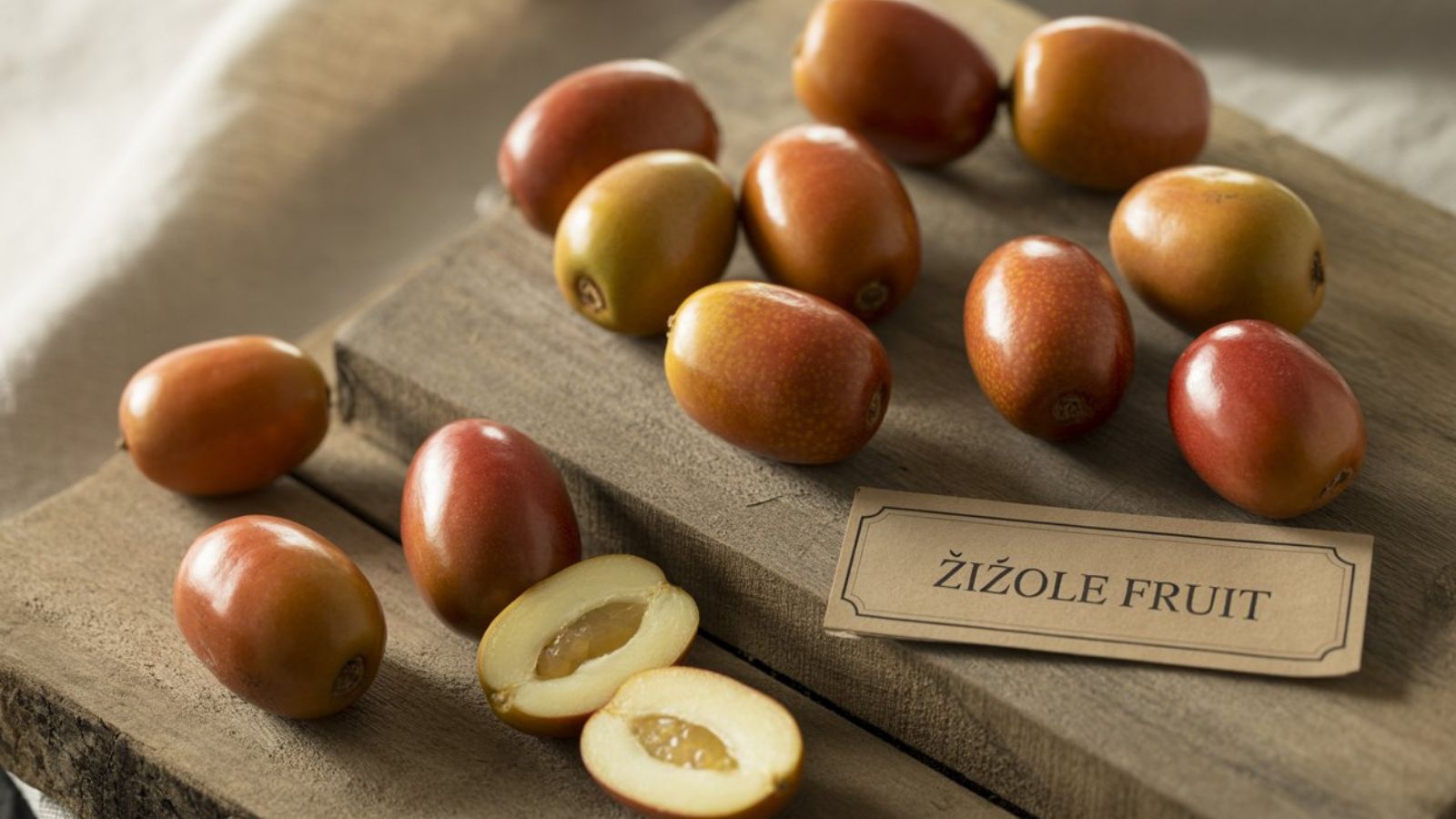
Žižole, commonly known as jujube, is a small fruit that has gained popularity around the world due to its sweet taste and impressive health benefits. It grows on a tree scientifically known as Ziziphus jujuba and is often referred to as the red date, Chinese date, or simply jujube fruit. Although it may not be as commonly known as apples or bananas, žižole has been an important part of traditional diets and natural medicine for thousands of years.
This fruit is valued not only for its flavor but also for its versatility. It can be eaten fresh, dried, or even brewed into teas. With its increasing recognition in modern health and wellness communities, žižole is now being appreciated globally.
Origin and History of Žižole
Žižole has a long and fascinating history that dates back more than 4,000 years. It was first cultivated in China, where it became a staple in both traditional medicine and daily nutrition. Ancient Chinese texts often mention this fruit for its healing properties and its ability to promote longevity.
Over time, the cultivation of žižole spread beyond China to other parts of Asia, including Korea and India. It eventually reached the Middle East and Europe through trade routes such as the Silk Road. Today, žižole trees are grown in many warm and dry regions around the world, including parts of the Mediterranean and even the United States.
What Does Žižole Taste Like?
One of the most interesting aspects of žižole is how its taste changes as it ripens. When the fruit is still green and unripe, it has a crisp texture and a mildly sweet flavor that is often compared to an apple. This stage makes it refreshing and perfect for eating raw.
As the fruit ripens, it turns reddish-brown and its texture becomes softer and chewier. At this stage, its taste becomes much sweeter and is often compared to dates. This dual flavor profile makes žižole a versatile fruit that can be enjoyed in different ways depending on personal preference.
Nutritional Value of Žižole
Žižole is considered a nutrient-dense fruit, meaning it provides a good amount of essential nutrients while being relatively low in calories. It is particularly rich in vitamin C, which plays a key role in boosting the immune system and maintaining healthy skin.
In addition to vitamin C, žižole contains antioxidants that help protect the body from damage caused by free radicals. It also provides dietary fiber, which supports digestion and helps maintain gut health. Other nutrients found in žižole include potassium, which is important for heart health, and small amounts of vitamins and minerals that contribute to overall well-being.
Health Benefits of Žižole
Žižole offers a wide range of health benefits that make it a valuable addition to a healthy diet. One of its most well-known benefits is its ability to strengthen the immune system. The high vitamin C content helps the body fight infections and recover more quickly from illnesses.
Another important benefit is its calming effect on the mind. Žižole has been used in traditional medicine to reduce stress and anxiety. It is often consumed in the form of tea or herbal remedies to promote relaxation and improve sleep quality.
The fiber content in žižole also supports digestive health. It helps regulate bowel movements and can prevent common issues such as constipation. Additionally, the antioxidants present in the fruit play a role in reducing inflammation and protecting cells from damage, which may lower the risk of chronic diseases.
How to Eat Žižole
Žižole can be enjoyed in many different ways, making it easy to include in a daily diet. Fresh žižole can be eaten as a simple snack, offering a crisp and refreshing taste. Dried žižole, on the other hand, is sweeter and chewier, making it similar to dried dates and perfect for desserts or energy snacks.
It can also be used to make herbal teas by boiling the dried fruit in water. This tea is often consumed for its soothing and relaxing effects. In cooking, žižole can be added to soups, stews, and rice dishes to enhance flavor and nutrition. It is also used in baking and confectionery in some cultures.
Žižole in Traditional Medicine
Žižole holds an important place in traditional Chinese medicine, where it is believed to have numerous healing properties. It is commonly used to balance the body’s energy, improve sleep, and reduce stress levels. Many herbal formulas include žižole as a key ingredient due to its gentle and nourishing effects.
In addition to its calming properties, žižole is also used to support liver function and improve blood circulation. It is often recommended for people who feel fatigued or weak, as it is believed to help restore energy and vitality naturally.
Growing Žižole Trees
Žižole trees are known for their resilience and ability to thrive in different environmental conditions. They can grow in both hot and dry climates, making them suitable for regions where other fruit trees may struggle. These trees require plenty of sunlight and well-drained soil to grow effectively.
Once established, žižole trees require minimal maintenance and can tolerate drought conditions. They are also resistant to many pests and diseases, which makes them a practical choice for farmers and gardeners. The trees can live for many years and continue to produce fruit throughout their lifespan.
Are There Any Side Effects?
Žižole is generally safe for most people when consumed in moderate amounts. However, like any food, excessive consumption may lead to minor digestive issues such as bloating or discomfort. It is always best to consume it as part of a balanced diet.
People who are taking certain medications or have specific health conditions should consult a healthcare professional before adding large amounts of žižole to their diet. This is especially important because natural remedies can sometimes interact with medications.
Conclusion
Žižole is a remarkable fruit with a rich history, unique taste, and numerous health benefits. From its origins in ancient China to its growing popularity around the world, it continues to be valued for both its nutritional content and its role in traditional medicine.
